


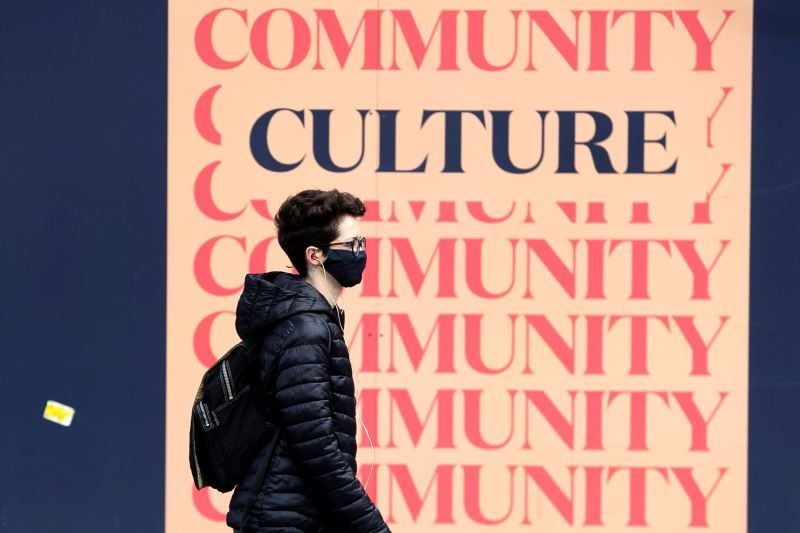
Five Years On: Ireland Reflects on the Lasting Social Impact of COVID-19
Five years after the initial wave of COVID-19 restrictions swept across Ireland, the Central Statistics Office (CSO) has released a comprehensive report, “COVID-19 – Our Lives Five Years On: Social Impact,” offering a detailed look at the pandemic’s enduring effects on the nation’s social fabric. This report, the third in a series examining the pandemic’s consequences, draws data from the CSO’s Pulse Survey conducted between January 16 and February 2, 2025. While the survey acknowledges limitations in representativeness due to its online-only format, the findings paint a compelling picture of the altered landscape of Irish social life. The report delves into how relationships, social behaviors, interactions, working habits, and consumption patterns have evolved since the onset of the pandemic.
One of the most striking revelations is the predominantly positive impact of the pandemic on family relationships. While 17% of respondents reported a negative impact on their relationship with their partner/spouse, a significantly larger proportion, 27%, reported a positive shift. This positive trend was particularly pronounced among those who transitioned to remote work, with 41% of those now working from home at least half the time reporting improved relationships with their partners/spouses, compared to 23% of those who don’t work from home. Similarly, remote work appears to have strengthened parent-child bonds, with 50% of remote workers reporting positive impacts compared to 35% of non-remote workers. However, the report also highlights the significant influence of financial stability during the pandemic, with those experiencing financial hardship in 2020 more likely to report negative relationship outcomes.
The pandemic has also indelibly altered social behaviors, particularly regarding hygiene and interaction. A majority of respondents (56%) reported increased handwashing frequency, with women noticeably more likely to adopt this practice than men. Health status also played a significant role, with those reporting poorer health exhibiting greater avoidance of handshaking and social gatherings. A considerable number (59%) now consciously avoid others when feeling unwell, a trend more pronounced among women and remote workers. While social distancing measures like maintaining a one-meter distance have largely been abandoned, the heightened awareness of hygiene and illness prevention remains prevalent.
The report also examines the impact on religious practices and structured social activities. While over half of those who regularly attended religious ceremonies pre-pandemic continue to do so in person, a significant shift towards online attendance or complete cessation is evident, particularly among younger demographics. Similarly, participation in structured social activities among young adults has seen a slight decline, potentially reflecting lingering pandemic-related anxieties or altered social preferences.
The rise of remote work has dramatically reshaped the professional landscape. A clear majority (55%) of employees newly working remotely reported improved work-life balance, a sentiment stronger among those working remotely for at least half their working week. Job satisfaction also saw an uptick, especially among younger respondents. While the impact on relationships with colleagues was mixed, with some reporting positive effects and others negative, the overall trend suggests that remote work has become a desirable and impactful aspect of working life for many.
The pandemic’s influence extends to consumption habits, with varying effects across different areas. While a significant portion of younger adults reported increased alcohol consumption, a larger proportion reported a decrease. Consumption of junk food and sweets also saw an increase, particularly pronounced among younger respondents and women. On a more positive note, exercise frequency increased across the board, especially amongst those working from home and those with better financial situations. Social media usage also saw a significant rise, especially among younger demographics, raising concerns about its potential impact on mental health, with younger respondents more likely to report negative mental health effects from increased social media use.
Finally, the "pandemic pet" phenomenon is analyzed, revealing a surge in pet ownership, particularly among younger people, with dogs being the most popular choice. While the majority of new pet owners remain content with their decision, a small percentage expressed regret, highlighting the importance of careful consideration when bringing a pet into one’s life. This detailed examination of the social changes wrought by the pandemic provides invaluable insight into how Ireland has adapted and continues to navigate the long-term consequences of this unprecedented global event.