


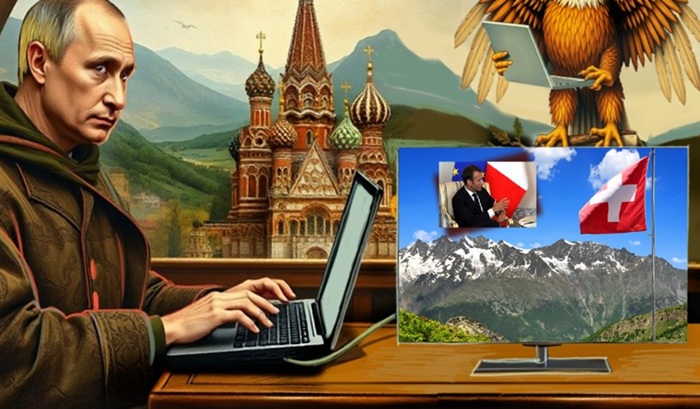
Manipulations around Zelenskyy’s “Illegitimacy” and Macron’s Proposal for Negotiations in Switzerland Debunked
Amidst the ongoing conflict in Ukraine, a wave of disinformation has sought to undermine Ukrainian President Volodymyr Zelenskyy’s legitimacy and misrepresent French President Emmanuel Macron’s stance on negotiations. Pro-Kremlin narratives, often amplified through social media and fringe news outlets, have falsely portrayed Zelenskyy as an illegitimate leader, installed by the West, echoing a long-standing Russian propaganda tactic aimed at delegitimizing the Ukrainian government. These claims not only lack factual basis but also attempt to distort the historical context of Zelenskyy’s democratic election in 2019, a process internationally recognized as free and fair. Similarly, Macron’s calls for dialogue and a negotiated settlement have been twisted and manipulated to suggest a betrayal of Ukraine, furthering the narrative of a divided West. This article aims to debunk these false claims and provide a clear picture of the situation.
The narrative surrounding Zelenskyy’s supposed illegitimacy serves a dual purpose for the Kremlin: it seeks to erode international support for Ukraine and justify Russia’s aggression. This disinformation campaign often resurfaces old, debunked conspiracy theories and promotes fabricated stories of Western interference. It conveniently ignores the fact that Zelenskyy was elected with a landslide victory, garnering over 73% of the vote, a clear mandate from the Ukrainian people. Furthermore, his presidency has been marked by significant anti-corruption efforts and reforms, which directly contradict the portrayals of him as a puppet of external forces. By perpetuating this false narrative, the Kremlin attempts to create a pretext for its actions, painting the war as a liberation effort rather than an unprovoked invasion.
Macron’s consistent calls for negotiations have also been subject to misrepresentation. The distorted narrative portrays Macron as appeasing Russia, suggesting he is willing to compromise Ukrainian sovereignty for the sake of a quick peace. This interpretation ignores the nuanced nature of Macron’s diplomatic efforts. His advocacy for dialogue does not equate to endorsing Russia’s demands or accepting its territorial gains. Instead, it reflects a pragmatic understanding that a lasting solution to the conflict must eventually involve negotiations. Macron’s position emphasizes the need for a negotiated peace that respects Ukrainian sovereignty and territorial integrity, while also acknowledging the complex security concerns of all parties involved. Manipulating his words serves to sow discord among Western allies and undermine efforts towards a peaceful resolution.
The spread of disinformation regarding Zelenskyy and Macron represents a dangerous escalation in the information war surrounding the conflict. These manipulations aim to confuse public opinion, erode trust in legitimate sources of information, and bolster support for the Russian narrative. The narratives are often disseminated through a network of online platforms, including state-controlled media, social media bots, and fringe websites. This coordinated effort to manipulate public discourse highlights the importance of media literacy and critical thinking in navigating the complex information landscape.
Combating these false narratives requires a multi-pronged approach. Fact-checking organizations play a vital role in debunking false claims and providing accurate information. Mainstream media outlets must diligently report on the conflict, highlighting the spread of disinformation and providing context to counter manipulative narratives. Social media platforms also bear a responsibility to address the spread of misinformation on their platforms. This includes removing demonstrably false content, labeling misleading information, and promoting authoritative sources.
Furthermore, governments and international organizations must invest in media literacy initiatives to equip citizens with the skills to critically evaluate information and identify propaganda. Strengthening international cooperation on information sharing and combating disinformation is crucial. Ultimately, safeguarding the truth and upholding democratic values in the face of this information war requires a collective effort from governments, media organizations, social media platforms, and individuals alike. A well-informed public, equipped with the tools to discern fact from fiction, is the strongest defense against the corrosive effects of disinformation.