


EU Cracks Down on Disinformation, X (Formerly Twitter) Under Scrutiny
The European Union has issued a stern warning to Elon Musk’s X (formerly Twitter) regarding compliance with the newly implemented Digital Services Act (DSA), aimed at combating fake news and propaganda, particularly from Russia. A comprehensive EU report has revealed X to be the largest purveyor of disinformation among major social media platforms, exceeding even Facebook in the ratio of misleading or false content. This damning assessment comes as the EU intensifies its efforts to regulate online content and protect its citizens from manipulation ahead of crucial elections in Slovakia and Poland.
The DSA, which came into effect in August, represents a landmark effort to hold online platforms accountable for the content they host. This 200-page report, covering the first half of 2023, details the measures taken by major tech companies to prepare for compliance and highlights the extent of Russian propaganda, hate speech, and other forms of disinformation circulating online. The report underscores the EU’s growing concern about the “war of ideas” being waged by the Kremlin, utilizing disinformation as a “weapon of mass manipulation” targeting both domestic Russian audiences and international populations.
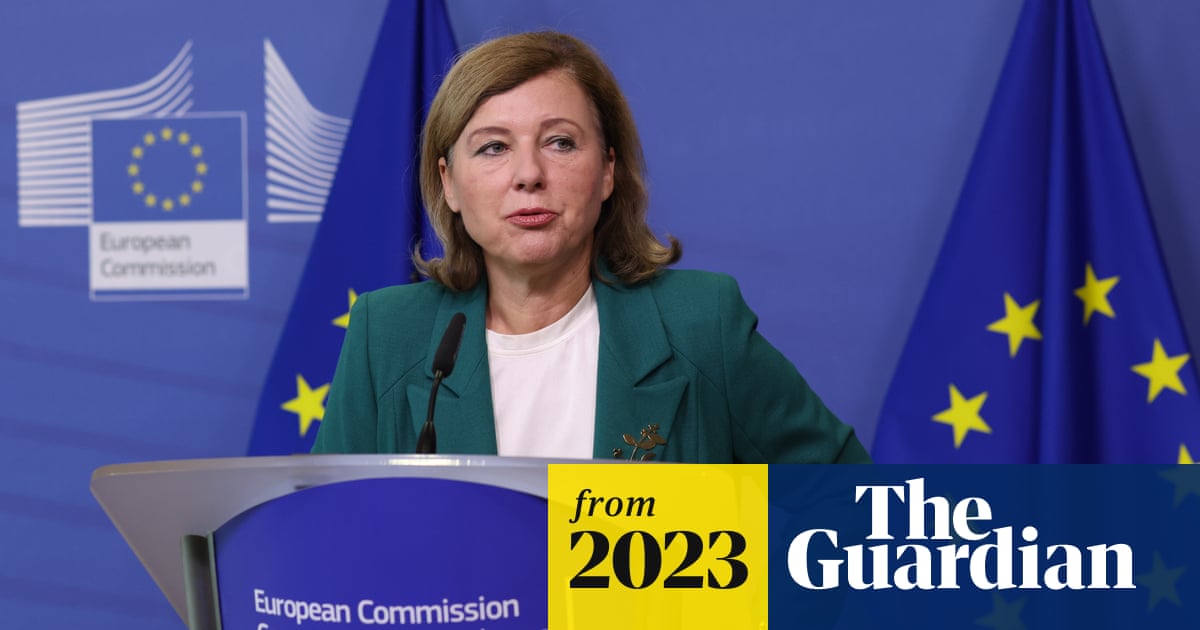
While Facebook, Google, TikTok, and Microsoft have signed the EU’s voluntary code of practice in anticipation of the DSA, Twitter, now X, opted out. However, the EU has made it clear that this decision does not exempt the platform from adhering to the new law. European Commissioner Věra Jourová, leading the DSA implementation, emphasized that X remains obligated to comply or risk being banned across the EU. She stressed the importance of platforms addressing disinformation, particularly during election cycles, and cooperating with the EU’s efforts to safeguard democratic processes.
The report also revealed the vast scale of disinformation being tackled by other platforms. LinkedIn, owned by Microsoft, prevented the creation of 6.7 million fake accounts and removed 24,000 pieces of fake content. YouTube, a Google subsidiary, reported removing over 400 channels engaged in coordinated influence operations linked to the Russian-sponsored Internet Research Agency. TikTok removed nearly 6 million fake accounts and 410 unverifiable advertisements, while Google removed advertising from approximately 300 state-funded propaganda sites and rejected over 140,000 political advertisers for failing identity verification.
Furthermore, Meta, Facebook’s parent company, expanded its fact-checking network to encompass 26 partners covering 22 EU languages, including Czech and Slovak. The report indicated a positive trend, with 37% of users choosing not to share content after being notified of its misleading nature, suggesting the effectiveness of labeling disinformation. TikTok, despite facing a recent €345 million fine for data protection breaches related to children, has actively worked towards DSA compliance, partnering with Reuters to fact-check content related to the war in Ukraine in Russian, Ukrainian, and 17 other languages.
The EU’s focus on Russian disinformation stems from its persistent presence on social media platforms and the potential for interference in upcoming elections. Jourová highlighted Slovakia as a particular target for Kremlin-backed disinformation campaigns aimed at sowing division and undermining democratic processes. She urged platforms to be vigilant against such threats, not just for national elections but also for the upcoming European Parliament elections next year. The report highlighted the prevalence of Kremlin propaganda, a multimillion-euro effort to manipulate public opinion using disinformation. Beyond the war in Ukraine, platforms also grapple with hate speech related to migration, LGBTQ+ communities, and the climate crisis.
The EU’s efforts represent a significant step in holding social media platforms accountable for the spread of disinformation and protecting democratic processes. The spotlight on X’s high ratio of disinformation and the EU’s unwavering commitment to enforcing the DSA signal a determined stance against online manipulation. The coming months will be crucial in observing X’s compliance and the broader effectiveness of the DSA in combating the pervasive threat of disinformation across Europe. The EU’s message is clear: platforms must prioritize the fight against disinformation or face consequences. The stakes are high, not only for the integrity of information online but for the very foundation of democratic societies.