


SANTIAGO — For Rodrigo Brian Bravo Martins, a Chilean telecommunications technologist and student at the University of Santiago, the field once seemed straightforward: build infrastructure, connect networks, keep systems running efficiently. But after Chile’s 2025 presidential election, he says he has come to see a deeper dimension to his profession. Digital systems, he argues, are not neutral. Their design, the algorithms that drive them and the rules that govern them shape how people receive information, form opinions and engage in democratic life. In a recent essay, Bravo Martins contends that democracy today depends not only on elections, independent institutions and the rule of law but also on the digital environment in which citizens communicate and participate. That environment, he warns, can either support democratic debate or undermine it, and the responsibility for its health falls not only on politicians and regulators but also on the engineers and technologists who build and manage it.
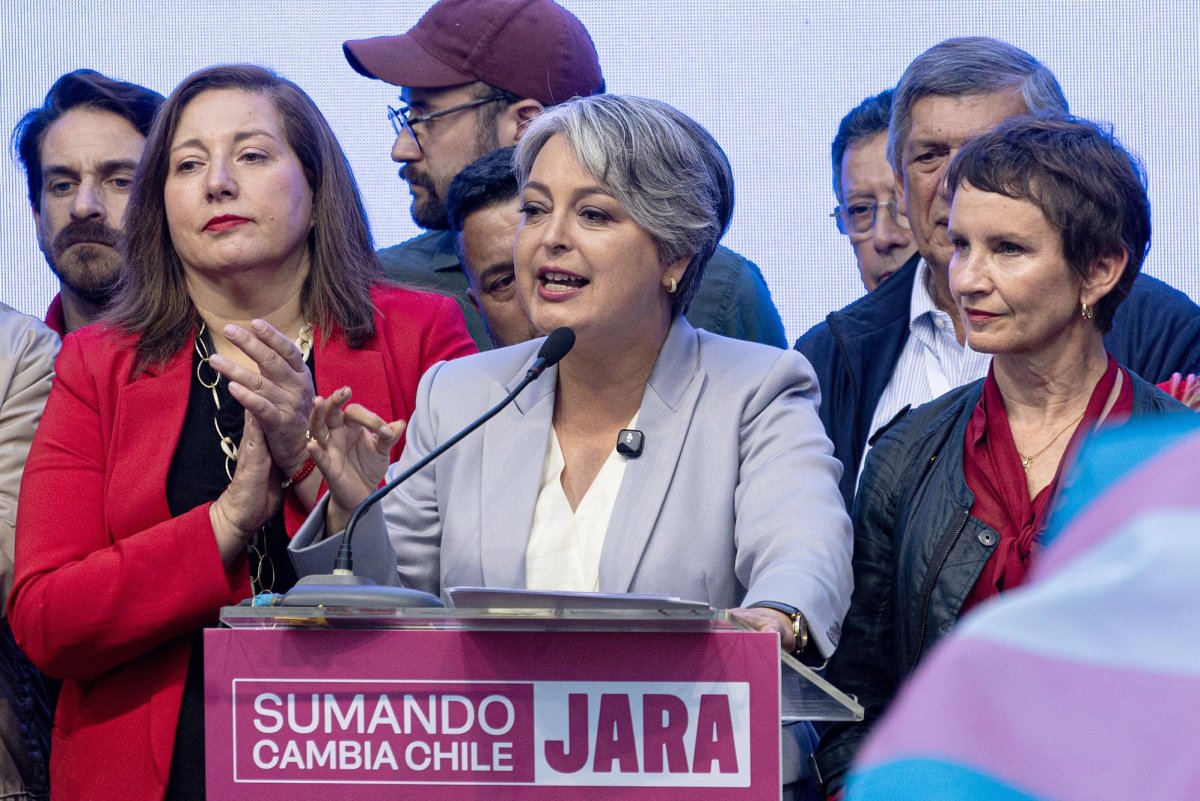
Bravo Martins points to Chile’s own recent election as a vivid example. Ahead of the November 2025 presidential vote, investigative journalists documented a coordinated disinformation campaign against the two leading women candidates, Evelyn Matthei and Jeannette Jara. False claims about Matthei’s health were spread through anonymous accounts, according to reporting by Tech Policy Press. A study by the Observatory on Disinformation at Madrid’s Complutense University found that candidates themselves were responsible for roughly half of the more than 400 false and misleading claims tracked during the campaign. Reporters linked the accounts behind the health rumors to networks associated with the Republican Party, whose leader, José Antonio Kast, went on to win the December runoff. Kast denied any connection to the misinformation. An official investigation into the episode remains unresolved, and Bravo Martins notes that the episode shows both how central the information environment has become to Chilean democratic life and how difficult it still is to hold anyone accountable for polluting it. For him, this is not an abstract concern. It is a direct challenge to the assumptions underlying his own field.
The author acknowledges that social networks have brought real benefits to democratic life. They allow citizens to organize, expose abuses and take part in public debate in ways that would have been unimaginable a generation ago. But the same platforms reward speed and emotional reaction over accuracy. Their algorithms reinforce what people already believe, making it easier to see those who disagree not as fellow citizens but as enemies. At the same time, these systems gather enormous amounts of information about people’s habits and preferences. That data can make services more useful, but it can also be used to classify people, anticipate their decisions and shape what they see. Bravo Martins insists these are not abstract questions for people in his field. They belong to engineers as much as to politicians and regulators. The technical choices made by those who design networks and platforms, he argues, have consequences for privacy, dignity and the quality of public discourse. A system optimized purely for engagement may be efficient, but it may also deepen polarization and erode trust.
Latin America, Bravo Martins writes, has particular reason to take these concerns seriously. The region struggled with institutional distrust, polarization and dissatisfaction with democratic performance long before social media existed. Technology did not create those problems, nor will it resolve them on its own. But the digital environment can deepen them, or it can help citizens confront them more constructively. That is why he has come to believe that citizenship in this century must include a digital dimension. It means learning to navigate online spaces critically, checking information before sharing it and remaining willing to listen to views that challenge one’s own. Bravo Martins is not arguing that technology is primarily a threat. Digital tools can make public information more accessible and give civil society new ways to organize. Independent journalists and researchers, in fact, were the ones who exposed the disinformation campaign against Matthei and Jara. The question, he says, is not whether to build these systems, but what kind of digital society we want them to serve.
That question has become personal for him. He still believes technical competence matters, but professional responsibility, he argues, asks for something more: an awareness that decisions about infrastructure, networks and platforms shape the quality of democratic life, along with a willingness to weigh dignity and privacy alongside performance and efficiency. This has also changed how he thinks about leadership. Leadership is usually associated with presidents and legislators, but it can begin closer to home. It begins by refusing to spread unverified information, resisting the pull of outrage and, for those of us in technology, questioning designs that undermine privacy or human dignity. Latin America’s democratic future, he says, will depend on its political leaders and its citizens, increasingly including the young people who design and manage the digital environment in which they live.
Democracy, Bravo Martins concludes, is an unfinished task each generation takes up again. For his generation, part of that task will be technological. Building networks, he says, was never only about connecting machines. It is also about connecting people and helping shape the kind of society in which they will live. The views expressed are solely those of the author. Bravo Martins is a telecommunications technologist from the University of Santiago of Chile, where he is currently pursuing a diploma in cybersecurity for data networks. He is also a graduate of the Legacy of the Americas Academy of High Studies, a regional leadership program focused on the humanist foundations of Western civilization, democracy and global affairs.