


The Weaponization of Information and the Imperative for Open-Source Investigation Skills in the UK
The UK news media landscape, like many others globally, faces a growing threat from the weaponization of information. While the deliberate spread of misinformation and disinformation is not a new phenomenon, the proliferation of smartphones and the advent of artificial intelligence have drastically amplified its reach and impact. This creates an environment where manipulating narratives, pushing counter-narratives, and disseminating politically destabilizing "alternative truths" is easier than ever before. The resulting erosion of trust in established news sources and institutions poses a significant challenge to democratic processes and necessitates a robust counter-strategy. Empowering news consumers with open-source investigation (OSI) skills is crucial to mitigate this threat.
This article proposes a pedagogical approach to combat the insidious effects of weaponized information: equipping individuals with the tools and critical thinking skills to scrutinize information sources and verify information themselves. This approach aims to foster a healthy skepticism, not cynicism, towards the information they encounter. By becoming active investigators rather than passive recipients, individuals can better navigate the complex and often manipulated information ecosystem. This includes understanding the different types of weaponized information, including disinformation (false information shared deliberately), misinformation (false information shared unintentionally), malinformation (true information shared to cause harm), and even seemingly benign information that crowds out critical perspectives. Recognizing the strategies employed in disseminating these forms of information, from rumors and conspiracy theories to manipulated "news," is equally vital.
Weaponized information operates on multiple levels, exploiting the inherent openness of liberal democracies and their commitment to freedom of speech. It infiltrates mainstream and social media platforms, blurring the lines between legitimate reporting and fabricated content. Bad actors, often state-sponsored or their proxies, can further amplify their influence by targeting counter-narratives, discrediting journalists, academics, and other voices of scrutiny. The proliferation of proxies – ranging from overt state-controlled media outlets to covert actors and "true believers" – adds layers of complexity to the problem. These proxies act as vectors, spreading disinformation under the guise of legitimate discourse. This multi-pronged approach makes it increasingly difficult to discern credible information and erodes public trust in institutions.
The challenge extends beyond merely identifying false information. The "problem of truth" arises as individuals lose faith in established sources and become susceptible to alternative narratives. This susceptibility often stems from genuine concerns about societal issues, exacerbated by a perceived lack of transparency from authorities. Bad actors exploit these vulnerabilities, injecting disinformation into online communities where doubt and disillusionment fester. Algorithms designed to maximize engagement rather than accuracy further amplify this problem, creating echo chambers where individuals are increasingly exposed to extreme variations of their own biases. This can lead to radicalization, where even seemingly innocuous "truth-seekers" become unwitting proxies, disseminating and acting upon disinformation they believe to be true.
The existing countermeasures, such as fact-checking initiatives by mainstream media, often fall short. They struggle to reach audiences who primarily consume news through social media and can be dismissed as partisan or "establishment" voices. Regulating online platforms also presents complex challenges, particularly in liberal democracies that prioritize freedom of expression. Given these limitations, a new approach is needed, one that empowers individuals to become critical consumers of information. This article proposes leveraging the model of Bellingcat, a renowned investigative journalism collective that utilizes open-source investigation (OSI) techniques to verify and analyze information.
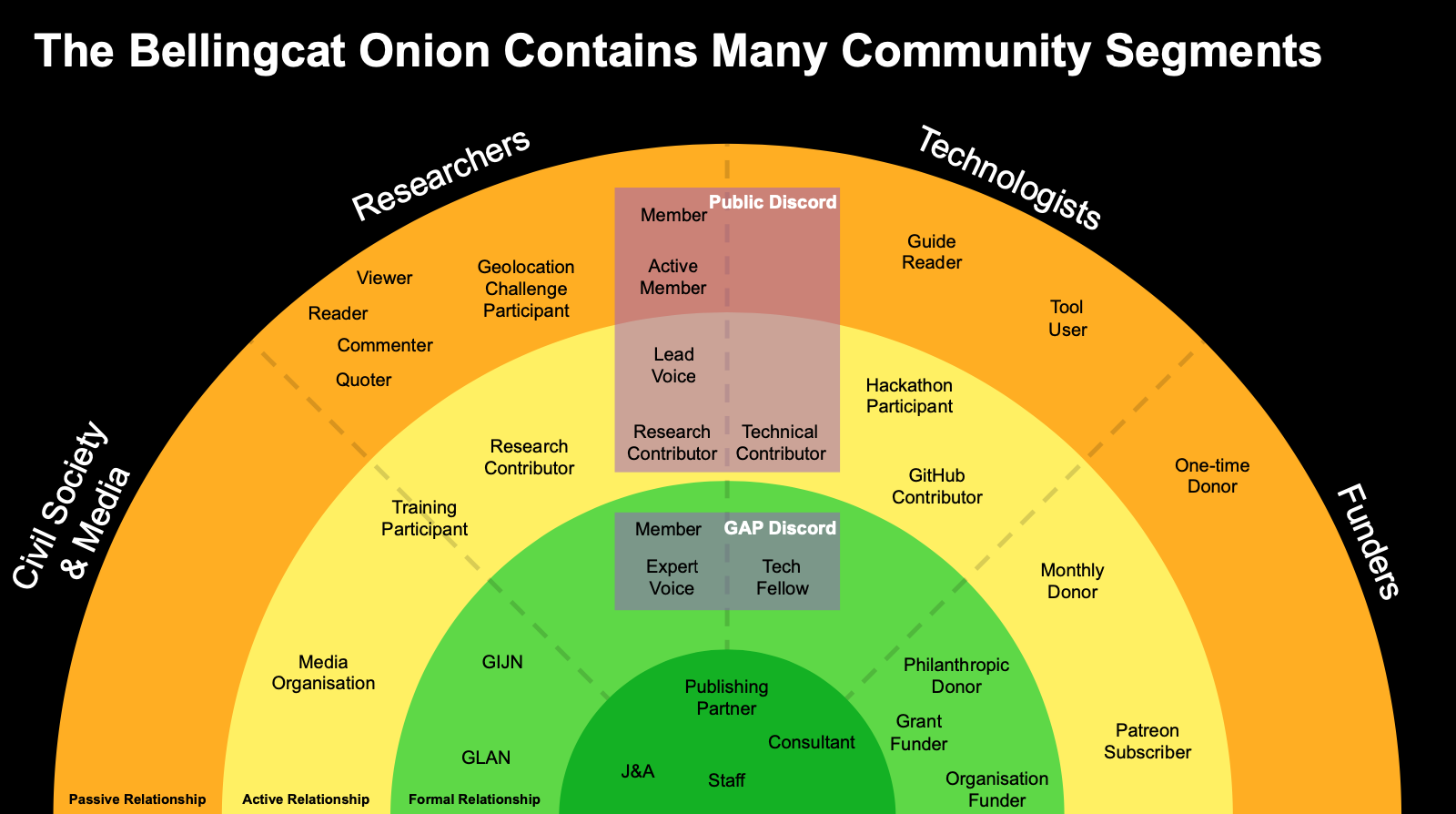
Bellingcat’s success lies in its "Identify, Verify, Amplify" (IVA) loop, a methodology involving rigorous examination of openly available information, from social media posts to satellite imagery and flight data. This approach has been instrumental in exposing disinformation campaigns and holding powerful actors accountable. The “Bellingcat onion” model illustrates the organization’s diverse structure, from core researchers and technologists to a wider network of volunteers and contributors. This article advocates for broadening this "onion" by equipping news consumers with basic OSI skills. By empowering individuals to engage in their own verification processes, they can move beyond cynicism and contribute to a more informed public discourse.
Integrating OSI training into the UK education system, from schools to universities, is proposed as a key strategy. While advanced investigative techniques may be more suited for higher education, basic skills in critical thinking and source verification can be introduced at a younger age. This could involve embedding OSI principles into existing media literacy programs or creating dedicated modules that empower students to investigate local issues, fostering civic engagement and inoculating them against the allure of conspiracy theories. University-level programs could offer more in-depth training, equipping students with advanced OSI skills applicable to various fields, including journalism, law, and security. There is also scope for pilot projects in local schools and colleges, establishing a pipeline of informed and engaged citizens capable of contributing to the outer rings of the "Bellingcat onion."
The weaponization of information poses a serious threat to democratic societies, requiring a proactive and multi-faceted response. This article argues that fostering critical thinking and OSI skills among news consumers is essential for counteracting the damaging effects of disinformation and rebuilding trust in information ecosystems. Empowering future generations with these skills is not merely an option; it is a necessary investment in the future of informed and resilient democracies. This calls for government support to implement comprehensive educational programs that equip individuals with the tools to navigate the complexities of the digital age and become active participants in shaping a more informed public discourse. By fostering a culture of critical inquiry and empowering individuals to verify information for themselves, we can create a more resilient and democratic society capable of resisting the insidious effects of weaponized information.