

X’s Transformation: From Town Square to Polarization Hub
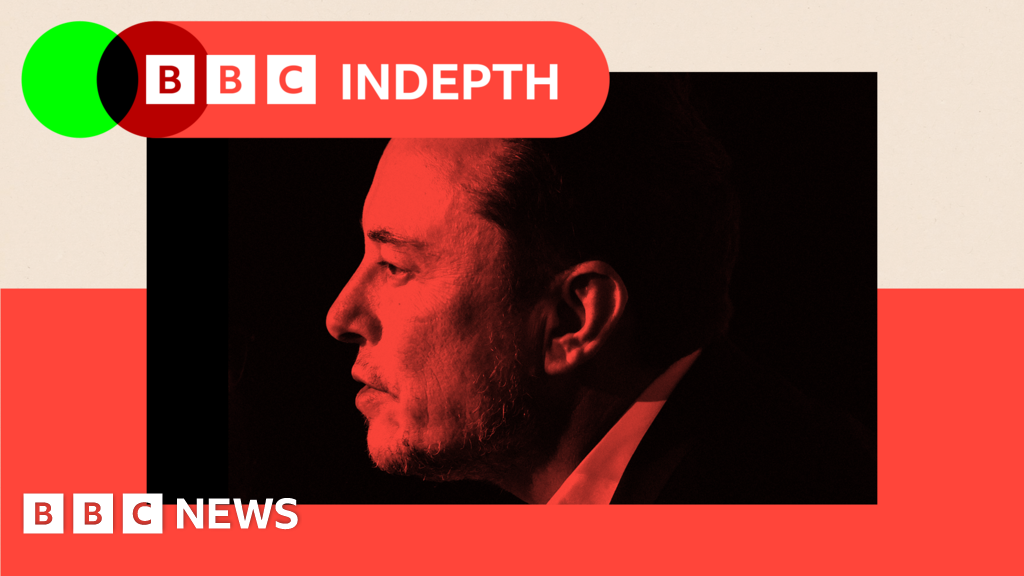
Elon Musk acquired Twitter, now X, in 2022, championing it as a sanctuary for free speech. However, over 2024, the platform has shifted from a sense of communal discussion to a polarized space, with controversial views and misleading information gaining prominence. The rise of accounts like "Inevitable West," which promotes right-wing viewpoints and frequently shares misinformation, exemplifies this trend. While Musk emphasizes open dialogue, the platform’s transformation raises concerns about the spread of disinformation and its impact on political discourse.
X’s influence extends beyond its user base, impacting political discussions and becoming a platform for politicians and government entities to communicate. Musk’s alignment with Donald Trump further complicates matters, potentially influencing how social media leaders engage with the US President. This relationship raises questions about the platform’s role in shaping political narratives.
Several factors contribute to X’s evolving landscape. The platform has undergone numerous changes, including altered moderation policies, algorithmic adjustments to the "For You" feed, and modifications to features like blocking and likes. Musk’s publicly stated intention to reduce censorship, combined with staffing changes, has created an environment where misinformation can thrive. The removal of the block function’s protective element and privatization of likes have also shifted the dynamics of interaction on the platform.
The platform’s monetization structure adds another layer to the issue. X Premium subscribers enjoy greater visibility and can earn revenue based on engagement from other premium accounts. This model, while not unique to X, raises concerns about incentivizing controversial content, as there are no mechanisms to demonetize accounts spreading misinformation. Although community notes offer a fact-checking tool, the financial incentives for engagement could overshadow efforts to combat misleading information.
The algorithm’s role in X’s transformation is unclear. Observations suggest an increased prevalence of divisive content, particularly surrounding support for Trump, within the "For You" feed. However, this shift likely stems from a combination of factors, including platform changes and user behavior, rather than solely algorithmic tweaks. Experts argue that the lack of robust safety mechanisms, in the name of free speech, has contributed to the spread of problematic content.
X’s transformation has prompted concerns about moderation bias and its broader impact. The platform’s handling of discussions around events like the German market attack highlights the challenges in balancing free speech with the need to prevent incitement of hatred and violence. Musk’s past responses to criticism of the platform’s moderation practices, including his embrace of "trolls," further fuel these concerns. The rise of unexpectedly influential accounts, coupled with allegations of algorithmic manipulation and inconsistent moderation, raises questions about the platform’s trajectory and its potential consequences for online discourse. Many users frustrated with the changes have migrated to platforms like Bluesky, seeking a less volatile and potentially more balanced social media experience.
The interplay between social media and political influence has intensified with Trump’s presidency and Musk’s prominent role. Musk’s governmental appointment, and interactions between Trump and other social media leaders like Mark Zuckerberg and Shou Zi Chew, underscore the increasing entanglement between tech companies and political power. These relationships raise concerns about potential conflicts of interest and the influence of political agendas on platform policies.
The future of X remains uncertain. The platform’s evolving nature, coupled with its influence on political discussion and the growing interconnectedness between social media leaders and political figures, presents a complex and evolving landscape. The ongoing debate over online safety regulation, including legislation like the UK’s Online Safety Act and the proposed TikTok ban in the US, further complicates the situation. The outcomes of these regulatory efforts and the evolving relationship between social media companies and governments will undoubtedly shape the future of online discourse and the role of platforms like X in shaping public opinion.