


Local Action, Global Crisis: Communities Lead the Charge on Climate Solutions Amidst Disinformation
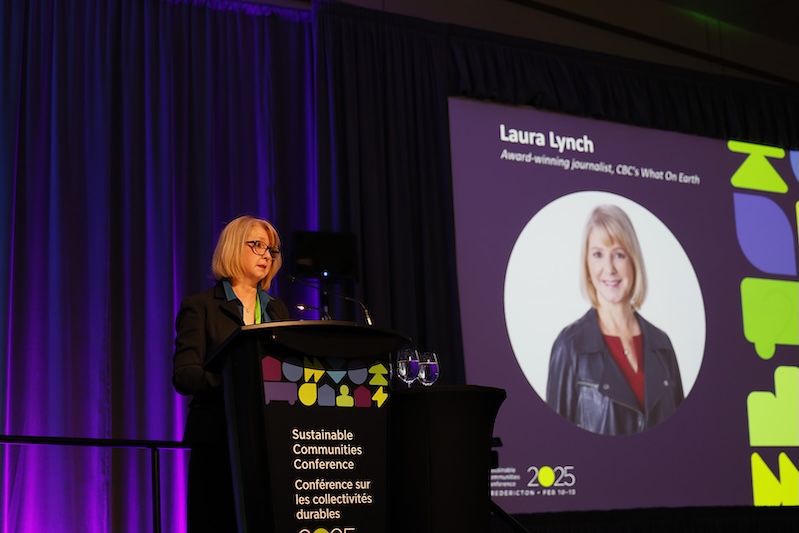
The front lines of the climate crisis are not distant glaciers or ravaged rainforests, but the very communities we live in. From small towns to bustling cities, local governments and citizens are increasingly taking the lead in implementing practical climate solutions. This grassroots movement, however, faces a formidable opponent: the pervasive spread of mis- and disinformation that casts doubt on the reality and urgency of climate change, hindering effective action. Veteran CBC Radio journalist Laura Lynch, host of the acclaimed climate podcast "What On Earth," brought this critical issue to the forefront at a sustainable communities conference in Fredericton. Lynch emphasized the unique position of local communities, stating that their on-the-ground experience allows them to see "what will work, what people want, what people will embrace" – insights often missed at higher levels of government. This local knowledge is crucial for crafting effective, community-driven climate initiatives.
Lynch underscored the innovative spirit of local action, highlighting how municipalities and Indigenous communities are often at the "forefront of taking action" and "finding ways to be innovative." These local efforts range from implementing sustainable infrastructure projects to advocating for policy changes. However, these efforts are often undermined by the insidious creep of climate disinformation, which aims to sow confusion and erode public trust in climate science. Lynch noted the increasing sophistication of disinformation campaigns, which often exploit people’s fears and prejudices. In response, "What On Earth" actively combats this misinformation by exposing its tactics and providing accurate, evidence-based information. Lynch encouraged conference attendees to report instances of disinformation, emphasizing the collaborative role communities can play in combating this threat.
Lynch stressed the importance of storytelling in countering the narrative of climate denial. Sharing personal experiences and highlighting the tangible impacts of climate change can be more effective than abstract scientific data. She recounted a story featured on her podcast about a former climate denier, a self-proclaimed conspiracy theorist, who changed her views after engaging in university-level studies and personal interactions with climate advocates. This individual’s transformation underscores the power of face-to-face conversations and human connection in bridging divides and shifting perspectives.
While climate communication faces significant challenges, the media landscape has evolved dramatically. Over the past five years, climate reporting has surged, with both legacy media outlets and independent online platforms devoting substantial resources to covering the climate crisis. "What On Earth" itself, initially conceived as a short-term summer program, exemplifies this shift, having become a prominent voice in Canadian climate journalism. Despite this progress, the news industry remains in a precarious state, particularly local journalism. Lynch expressed concern over the economic challenges facing news organizations, noting the threat of further layoffs and closures. She underscored the vital role of a robust and independent media in a healthy democracy, emphasizing the need to protect and support quality journalism, especially at the local level.
"What On Earth" has tackled a broad spectrum of climate-related topics, from emissions reductions and carbon capture technologies to the socio-economic implications of the climate crisis, including climate finance, insurance, and the impacts on art, sports, and resource extraction. Lynch highlighted the show’s focus on environmental justice, giving voice to communities disproportionately affected by climate change despite contributing the least to its causes. These communities, often marginalized and facing systemic inequities, bear the brunt of climate impacts, underscoring the ethical dimension of the climate crisis.
The podcast has shed light on pressing environmental justice issues, including the disproportionate exposure of Black, Indigenous, and other racialized communities to polluting industries and landfills, compounded by limited access to resources like air conditioning. The program has also featured stories of forced relocations, impacting some Manitoba First Nations due to near-annual flooding, and a New Brunswick First Nation’s struggle to reclaim ancestral land lost to rising sea levels. Furthermore, "What On Earth" has explored the increasing legal challenges faced by municipalities, as citizens seek accountability for perceived failures to protect them from climate change impacts. These stories highlight the complex human dimensions of the climate crisis and the need for equitable solutions.