


Finland’s Forward-Thinking Approach to Disinformation Education
Finland, a nation renowned for its high-quality education system, has taken a proactive stance against the rising tide of disinformation. Recognizing the vulnerability of even young children to online manipulation and misleading narratives, the country has integrated media literacy education into its curriculum, starting as early as first grade. This pioneering approach aims to equip children with the critical thinking skills necessary to navigate the complex digital landscape and identify potentially harmful information. While many countries grapple with the spread of "fake news," Finland is investing in its youngest citizens, empowering them to become discerning consumers of information and responsible digital participants.
Cultivating Critical Thinking from a Young Age
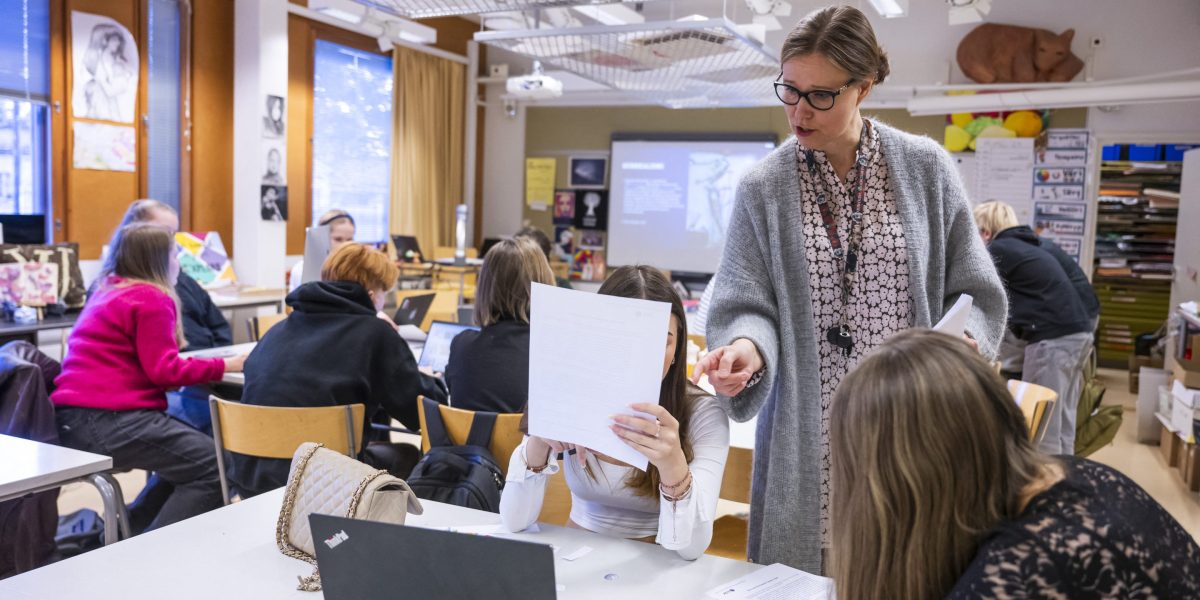
The Finnish education system emphasizes a holistic approach to learning, fostering critical thinking skills from an early age. Rather than focusing solely on memorization and rote learning, teachers encourage students to question, analyze, and evaluate information. This foundational approach prepares children to approach online content with a healthy skepticism, recognizing that not everything they encounter is accurate or truthful. Through interactive exercises, games, and discussions, Finnish educators guide students to identify common hallmarks of disinformation, such as biased language, emotional manipulation, and lack of credible sources. By making media literacy an integral part of the educational journey, Finland is building a generation equipped with the mental tools to navigate the digital age responsibly.
Empowering Young Citizens to Deconstruct Disinformation
Finnish educators are not just teaching children about disinformation; they are empowering them to deconstruct it. Students are encouraged to look beyond the surface level of online content and delve into its underlying motivations and potential biases. They learn to analyze the source of information, considering the credibility and reputation of the website or social media account. They are also taught to evaluate the evidence presented, looking for verifiable facts and independent corroboration. This emphasis on active engagement with information transforms students from passive recipients to critical analysts, capable of dissecting the complex layers of online narratives.
The Power of Playful Learning
Finland’s success in teaching media literacy stems, in part, from its innovative approach to pedagogy. Recognizing the importance of engaging young learners, educators often employ playful and interactive methods to convey complex concepts. Games, simulations, and role-playing exercises make learning about disinformation fun and accessible. For example, students might be presented with fabricated news stories and challenged to identify the telltale signs of manipulation. This interactive approach not only captures children’s attention but also helps them internalize the critical thinking skills they are learning.
A Nation Committed to Media Literacy
Finland’s commitment to media literacy extends beyond the classroom. The country has a robust network of organizations and initiatives dedicated to promoting critical thinking and combating disinformation. Libraries offer workshops and resources for all ages, while media organizations collaborate with educators to develop educational programs. This nationwide effort reflects Finland’s understanding that media literacy is not merely a school subject but a fundamental civic skill essential for a healthy democracy.
A Model for the World
Finland’s proactive approach to disinformation education offers a valuable model for other countries grappling with the challenges of the digital age. By investing in media literacy from an early age, Finland is empowering its citizens to become informed and responsible consumers of information. This forward-thinking approach recognizes that critical thinking is not an innate ability but a skill that must be cultivated and nurtured. As the digital landscape continues to evolve, Finland’s commitment to media literacy stands as a beacon of hope, demonstrating that even the youngest among us can be equipped to navigate the complexities of online information and contribute to a more informed and resilient society. The Finnish model emphasizes that combating disinformation is not just about debunking individual falsehoods; it’s about empowering individuals with the critical thinking skills to recognize and resist manipulation. By fostering a culture of critical inquiry, Finland is not only protecting its citizens from the harmful effects of disinformation but also strengthening the foundations of its democracy. The country’s success underscores the importance of investing in education and empowering citizens to become active participants in the fight against misinformation.