


Social Media Responsibility Under Scrutiny Amidst Concerns Over Misinformation
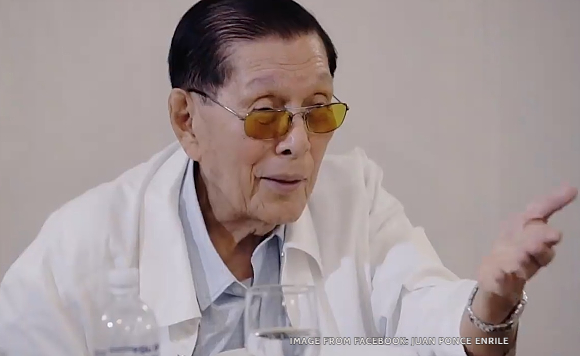
The proliferation of fake news and misinformation on social media platforms has sparked a renewed debate about the responsibility of online content creators and users. Former Senator and current Chief Presidential Legal Counsel Juan Ponce Enrile recently emphasized the crucial need for accuracy and caution in disseminating information online, warning against the potential for "anarchic and disorderly" consequences if social media is misused as a platform for spreading fabricated or unsubstantiated claims. Enrile’s comments follow a marathon hearing conducted by the House of Representatives, where several vloggers and social media personalities were questioned about potentially misleading content they had published.
Enrile, a seasoned legal mind and political figure, articulated his concerns in a Facebook post, stressing that the freedoms guaranteed by the Bill of Rights, including freedom of expression, are predicated on the dissemination of truthful information. He underscored the importance of ensuring that the public has access to accurate and reliable information to make informed decisions, free from manipulation or the influence of hidden agendas. His remarks reflect a growing anxiety about the potential for social media to be weaponized to spread disinformation and undermine democratic processes. The 101-year-old emphasized his belief in the intelligence and rationality of social media practitioners, urging them to exercise due diligence and caution in verifying information before sharing it with their audiences.
The recent House hearing, convened by a tri-committee composed of the House committees on public information, public accountability, and information and communications technology, highlighted the real-world impact of online misinformation. Several prominent vloggers and social media personalities, known for their often-controversial content, were summoned to answer questions about posts related to the arrest of former President Rodrigo Duterte. The hearing, which lasted for seven hours, delved into the specifics of the claims made by these individuals, scrutinizing their sources and the potential consequences of disseminating potentially inaccurate information.
The House hearing brought to the forefront the complex challenges of regulating online content while upholding the fundamental principles of free speech. The individuals questioned faced the possibility of contempt citations and detention if they failed to cooperate with the investigation. Under pressure, several of these personalities, including newspaper editor Krizette Laureta Chu and vloggers MJ Quiambao Reyes and Mark Lopez, ultimately issued apologies for publishing what were deemed to be "sensationalized, baseless" claims. The hearing served as a stark reminder of the potential legal and reputational risks associated with the spread of false or misleading information online.
The incident underscores the ongoing struggle to balance the right to freedom of expression with the need to protect the public from harmful misinformation. It also highlights the increasing role of legislative bodies in grappling with the societal implications of the rapid evolution of digital communication technologies. The hearing signifies a potential turning point in the Philippines’ approach to regulating online content, suggesting a greater willingness to hold individuals accountable for the information they disseminate on social media. The outcome of this hearing and any subsequent actions taken by the House of Representatives could have significant implications for the future of online discourse in the Philippines.
The debate over online misinformation and its potential consequences is not unique to the Philippines. Globally, governments and civil society organizations are grappling with similar challenges, seeking to find effective ways to combat the proliferation of fake news without infringing on fundamental freedoms. The intersection of free speech, technology, and societal well-being remains a complex and evolving landscape, necessitating ongoing dialogue and collaboration to ensure that online platforms remain spaces for constructive discourse and the free exchange of information without becoming conduits for the spread of harmful falsehoods. The case of the Philippines serves as a microcosm of this global struggle, highlighting the urgent need for a balanced and nuanced approach to addressing the challenges posed by online misinformation.