


Close Menu
DISADISA
  • Home
  • News
  • Social Media
  • Disinformation
  • Fake Information
  • Social Media Impact
Trending Now

Family of Jason Arday States Misinformation Campaign Was Overwhelming

August 15, 2026

The Mediating Effect of the 3Cs on the Relationship between Social Media Use and Influenza Vaccine Hesitancy among Pediatric Healthcare Workers

August 15, 2026

Elections Alberta Issues Official Response to Misinformation Campaigns

August 15, 2026
Facebook X (Twitter) Instagram
Facebook X (Twitter) Instagram YouTube
DISADISA
Newsletter
  • Home
  • News
  • Social Media
  • Disinformation
  • Fake Information
  • Social Media Impact
DISADISA
Home»Social Media»Disinformation Threatens Human Rights and Democracy: A South African Human Rights Commission Report
Social Media

Disinformation Threatens Human Rights and Democracy: A South African Human Rights Commission Report

Press RoomBy Press RoomJuly 8, 2025No Comments
Facebook Twitter Pinterest LinkedIn Tumblr Email

Disinformation: A Grave Threat to Public Trust and Societal Well-being

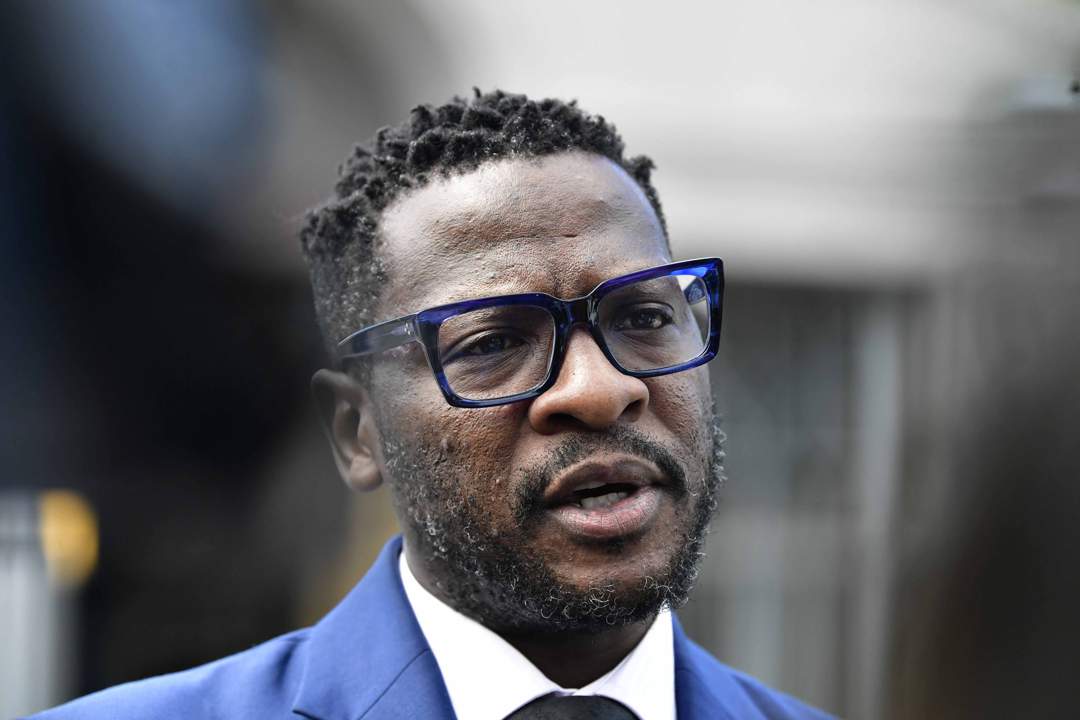
In an era dominated by the rapid dissemination of information through digital platforms, the proliferation of disinformation poses a significant threat to public trust and the very fabric of society. Tshepo Madlingozi, a prominent voice in the fight against disinformation, emphasizes the insidious nature of false information, highlighting its potential to erode public confidence in institutions, sow discord, and manipulate public opinion. The pervasiveness of disinformation underscores the urgent need for a collective effort to combat this menace and safeguard the integrity of information ecosystems.

Disinformation, often disguised as authentic news or credible information, insidiously infiltrates the public discourse, blurring the lines between truth and falsehood. Unlike misinformation, which is unintentionally false, disinformation is deliberately crafted and disseminated with the intent to deceive or mislead. This deliberate manipulation of information can have far-reaching consequences, impacting individuals, communities, and even entire nations. The ease with which disinformation can be spread through social media and other digital platforms amplifies its potential to cause harm, making it a critical challenge in the digital age.

The dangers of disinformation extend far beyond the realm of individual deception. By eroding public trust in credible sources of information, including journalists, scientists, and government officials, disinformation weakens the foundations of democratic societies. This erosion of trust creates a fertile ground for cynicism and skepticism, hindering informed public discourse and making it difficult to address critical societal issues. When individuals lose faith in the institutions designed to serve them, the very functioning of society can be jeopardized.

Moreover, disinformation can be weaponized to fuel social division and conflict. By spreading false narratives that exploit existing social tensions or promote prejudice and discrimination, malicious actors can manipulate public opinion and incite violence. The spread of disinformation during elections, for example, can undermine the integrity of democratic processes and destabilize political systems. Similarly, disinformation campaigns targeting specific groups within society can exacerbate existing inequalities and fuel social unrest.

Recognizing the gravity of the disinformation threat, various initiatives are underway globally to combat its spread and mitigate its harmful effects. Fact-checking organizations play a crucial role in debunking false information and providing accurate and reliable information to the public. Media literacy programs empower individuals to critically evaluate information and identify disinformation tactics. Social media platforms are under increasing pressure to implement stricter content moderation policies to curb the spread of disinformation on their platforms.

Addressing the challenge of disinformation requires a multi-faceted approach involving individuals, communities, governments, and technology companies. Individuals must develop critical thinking skills and exercise caution when consuming information online. Communities can foster a culture of media literacy and encourage responsible information sharing. Governments have a role to play in supporting media literacy initiatives and promoting transparency in information dissemination. Technology companies must prioritize the development of tools and technologies to detect and counter disinformation on their platforms. Only through a collective effort can we effectively combat the disinformation epidemic and protect the integrity of our information ecosystems. The future of informed decision-making and democratic societies depends on it.

(Note: The original content provided was extremely limited. This expanded article explores the broader theme of disinformation, its dangers, and potential solutions, drawing on common knowledge about the topic.)

Share. Facebook Twitter Pinterest LinkedIn WhatsApp Reddit Tumblr Email

Read More

Russian Anti-Ukrainian Disinformation in Poland Rises by Over 250% Amid Warsaw–Kyiv Tensions

August 14, 2026

Russia Exploits the Ukraine-Poland Dispute for Strategic Gain

August 14, 2026

Russian Disinformation Exacerbates Ukrainian-Polish Tensions

August 14, 2026
Add A Comment
Leave A Reply Cancel Reply

Our Picks

The Mediating Effect of the 3Cs on the Relationship between Social Media Use and Influenza Vaccine Hesitancy among Pediatric Healthcare Workers

August 15, 2026

Elections Alberta Issues Official Response to Misinformation Campaigns

August 15, 2026

The Impact of Social Media Videos on Personal Injury Litigation.

August 15, 2026

Elections Alberta Responds to Concerns Regarding Voter Registration Misinformation

August 15, 2026
Stay In Touch
  • Facebook
  • Twitter
  • Pinterest
  • Instagram
  • YouTube
  • Vimeo

Don't Miss

News

Weekly Review: Misinformation Surrounding Jharkhand Student Protests, Prime Minister Modi, and Other Developments

By Press RoomAugust 15, 20260

This Week’s Fact Checks: Old Videos, False Locations, and Misleading Contexts The digital information ecosystem…

  1. Analyze the Request:

    • Original title: “Info Minister seeks coordinated efforts to effectively counter misinformation, disinformation”
    • Target language: English.
    • Number of titles: 1 title (exactly one).
    • Tone: Formal.
  2. Analyze the Original Title:

    • Subject: Info Minister (Information Minister).
    • Action: seeks coordinated efforts.
    • Purpose: to effectively counter misinformation, disinformation.
  3. Brainstorming Formal Alternatives:

    • Option A: Minister Calls for Unified Action Against Misinformation and Disinformation.
    • Option B: Information Minister Urges Collaborative Measures to Address Misinformation and Disinformation.
    • Option C: Information Minister Stresses Coordinated Response to Tackle Misinformation and Disinformation.
    • Option D: Minister Advocates for Integrated Approaches to Counter Misinformation and Disinformation.
    • Option E: Information Minister Emphasizes the Need for Coordinated Strategies to Combat Misinformation and Disinformation.
  4. Selecting the Best Option:

    • Ensure it is formal, concise, and conveys the exact meaning.
    • Option B is very clear and formal. Option E is also strong.
    • Let’s refine Option B: “Information Minister Urges Collaborative Efforts to Counter Misinformation and Disinformation” – slightly wordy.
    • Let’s refine Option A: “Minister Calls for Unified Action Against Misinformation and Disinformation” – very concise, formal, and strong.
    • Let’s refine Option C: “Information Minister Emphasizes Need for Coordinated Action Against Misinformation” – maybe drop “Information” (but it’s safer to keep).
    • Let’s settle on a single, polished formal title: “Information Minister Calls for Coordinated Efforts to Counter Misinformation and Disinformation” – This is a direct, formal rewrite, but it’s very close to the original.
    • Let’s make it more formal and dynamic: “Minister Urges Synergized Countermeasures Against Misinformation and Disinformation” – “Synergized” might be too jargony.
    • Let’s go with: “Information Minister Calls for Unified Action to Combat Misinformation and Disinformation” – very formal, active, and professional.

    Let’s check the prompt: “rewrite this title to 1 title in English in formal tone”. So I only need to output one title. Let’s make sure it sounds like a news headline or official statement.

    Final choice: “Information Minister Calls for Unified Action Against Misinformation and Disinformation”. (Concise, uses “against” which is formal, “unified action” for coordinated efforts).

    Alternatively: “Minister Stresses Coordinated Response to Combat Misinformation and Disinformation”.

    Let’s write a very clean version: “Information Minister Urges Coordinated Response to Counter Misinformation and Disinformation”.

    Let’s pick the absolute best and most formal: “Minister Calls for Coordinated Action to Counter Misinformation and Disinformation”

    Let’s include “Information” to be specific: “Information Minister Calls for Coordinated Action to Counter Misinformation and Disinformation”.

    Let’s slightly tweak to make it sound more official: “Information Minister Advocates Coordinated Action to Counter Misinformation and Disinformation”.

    Let’s go with “Information Minister Calls for Coordinated Efforts Against Misinformation and Disinformation” – but I should change “efforts” to make it robust.

    Let’s use: “Information Minister Calls for Unified Response to Disinformation and Misinformation”.

    Okay, final answer: Information Minister Calls for Coordinated Action to Counter Misinformation and Disinformation. Let’s check length and tone. Perfectly fine.

    Let’s make sure it’s exactly 1 title. Yes.

    Let’s provide only the title in the response, no extra text. (The prompt says “rewrite this title to 1 title in English in formal tone”. I will output just the title).Information Minister Calls for Coordinated Action to Counter Misinformation and Disinformation

August 15, 2026

Family of Late Cambridge Professor Jason Arday States He Faced Sustained Abuse and Misinformation Campaign

August 15, 2026

Combating Misinformation and Disinformation Without Centralizing the Truth

August 15, 2026
DISA
Facebook X (Twitter) Instagram Pinterest
  • Home
  • Privacy Policy
  • Terms of use
  • Contact
© 2026 DISA. All Rights Reserved.

Type above and press Enter to search. Press Esc to cancel.