


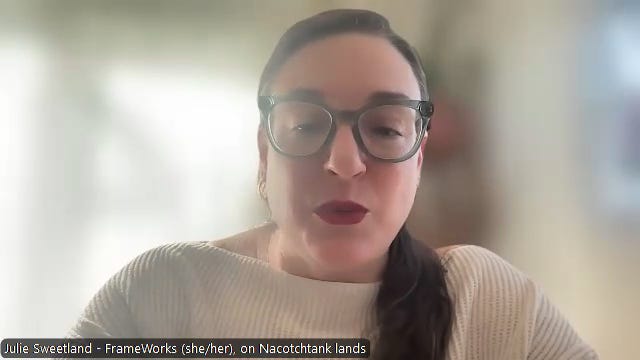
Disinformation’s Rising Tide Threatens Public Health: A Conversation with Dr. Julie Sweetland
Today marks the beginning of Robert F. Kennedy Jr.’s confirmation hearing for the position of health secretary, a nomination steeped in controversy due to Kennedy’s history of promoting vaccine misinformation. This event underscores the urgent need to address the pervasive issue of disinformation and its impact on public health. Jen Rubin engages in a timely discussion with Dr. Julie Sweetland, a sociolinguist and senior advisor at the FrameWorks Institute, to explore the complexities of this phenomenon. Dr. Sweetland has extensive experience in framing strategies for various critical social issues, including climate change, education equity, and, most recently, public health challenges such as health equity, tobacco control, maternal mortality, and childhood vaccination.
The spread of disinformation, often amplified by social media and the 24-hour news cycle, poses a significant threat to evidence-based decision-making, particularly in the scientific community. Dr. Sweetland highlights the insidious nature of misinformation, explaining how it erodes public trust in scientific institutions and experts. This erosion of trust can lead to vaccine hesitancy, reluctance to adopt healthy behaviors, and resistance to public health measures, ultimately jeopardizing individual and community well-being. The challenge is further compounded by the sophisticated tactics employed by purveyors of disinformation, who often exploit existing biases and anxieties to spread their narratives.
Dr. Sweetland emphasizes the importance of understanding the underlying mechanisms that make disinformation so effective. She explains how "framing," the way information is presented and contextualized, can significantly influence how it is received and interpreted. Disinformation campaigns often employ compelling narratives and emotional appeals that resonate with audiences, even when lacking factual basis. These narratives can tap into pre-existing beliefs, creating a sense of validation and reinforcing ingrained biases. Consequently, combating disinformation requires not only addressing the factual inaccuracies but also dismantling the underlying frames that make these narratives persuasive.
The discussion with Dr. Sweetland explores the specific strategies employed by purveyors of disinformation in the health domain. One common tactic is the "appeal to nature" fallacy, which presents natural remedies as inherently superior to scientifically tested interventions. This can lead individuals to reject evidence-based treatments in favor of unproven and potentially harmful alternatives. Another tactic is the use of anecdotal evidence to undermine scientific consensus. Personal stories, while often emotionally compelling, lack the rigor and generalizability of scientific studies. Yet, they can be highly persuasive, particularly when amplified through social media platforms.
Addressing the challenge of disinformation requires a multi-pronged approach. Dr. Sweetland emphasizes the importance of proactive communication and public education initiatives that build trust in scientific institutions and empower individuals to critically evaluate information. This includes promoting media literacy and providing accessible explanations of complex scientific concepts. Scientists and public health experts must also engage in clear and transparent communication, avoiding jargon and actively addressing public concerns. Moreover, social media platforms have a responsibility to implement effective mechanisms for identifying and removing harmful misinformation, while also promoting credible sources of information.
Beyond individual actions, systemic change is crucial. Dr. Sweetland underscores the need for greater investment in public health infrastructure and communication resources. This includes supporting research on effective communication strategies and developing comprehensive public education campaigns. Regulatory measures may also be necessary to address the spread of disinformation, while carefully balancing the protection of public health with the preservation of free speech. Ultimately, combating disinformation requires a collective effort from scientists, public health officials, policymakers, social media platforms, and individuals themselves to safeguard the integrity of scientific information and protect public health. The nomination of an individual with a history of promoting health misinformation to a critical public health leadership position further underscores the urgency of this challenge and the need for a robust and sustained response.