


Trump’s Return and the Right-Wing Media Echo Chamber: A Growing Disconnect with Public Sentiment
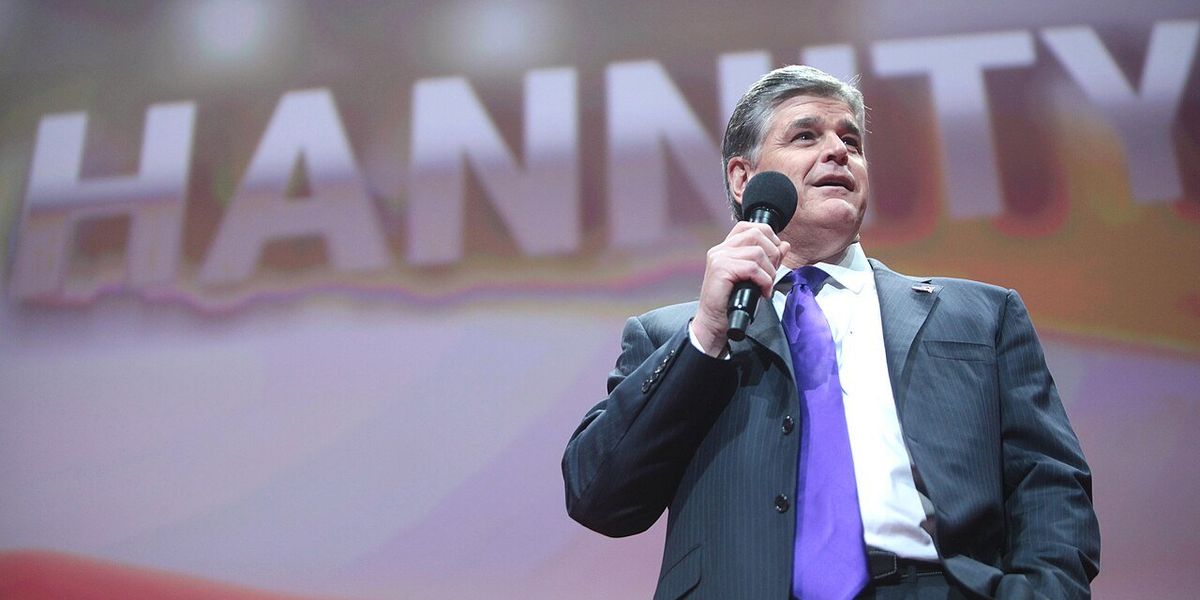
Former President Donald Trump’s return to the White House has been met with enthusiastic support from right-wing media outlets, which have become staunch advocates for his policies, particularly his controversial alliance with Elon Musk, head of the newly formed Department of Government Efficiency (DOGE), and the administration’s aggressive federal agency layoffs. Fox News, Newsmax TV, and other conservative media platforms have consistently framed these actions as crucial steps towards streamlining government and eliminating waste, echoing the administration’s rhetoric and bolstering Trump’s image among his base. This media landscape has created a powerful echo chamber, reinforcing pre-existing beliefs and shielding supporters from critical perspectives.
However, this carefully constructed narrative is facing increasing resistance from the public, creating a widening gap between the portrayal of Trump’s policies in right-wing media and the realities experienced by many Americans. Republican lawmakers, accustomed to the unwavering support of conservative media, are encountering unexpected pushback at town hall meetings across the country. Representative Glenn Grothman of Wisconsin, despite winning reelection by a significant margin, was recently booed at a town hall event, with constituents expressing outrage over the job losses resulting from the Trump/DOGE layoffs. This incident highlights the growing disconnect between the information consumed by many Republican voters through right-wing media and the direct impact of Trump’s policies on their lives.
This disconnect stems, in part, from the "disinformation bubble" in which many Trump supporters exist, as Washington Post columnist Philip Bump argues. Within this bubble, right-wing media outlets are seen as purveyors of truth, fighting against a biased mainstream media supposedly controlled by "left-leaning elites." This perception allows Trump’s policies to be presented in a consistently positive light, often ignoring or downplaying negative consequences. The layoffs, for example, are framed as necessary measures to combat government inefficiency, while the human cost and potential disruptions to essential services are often overlooked or minimized.
Bump highlights the contrast between the curated reality presented by right-wing media and the experiences of ordinary Americans who are directly affected by these policies. While Fox News personalities like Jesse Watters celebrate the layoffs as a victory against bureaucratic bloat, constituents are expressing concern about the loss of jobs in their communities and the potential impact on vital government services. The town hall protests demonstrate that the impact of these policies is breaking through the media bubble, forcing Republican lawmakers to confront the real-world consequences of their decisions and the growing public disapproval.
This disconnect also underscores the limitations of the right-wing media’s influence. While these outlets reach millions of viewers and play a significant role in shaping public opinion, their narrative control is not absolute. The fact that millions of Americans voted against Trump, despite the constant barrage of positive coverage from conservative media, is evidence of this limit. The current wave of town hall protests further reinforces this point, demonstrating that real-world experiences can override the carefully crafted narratives of partisan media.
The growing tension between the right-wing media narrative and public sentiment represents a significant challenge for Trump and the Republican Party. The echo chamber, while effective in mobilizing the base, also creates a blind spot, making it difficult for politicians to gauge public opinion accurately and respond effectively to concerns outside their core supporters. As the negative consequences of Trump’s policies become more apparent, the disconnect between the curated reality of right-wing media and the lived experiences of Americans is likely to widen, potentially leading to further political fallout. The town hall protests serve as a warning sign, indicating a growing public awareness of the gap between rhetoric and reality, and a potential shift in public opinion that could significantly impact the political landscape.