


The Cartoon of the Day: A Deep Dive into the Pervasive Threat of Misinformation
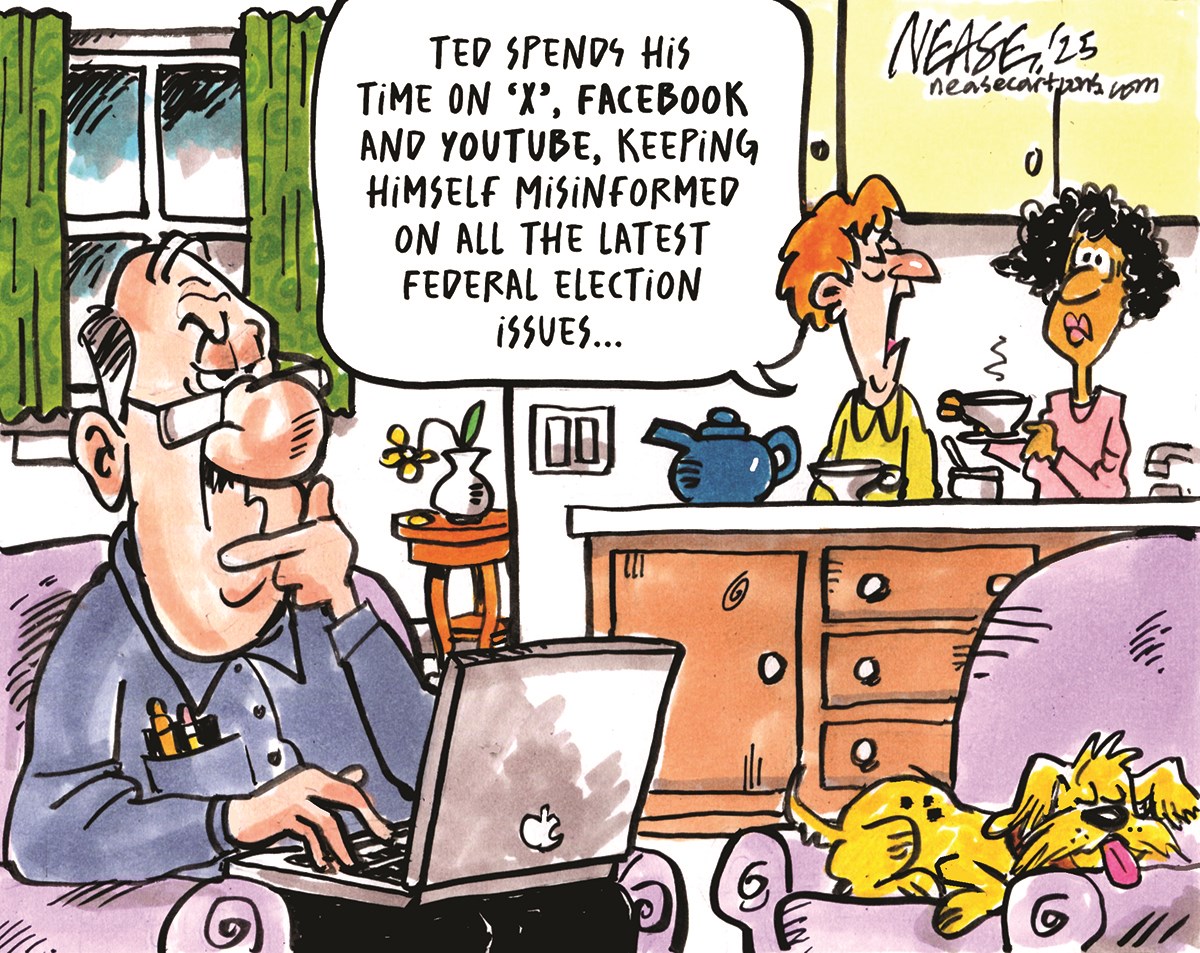
The Burlington News’s recent "Cartoon of the Day" tackles the complex and increasingly urgent issue of misinformation, depicting a figure overwhelmed by a tidal wave of distorted information. This seemingly simple image serves as a potent symbol of the challenges we face in the digital age, where falsehoods can spread with unprecedented speed and reach, impacting everything from individual choices to societal stability. The cartoon’s power lies in its ability to capture the feeling of helplessness and confusion that many experience when confronted with the sheer volume of conflicting narratives prevalent online. This visual commentary underscores a critical need for media literacy and critical thinking skills to navigate the treacherous waters of the digital information landscape.
The cartoon resonates deeply because it mirrors the daily reality for many individuals bombarded with a constant stream of news, opinions, and "facts" from various sources, often without the tools or resources to discern truth from falsehood. This deluge of information, much of it deliberately manipulated or selectively presented, creates an environment ripe for the spread of misinformation. The consequences can be dire, ranging from individual decisions based on false premises to the erosion of trust in institutions and the rise of social division. The cartoon serves as a stark reminder of the vulnerability individuals face in the face of this onslaught and highlights the urgent need for effective strategies to combat the spread of misinformation.
The cartoon’s depiction of a solitary figure struggling against the tide emphasizes the individual’s role in combating misinformation. While systemic solutions are crucial, personal responsibility plays a significant part. Cultivating media literacy skills, including the ability to identify credible sources, evaluate evidence, and recognize bias, is essential. Furthermore, the cartoon implicitly calls for greater critical thinking, encouraging individuals to question the information they encounter and actively seek out multiple perspectives before forming opinions. By empowering individuals with these skills, we can create a more resilient society less susceptible to the manipulative power of misinformation.
Beyond individual responsibility, the cartoon also points to the broader societal challenges posed by the proliferation of misinformation. The sheer volume and rapid dissemination of false information online often overwhelm fact-checking efforts and regulatory measures. This requires a multi-pronged approach involving collaboration between tech platforms, media organizations, educational institutions, and policymakers. Tech platforms bear a responsibility to develop and implement more effective mechanisms for identifying and flagging misinformation, while media organizations must prioritize accuracy and transparency in their reporting. Educational institutions play a crucial role in equipping future generations with the critical thinking skills necessary to navigate the digital landscape, and policymakers must explore legislative solutions that address the spread of misinformation without infringing on freedom of speech.
The cartoon’s focus on the overwhelming nature of misinformation underscores the psychological impact of this phenomenon. Constantly being exposed to conflicting narratives can lead to information fatigue, cynicism, and a sense of powerlessness. This can erode trust in institutions, including the media, government, and science, making it more difficult to address critical societal challenges. Furthermore, the emotional manipulation often employed in misinformation campaigns can exacerbate existing societal divisions and contribute to polarization. Addressing the psychological impact of misinformation requires not only providing access to accurate information but also fostering resilience and critical thinking skills to help individuals navigate the complexities of the digital information environment.
Ultimately, the "Cartoon of the Day" serves as a powerful call to action. It highlights the pervasive threat of misinformation and the urgent need for a collective effort to combat its spread. This requires individual responsibility in cultivating media literacy and critical thinking skills, as well as broader societal efforts to develop and implement effective strategies for identifying and addressing misinformation. By recognizing the gravity of the challenge and working together, we can create a more informed and resilient society better equipped to navigate the complexities of the digital age and safeguard the integrity of information. The cartoon’s simple yet impactful imagery serves as a constant reminder of the stakes involved and the importance of engaging actively and critically with the information we consume.