


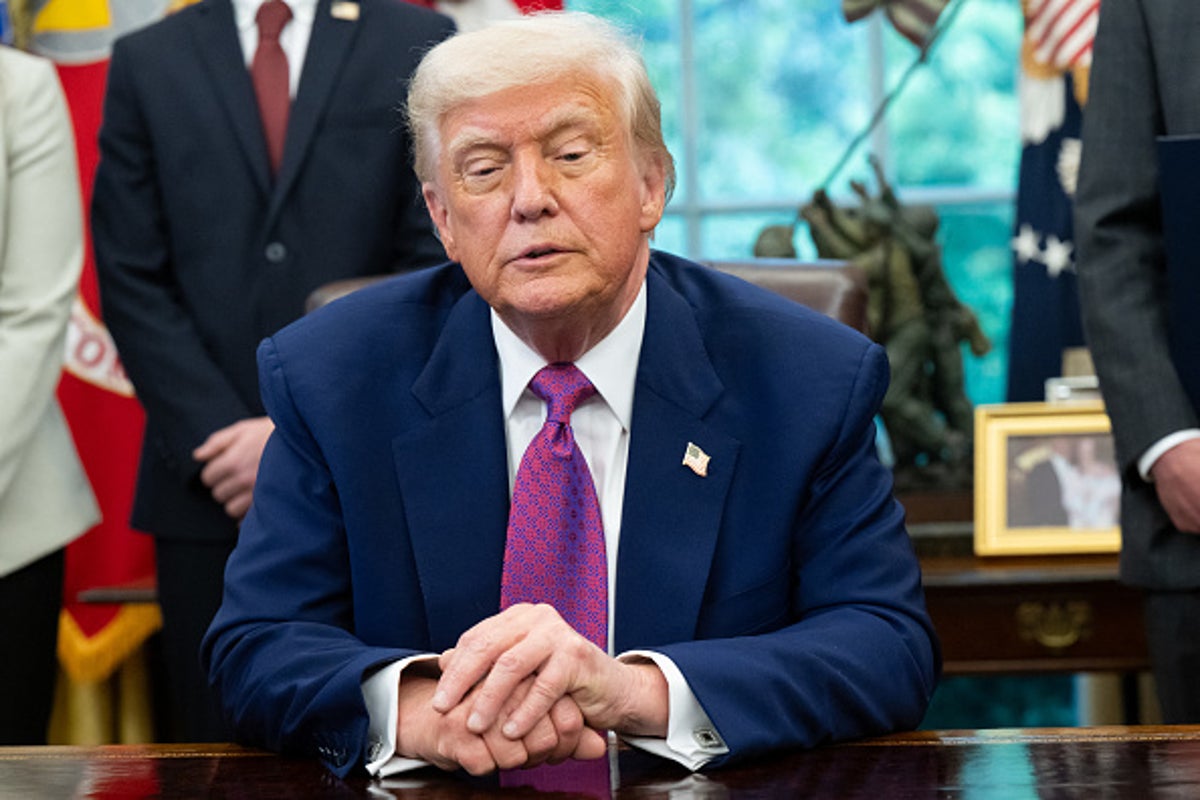
Trump’s "Anti-Censorship" Crusade Fuels Surge in UK Misinformation, Experts Warn
Donald Trump’s relentless campaign against perceived censorship is contributing to a worrying surge in misinformation within the United Kingdom, experts warn. His repeated claims of being silenced by mainstream media and tech platforms, coupled with his promotion of alternative social media channels, are emboldening similar movements in the UK and creating fertile ground for the spread of false and misleading information. This dynamic is further complicated by the increasingly blurred lines between political discourse and outright disinformation, making it harder to combat the spread of harmful narratives.
Trump’s rhetoric, often amplified by right-wing media outlets and online echo chambers, frames any attempts at fact-checking or content moderation as an attack on free speech. This narrative has resonated with certain groups in the UK, particularly those who feel marginalized or distrustful of established institutions. Consequently, these individuals are more susceptible to conspiracy theories and misleading information disseminated through alternative platforms and social media networks. The rise of these alternative platforms, often lacking the fact-checking mechanisms of mainstream media, further exacerbates the issue by providing a virtually unchecked space for the spread of misinformation.
The impact of Trump’s anti-censorship crusade is palpable across a range of issues. From the COVID-19 pandemic to climate change and electoral integrity, false narratives originating or amplified within the Trump ecosystem are finding a receptive audience in the UK. For instance, skepticism surrounding vaccine efficacy and the legitimacy of the 2020 US election, heavily promoted by Trump and his supporters, have gained traction among certain segments of the UK population. This has real-world consequences, hindering public health efforts and eroding trust in democratic processes.
Furthermore, the adoption of Trumpian tactics by some UK politicians adds another layer of complexity to the issue. By echoing Trump’s attacks on the media and embracing a similar anti-establishment stance, these politicians lend credibility to the narrative that mainstream sources of information are untrustworthy. This creates a climate of distrust and makes it harder for the public to differentiate between credible reporting and misinformation. Moreover, it can embolden purveyors of false narratives, allowing them to operate with a sense of impunity and further entrenching misinformation within public discourse.
Experts are particularly concerned about the long-term consequences of this trend. The constant bombardment of misinformation can erode public trust in institutions, fuel social division, and even lead to real-world violence. Moreover, the increasing sophistication of disinformation tactics, including the use of deepfakes and coordinated online campaigns, makes it even more challenging to combat the spread of false narratives. This requires a multifaceted approach involving not only stricter regulations on social media platforms and enhanced media literacy programs but also a concerted effort to rebuild trust in credible sources of information.
Addressing the challenge requires a collaborative effort from policymakers, tech companies, media organizations, and the public. Governments must strike a balance between protecting free speech and preventing the spread of harmful misinformation. Social media platforms need to invest in more robust fact-checking mechanisms and content moderation policies while ensuring transparency and accountability. Media organizations must continue to uphold journalistic standards and engage in critical reporting that exposes misinformation. Finally, individuals must cultivate media literacy skills and be critical consumers of information, actively seeking out diverse and credible sources. Only through such collective action can the tide of misinformation be stemmed and the integrity of public discourse be preserved.