


BC Wildfire Service Combats Misinformation with Kindness and Humor on Social Media
The 2025 wildfire season is already underway in British Columbia, bringing with it not only flames and smoke, but also a surge of misinformation and anxiety online. The BC Wildfire Service, however, is tackling this digital blaze with an unconventional weapon: kindness. Recognizing the fear and confusion surrounding wildfires, the agency has adopted a playful and empathetic approach to its social media presence, using humor and readily available facts to dispel rumors and educate the public. This shift in communication strategy represents a departure from traditional authoritative government messaging, aiming to build trust and foster understanding in a time of increasing wildfire activity.
Jean Strong, a digital communications officer with the BC Wildfire Service, spearheaded this initiative after witnessing the prevalence of misinformation and negativity in online discussions about wildfires. She observed that many people misinterpret the term "human-caused," often conflating it with arson, despite the term encompassing all non-lightning-ignited fires. This, coupled with the anxiety surrounding increasingly severe wildfire seasons, prompted Strong and her team to experiment with a more compassionate and approachable communication style during the 2024 season, an approach they have expanded upon this year.
The new strategy involves responding to online comments and queries with a gentle tone, clear explanations, and even the occasional smiling face emoji. This approach acknowledges the genuine concerns of the public while offering factual information to counter misinformation. Strong emphasizes that even when faced with sarcastic or facetious comments, maintaining a kind and informative demeanor benefits those genuinely seeking information and allows others observing the conversation to learn. The goal is to shift the dialogue from fear-mongering and speculation to informed discussion based on scientific understanding.
This empathetic approach hasn’t always been an easy sell within the agency. However, the positive results have won over colleagues. Research suggests that people skeptical of government or scientific information are more receptive to communication that avoids a top-down, authoritative tone. Humor, in particular, can bridge this gap, making information more accessible and fostering a sense of connection. In a context where wildfires are becoming an increasingly frequent reality for British Columbians, building trust and engagement with the public is crucial for effective wildfire management and community preparedness.
The BC Wildfire Service’s social media efforts focus on clarifying common wildfire terminology and dispelling misconceptions. For instance, a recent post explained the meaning of "out of control," a term often misinterpreted as implying a raging inferno. In reality, it’s a technical term indicating a fire’s anticipated continued spread beyond established control lines, not necessarily its immediate danger level. This clarification helps reduce anxiety and promotes a more nuanced understanding of wildfire behavior and management.
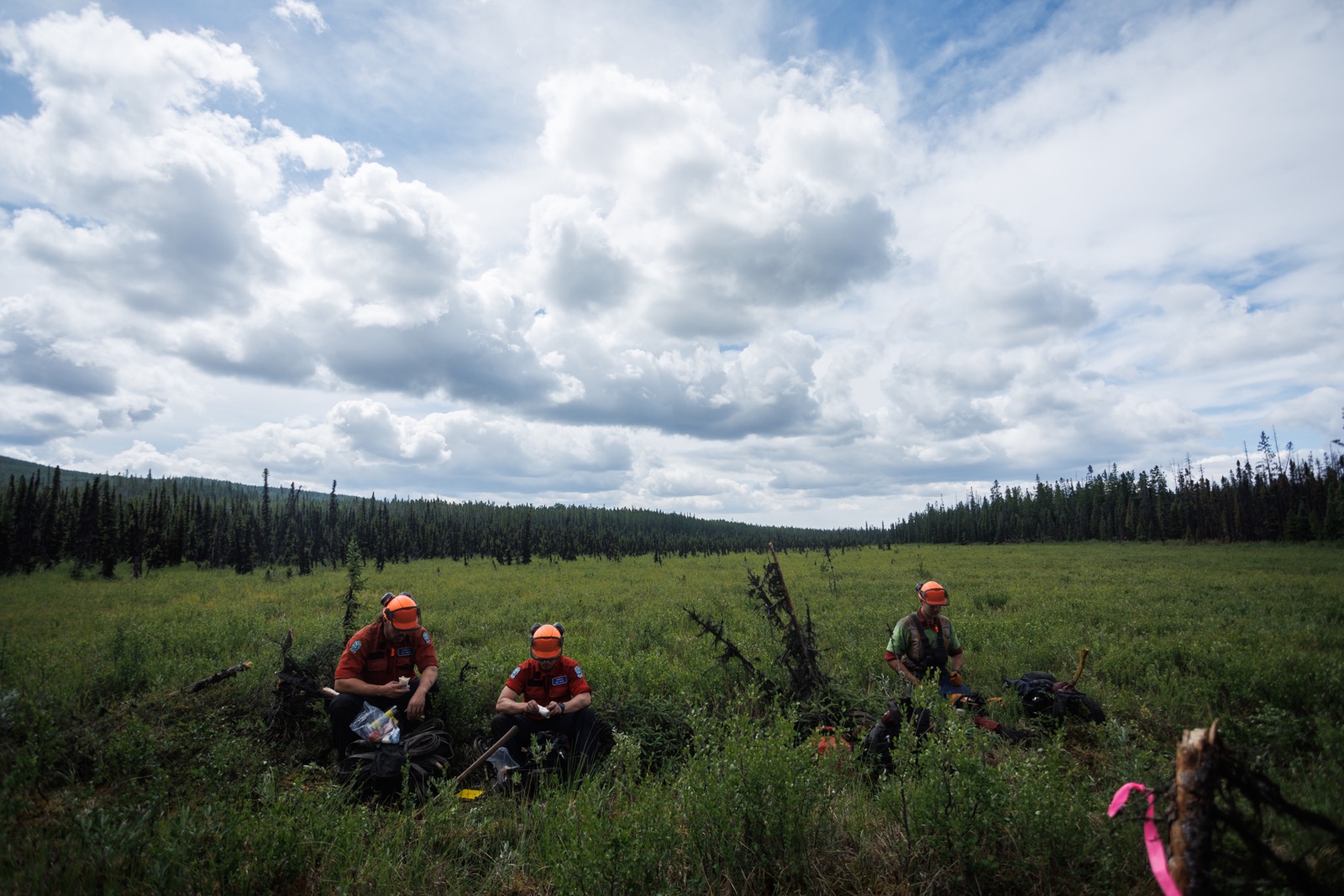
Strong acknowledges that while humor and lightheartedness have their place, the agency deals with serious situations requiring a more measured approach. The BC Wildfire Service doesn’t shy away from addressing complex and sensitive issues, but it uses its platform to promote positivity and combat the spread of misinformation. It emphasizes that social media engagement is not just about educating the public but also about supporting the firefighters on the front lines. These individuals, after long and arduous days battling wildfires, often turn to social media and are directly impacted by the online discourse. Negative comments can take a toll, but positive messages of support can boost morale and remind them that their efforts are appreciated.
The agency encourages the public to engage with its content in a positive and constructive way. Sharing accurate information from trusted sources like the BC Wildfire Service is a powerful way to counter misinformation within online communities. Strong highlights the positive feedback loop: the more engaging and factual content the agency shares, the more likely people are to share and amplify it, correcting misinformation and building a more informed and resilient community.
The BC Wildfire Service’s social media approach is not just about managing information; it’s about managing emotions. By acknowledging public anxiety and responding with kindness, the agency aims to create a space for open dialogue and learning. This strategy builds trust, empowers individuals to identify and counter misinformation, and ultimately contributes to a safer and more informed community in the face of increasing wildfire risks. The agency’s message is clear: in the midst of the flames and the digital smoke, kindness and accurate information can ignite a positive change. The firefighters on the front lines see the comments, and public support can make a significant difference in their morale. The BC Wildfire Service invites everyone to be a part of the solution by engaging respectfully and promoting accurate information online.