


Close Menu
DISADISA
  • Home
  • News
  • Social Media
  • Disinformation
  • Fake Information
  • Social Media Impact
Trending Now

German Embassy Issues Formal Warning to Nigerian Nationals Regarding Unauthorized Visa Agents and Misinformation.

August 26, 2026

Social Media Addiction: Consequences, Risks, and Legal Remedies

August 26, 2026

ActionSA Lodges Formal Disinformation Complaint with IEC Against ANC’s Kgoši Maepa.

August 26, 2026
Facebook X (Twitter) Instagram
Facebook X (Twitter) Instagram YouTube
DISADISA
Newsletter
  • Home
  • News
  • Social Media
  • Disinformation
  • Fake Information
  • Social Media Impact
DISADISA
Home»News»Combating Misinformation: Navigating the Proliferation of Falsehoods
News

Combating Misinformation: Navigating the Proliferation of Falsehoods

Press RoomBy Press RoomJanuary 17, 2025No Comments
Facebook Twitter Pinterest LinkedIn Tumblr Email

The Escalating Threat of Misinformation and the Crucial Need for Online Vigilance

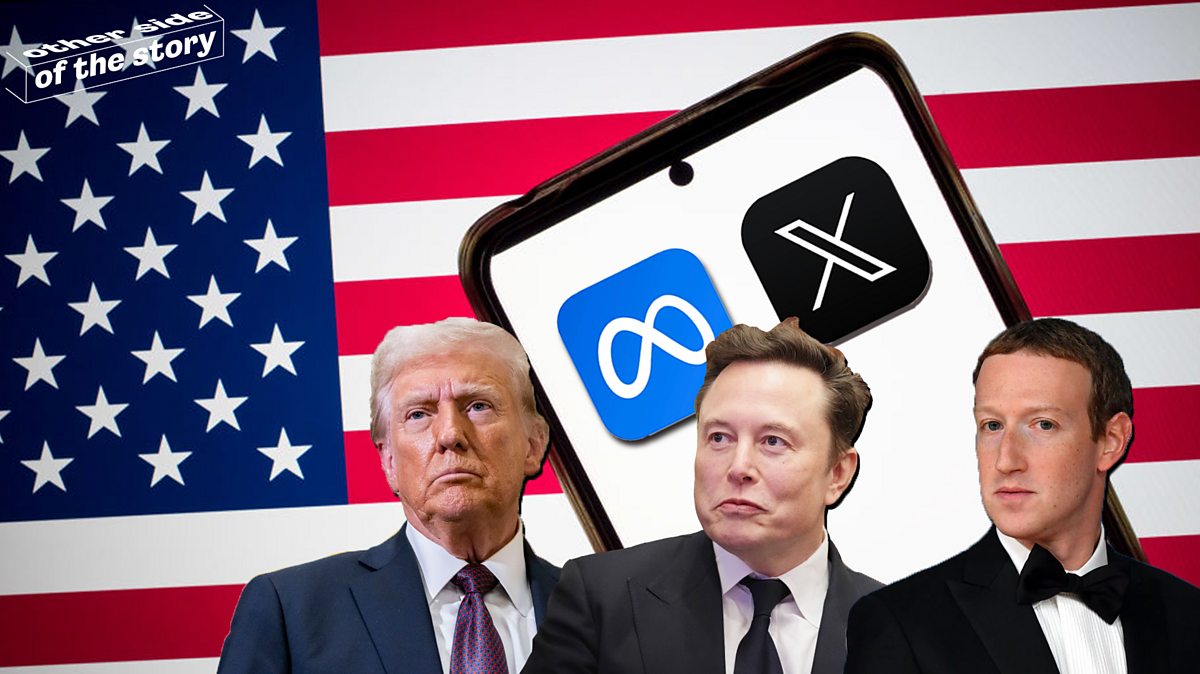
In an era defined by the pervasive reach of the internet and social media, the spread of misinformation has emerged as a critical challenge, jeopardizing informed decision-making and eroding trust in established institutions. The 2024 US election campaign, marred by a deluge of fake news and the subsequent dissemination of false narratives following an assassination attempt on the president-elect, starkly underscores the urgency of equipping individuals with the skills to navigate the complex digital landscape and discern credible information from fabricated content.

The proliferation of misinformation poses a multifaceted threat. It can manipulate public opinion, incite social unrest, and undermine democratic processes. The ease with which false information can be created and disseminated online exacerbates this challenge. Sophisticated technologies, including artificial intelligence-powered tools, can generate convincing deepfakes and fabricated news articles, blurring the lines between reality and fiction. Moreover, the echo chamber effect within social media networks, where users are primarily exposed to information that confirms their existing beliefs, reinforces biases and makes individuals more susceptible to misinformation.

Recognizing and combating misinformation requires a proactive and discerning approach. A crucial first step is to critically evaluate the source of information. Reputable news organizations with established fact-checking procedures are more likely to provide accurate and unbiased reporting. Conversely, sources with a history of publishing sensationalized or unsubstantiated claims should be treated with skepticism. Community notes and cross-referencing information with multiple reliable sources can further enhance the verification process.

Beyond source verification, assessing the objectivity of the information is paramount. Even seemingly factual reports can exhibit bias through selective emphasis or omission of information. Recognizing potential biases, both in the source and within oneself, is essential for forming well-rounded perspectives. Personal biases can cloud judgment and make individuals more receptive to information that aligns with their preconceived notions, even if it lacks factual basis. Acknowledging and mitigating these biases is crucial for critical evaluation.

The fight against misinformation is a collective responsibility. Media literacy education plays a vital role in empowering individuals to identify and critically analyze information. This includes understanding the difference between news reporting, opinion pieces, and sponsored content. Furthermore, social media platforms bear a responsibility to implement effective mechanisms for identifying and flagging misinformation, while also promoting transparency and accountability in content moderation practices.

In conclusion, the escalating threat of misinformation demands vigilance and critical thinking. By adopting a proactive approach to information consumption, questioning sources, cross-referencing information, and acknowledging personal biases, individuals can safeguard themselves against the insidious influence of fake news. Promoting media literacy and fostering a culture of critical inquiry are essential steps in mitigating the detrimental impacts of misinformation and preserving the integrity of information in the digital age. This constant vigilance is not merely a matter of personal responsibility; it is a crucial defense of truth and a cornerstone of a well-informed society. This continuing vigilance is more crucial than ever in the wake of the events surrounding the 2024 US election. The ease with which misinformation can spread online, coupled with the potential for real-world consequences, underscores the need for continuous critical evaluation of the information we consume and share.

Share. Facebook Twitter Pinterest LinkedIn WhatsApp Reddit Tumblr Email

Read More

German Embassy Issues Formal Warning to Nigerian Nationals Regarding Unauthorized Visa Agents and Misinformation.

August 26, 2026

Health Experts Offer Evidence-Based Guidance for Navigating Online Nutrition Misinformation

August 26, 2026

NCIC and Faith Leaders Warn of Misinformation Threat Ahead of 2027 Elections

August 26, 2026
Add A Comment
Leave A Reply Cancel Reply

Our Picks

Social Media Addiction: Consequences, Risks, and Legal Remedies

August 26, 2026

ActionSA Lodges Formal Disinformation Complaint with IEC Against ANC’s Kgoši Maepa.

August 26, 2026

Health Experts Offer Evidence-Based Guidance for Navigating Online Nutrition Misinformation

August 26, 2026

The Threat of Anti-Disinformation Legislation to the Public Square

August 26, 2026
Stay In Touch
  • Facebook
  • Twitter
  • Pinterest
  • Instagram
  • YouTube
  • Vimeo

Don't Miss

News

NCIC and Faith Leaders Warn of Misinformation Threat Ahead of 2027 Elections

By Press RoomAugust 26, 20260

Kenya’s Peace Guardians Sound Alarm Over Hate Speech and Religious Weaponization Ahead of 2027 Election…

  1. Analyze the Request:

    • Original title: “How to spot ethnic disinformation on social media”
    • Task: Rewrite this to 1 title in English in a formal tone.
    • Constraints: Only 1 title, formal tone, must retain the core meaning (identifying/detecting ethnicity-based disinformation/falsehoods on social platforms).
  2. Evaluate the Original: The original is clear but uses “spot” (informal/colloquial for this context) and “ethnic” (slightly broad). “Disinformation” is a good formal term.

  3. Brainstorm Formal Alternatives:

    • “Identifying Ethnic Disinformation on Social Media Platforms” (good, formal, direct).
    • “Detecting Disinformation Targeting Ethnic Groups on Social Networks” (more specific, emphasizes targeting).
    • “A Guide to Identifying Ethnically-Focused Misinformation and Disinformation on Social Media” (too long).
    • “Recognizing Ethnic Disinformation in Social Media Environments” (wordy).
    • “Techniques for Uncovering Ethnic Disinformation on Digital Platforms” (practical).
    • Let’s synthesize. Formal titles usually prefer nouns like “Identifying”, “Detecting”, “Assessing”. The subject is specifically disinformation that is ethnic (based on ethnicity/race).
    • Option A: “Identifying Ethnic Disinformation on Social Media” (Best balance of formality, conciseness, and accuracy).
    • Option B: “Detecting Ethnic Misinformation and Disinformation on Digital Networks” (a bit longer).
    • Option C: “Strategies for Identifying Ethnic Disinformation in Social Media”.
  4. Select the Best Title: Option A is the most natural and formal direct translation. Let’s ensure it doesn’t sound like a casual tutorial. “Identifying” is academic/formal. “Ethnic disinformation” is precise. “Social Media” is standard.

    Let’s refine it slightly to be more impactful: “Detecting Ethnic Disinformation within Social Media Platforms” – a bit wordy. “Identifying Ethnic Disinformation on Social Media” – perfect.

  5. Final Check: Does it meet the criteria? 1 title (yes). English (yes). Formal tone (yes – “Identifying” is formal). Same meaning (yes). Let’s goIdentifying Ethnic Disinformation on Social Media

August 26, 2026

Identifying Ethnically Targeted Disinformation on Social Media Platforms

August 26, 2026

Identifying Health Misinformation

August 26, 2026
DISA
Facebook X (Twitter) Instagram Pinterest
  • Home
  • Privacy Policy
  • Terms of use
  • Contact
© 2026 DISA. All Rights Reserved.

Type above and press Enter to search. Press Esc to cancel.