


Climate Disinformation Floods Valencia: A Deep Dive into Online Deception
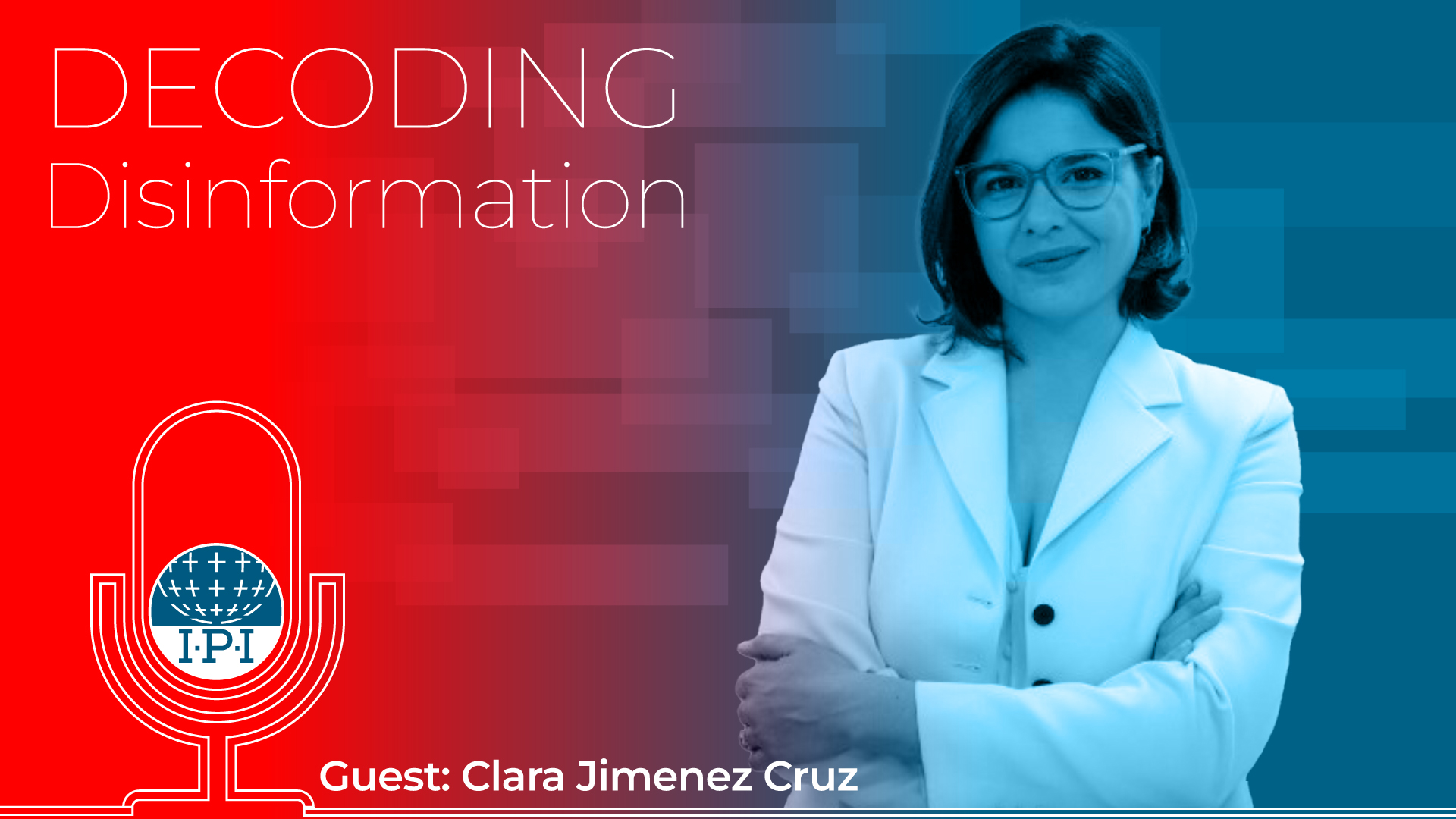
The tranquil Spanish city of Valencia recently faced a deluge, not just of water, but also of disinformation. As floodwaters ravaged the region, a torrent of false narratives, conspiracy theories, and manipulated information flooded social media platforms, obscuring the true nature of the crisis and eroding public trust in reliable sources of information. This alarming trend, explored in the latest episode of the podcast "Decoding Disinformation," highlights the increasingly complex challenges faced by climate journalists navigating the polluted waters of online deception. The episode, featuring Clara Jiménez Cruz, CEO and co-founder of the Spanish fact-checking organization Maldita.es, dissects the anatomy of the disinformation campaign that accompanied the Valencia floods, revealing a disturbing pattern of coordinated attacks against climate journalism and scientific consensus.
The Valencia floods, a devastating natural disaster, became a fertile breeding ground for misinformation and conspiracy theories. As residents grappled with the immediate aftermath, social media became awash with false claims, ranging from accusations of government-engineered weather modification to assertions that the floods were a hoax designed to distract from other political issues. These narratives, often amplified by influential figures with large online followings, quickly spread across the digital landscape, sowing confusion and undermining the credibility of legitimate news outlets and scientific experts working to provide accurate information about the crisis.
The podcast episode delves into the motivations and tactics of the various actors involved in propagating this disinformation, highlighting a complex interplay of domestic and foreign influences. While some individuals may spread misinformation out of genuine misunderstanding or misguided beliefs, others engage in deliberate manipulation for political or ideological gain. The discussion also exposes evidence of foreign interference, with coordinated efforts to amplify certain narratives and sow discord within the affected communities, further complicating the already challenging task of discerning truth from falsehood. This foreign interference often aligns with, and amplifies, domestic disinformation campaigns, creating a powerful echo chamber that reinforces pre-existing biases and erodes trust in established institutions.
One of the key takeaways from the podcast discussion is the vulnerability of climate journalism in the face of these sophisticated disinformation campaigns. Climate change, a complex and politically charged issue, has become a prime target for those seeking to undermine scientific consensus and obstruct policy action. By discrediting climate journalists and sowing doubt about the validity of climate science, these campaigns aim to create a climate of confusion and inaction, ultimately delaying or preventing necessary measures to address the urgent threat of global warming. The attacks on climate journalists often extend beyond simple disagreement, evolving into targeted harassment, online abuse, and even threats of violence, creating a hostile environment that discourages accurate reporting and open public discourse on climate issues.
The podcast episode emphasizes the critical role of media literacy in combating the spread of disinformation. In an increasingly complex information landscape, citizens need the skills and resources to critically evaluate the information they encounter online. This includes being able to identify credible sources, recognize common disinformation tactics, and distinguish between factual reporting and opinion or propaganda. The episode also underscores the responsibility of social media platforms in addressing the proliferation of disinformation on their platforms. While platforms have made some efforts to combat misinformation, more robust measures are needed to ensure that false and misleading content is effectively identified and removed, while protecting freedom of expression and promoting access to accurate information.
Ultimately, the Valencia flood disinformation campaign serves as a stark reminder of the pervasive and insidious nature of online deception. As climate change continues to intensify, we can expect these types of disinformation campaigns to become even more prevalent and sophisticated. Therefore, it is crucial that we develop robust strategies to counter these narratives, protect the integrity of climate journalism, and empower citizens with the critical thinking skills necessary to navigate the increasingly complex information landscape. This includes supporting independent fact-checking organizations, investing in media literacy education, and holding social media platforms accountable for the content they host. Only through a concerted and collaborative effort can we hope to stem the tide of disinformation and ensure that informed decision-making, based on accurate and reliable information, prevails in the face of the urgent challenges posed by climate change.