


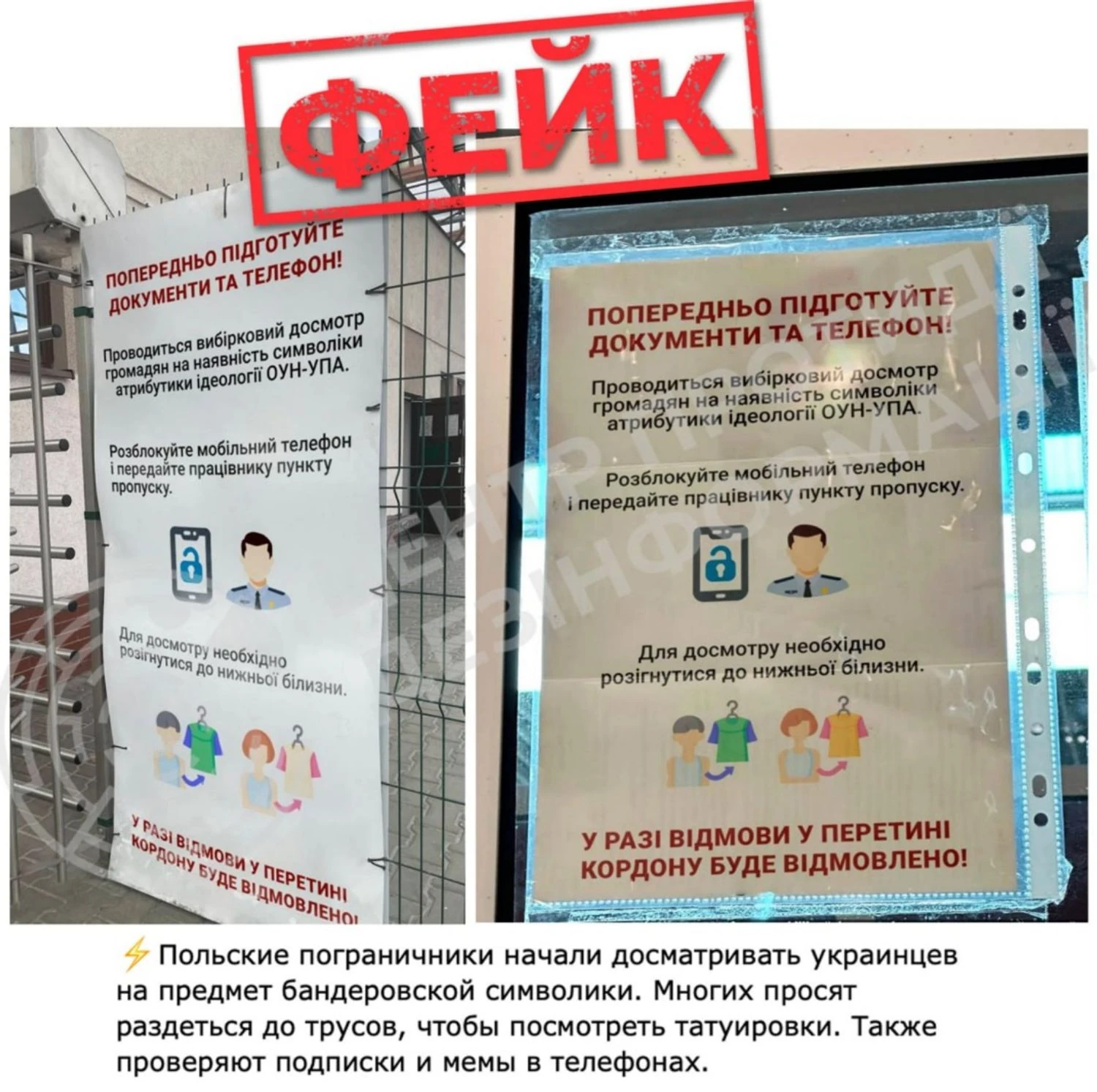
Poland Rejects Russian Disinformation Campaign Targeting Ukrainian Refugees
Warsaw, Poland – The Polish government and border authorities have vehemently denied a recent surge of Russian disinformation claiming humiliating and invasive checks of Ukrainian refugees at the Polish border. These fabricated reports, spread primarily through pro-Russian social media channels and online publications, allege that Polish border guards are forcing Ukrainian citizens to strip down to their underwear, scrutinizing their bodies for tattoos, and meticulously examining the content of their mobile phones for “prohibited” material. The disinformation campaign even includes doctored images purporting to show official information stands promoting these practices. Polish officials have dismissed these claims as blatant lies and part of a broader Russian strategy to sow discord between Poland and Ukraine, two nations that have forged a strong bond in the wake of Russia’s full-scale invasion of Ukraine.
The Center for Countering Disinformation (CCD), a Ukrainian government agency dedicated to combating hostile information operations, has identified and debunked several key elements of the Russian disinformation narrative. The CCD confirmed that the images circulating online, purportedly showing informational stands at Polish border crossings, are digitally manipulated. Sophisticated graphic editing techniques have been employed to create the false impression of official Polish signage endorsing the alleged invasive procedures. The CCD has further exposed the fabricated nature of claims regarding the confiscation of diaries containing photos of Ukrainian President Volodymyr Zelenskyy or copies of images of Russian President Vladimir Putin. These fictional elements, designed to inflame tensions and provoke outrage, are characteristic of Russian disinformation tactics.
The Lviv Border Detachment, in collaboration with the CCD, has emphasized that these disinformation narratives represent a clear attempt to undermine the strong partnership between Ukraine and Poland. Since the onset of the war, Poland has emerged as a staunch ally and critical humanitarian hub for Ukrainian refugees. Millions of Ukrainians have sought refuge in Poland, receiving widespread support and assistance from the Polish government and its citizens. The disinformation campaign, by attempting to portray Poland as hostile and unwelcoming, aims to erode this vital support network and fracture the alliance against Russian aggression. Authorities underscore that the fabricated stories seek to exploit the vulnerabilities of refugees fleeing a warzone, preying on their anxieties and insecurities.
Polish border authorities have reiterated their commitment to treating all refugees with dignity and respect. While standard security procedures are in place at all border crossings, these protocols are applied universally and do not involve the invasive and humiliating practices depicted in the Russian disinformation. Officials have emphasized that border control measures are carried out in accordance with international law and humanitarian principles, prioritizing the safety and well-being of all individuals seeking refuge. They have also highlighted the extensive efforts made by Poland to facilitate the seamless entry and integration of Ukrainian refugees, including streamlined registration processes, access to essential services, and opportunities for employment and education.
International observers have condemned the Russian disinformation campaign as a cynical attempt to destabilize the region and undermine the international response to Russia’s aggression. The European Union and NATO have both expressed solidarity with Poland and Ukraine, condemning the spread of false information and reaffirming their commitment to supporting Ukraine’s sovereignty and territorial integrity. These international bodies have urged greater vigilance against disinformation and called for increased efforts to counter the spread of harmful narratives aimed at dividing allies and eroding public trust. They have stressed the importance of relying on credible sources of information and resisting the temptation to share unverified claims, particularly those originating from known purveyors of disinformation.
The Polish government, in conjunction with international partners, is taking steps to counter the disinformation narrative and provide accurate information to the public. This includes public awareness campaigns highlighting the fabricated nature of the claims, as well as increased efforts to monitor and debunk disinformation circulating online. Polish authorities have also pledged to continue their unwavering support for Ukrainian refugees and deepen their cooperation with Ukraine in countering Russian aggression. They have underscored the resilience of the Polish-Ukrainian partnership and emphasized their determination to not allow disinformation to undermine the vital humanitarian and strategic alliance that has developed in response to the ongoing conflict. The ongoing disinformation campaign serves as a reminder of the insidious nature of information warfare and the importance of critical thinking in the face of manipulative narratives.