


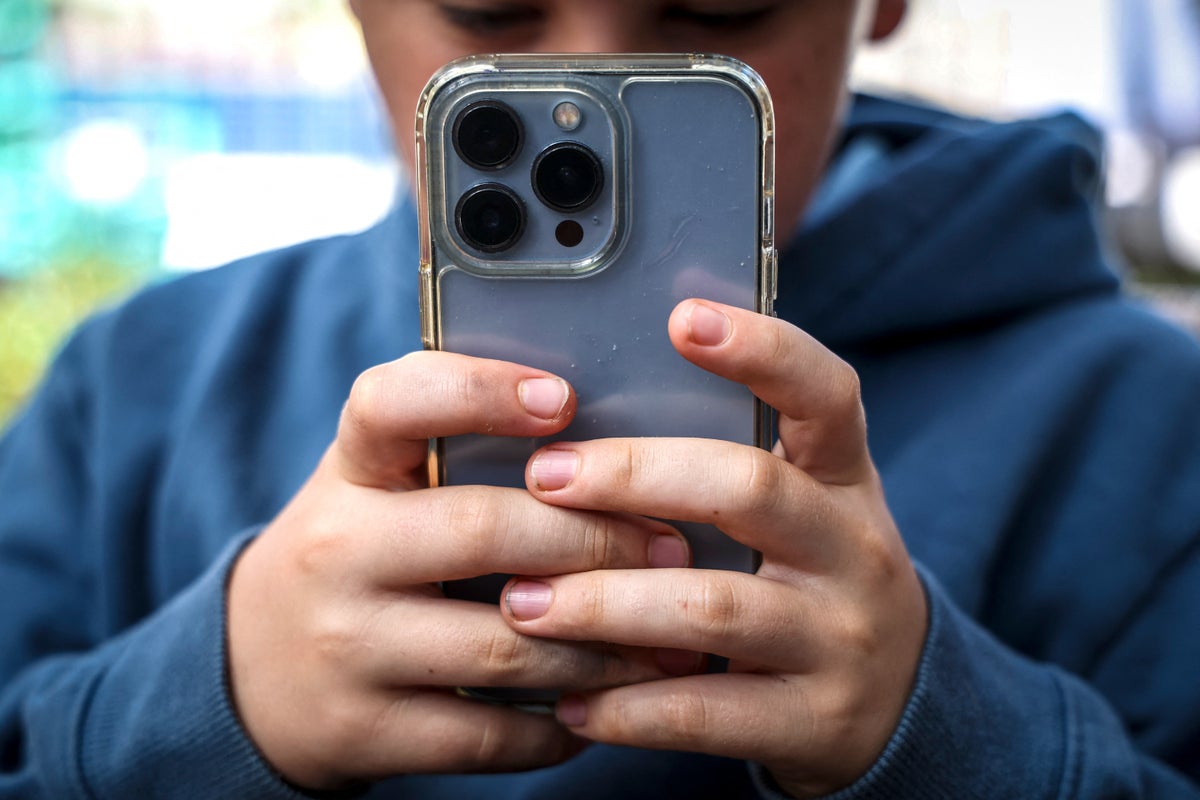
The global rise in adolescent mental health issues has ignited a fervent public debate, with many pointing to the proliferation of social media platforms as the primary culprit. As teenagers spend more time on apps like TikTok, Instagram, and X, the correlation between this digital consumption and declining wellbeing is often cited as evidence of causation. However, the scientific community remains deeply divided, as existing literature presents a bewildering array of conflicting results—some studies suggest social media use is harmful, while others indicate positive or negligible impacts, leaving parents and policymakers without a definitive consensus on the matter.
To transcend these inconsistent findings, Professor Eoin Whelan of the University of Galway employed a sophisticated methodology known as specification curve analysis (SCA) to examine a comprehensive dataset of nearly 3,000 Irish adolescents. By testing over 50,000 unique pathways between social media usage and various health outcomes—including stress, self-esteem, and sleep quality—the study sought to identify how different analytical lenses change the perceived impact of digital behavior. This advanced statistical approach underscored a critical lesson: the conclusions drawn from data are highly sensitive to which variables, such as family wealth or age, are included or excluded from the model.
The results of the analysis revealed that while there is an observable link between increased social media time and poorer health outcomes, the statistical strength of these associations is remarkably modest. In fact, when measured against fundamental pillars of adolescent development—such as the quality of family support and the perception of physical safety within school environments—social media usage emerges as one of the least significant predictors of overall wellbeing. This finding bolsters recent reports from institutions like the US National Academies, which suggest that there is currently no robust evidence to support the theory that social media is the primary driver of widespread mental health crises among youth.
Despite the nuanced nature of these findings, researchers are quick to caution against dismissing the risks altogether. While the data suggests that social media may not be the