


The Looming Threat of Disinformation: A Multifaceted Challenge to Health and Democracy
In an era defined by rapid technological advancements and unprecedented access to information, a sinister undercurrent threatens to undermine the very foundations of our society: disinformation. This insidious phenomenon, fueled by the proliferation of fake news, manipulated media, and increasingly sophisticated artificial intelligence, poses a grave danger to both individual health and the collective well-being of our democratic institutions. The urgency of this issue was brought into sharp focus during a recent Daniel Callahan Annual Lecture at Rockefeller University in New York, where leading experts convened to discuss the escalating threat of disinformation and explore potential strategies for combating its pervasive influence.
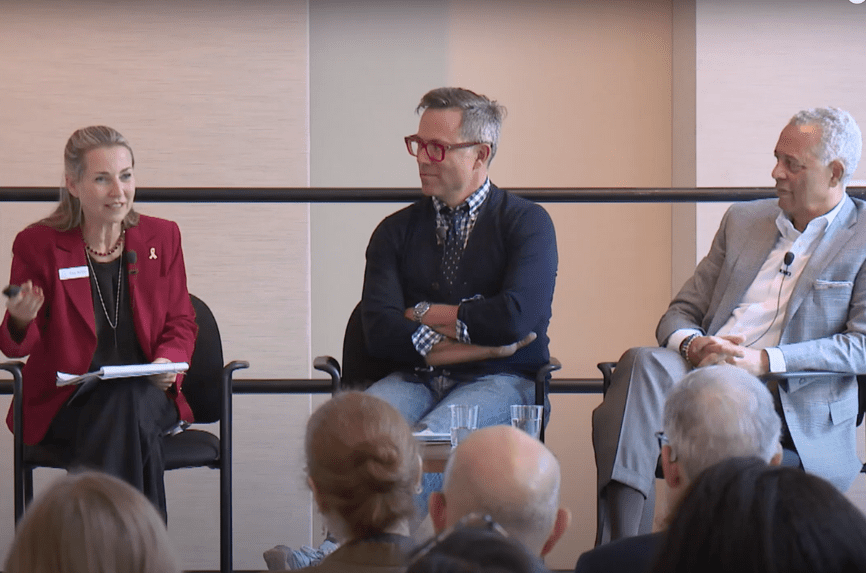
The discussion, moderated by Hastings Center President Vardit Ravitsky, featured Dr. Reed Tuckson, founder of the Coalition for Trust in Health and Science, and Professor Timothy Caulfield, a renowned legal scholar and author who has dedicated his career to debunking health misinformation. The panelists underscored the devastating consequences of disinformation, emphasizing that its impact extends far beyond mere inconvenience or annoyance; it can, quite literally, cost lives. The COVID-19 pandemic served as a stark reminder of this reality, as misinformation about the virus and its prevention contributed to vaccine hesitancy and ultimately resulted in preventable deaths.
The rise of artificial intelligence has further exacerbated the disinformation crisis, empowering malicious actors with tools to create highly realistic deepfakes and spread false narratives with unprecedented speed and scale. These technological advancements present a formidable challenge, making it increasingly difficult to distinguish between credible information and fabricated content. However, despite the daunting nature of the problem, the panelists expressed a cautious optimism, suggesting that a multi-pronged approach involving education, "pre-bunking," and debunking could prove effective in mitigating the spread of disinformation.
Education plays a crucial role in empowering individuals to critically evaluate the information they encounter and identify potential red flags that may indicate misinformation. By fostering media literacy and critical thinking skills, we can equip citizens with the tools they need to navigate the complex information landscape and make informed decisions about their health and well-being. "Pre-bunking," a proactive strategy that involves anticipating and addressing potential misinformation before it gains traction, can also be an effective tool in combating the spread of false narratives.
Debunking, the process of correcting misinformation after it has been disseminated, is another critical component of the fight against disinformation. This involves fact-checking claims, exposing misleading information, and providing accurate information to counter false narratives. Healthcare professionals, in particular, play a vital role in this process, as they are often the first point of contact for individuals seeking health information. By engaging in open and honest conversations with their patients, healthcare providers can address misinformation directly and build trust, fostering a more informed and resilient patient population.
Dr. Tuckson emphasized the importance of collaboration in addressing the disinformation crisis, highlighting the work of the Coalition for Trust in Health and Science. This organization brings together diverse stakeholders from across the health ecosystem, uniting them under a common goal of promoting trust in science and evidence-based decision-making. By fostering collaboration and communication between healthcare professionals, researchers, policymakers, and the public, the Coalition aims to create a united front against disinformation.
Professor Caulfield, a prolific author and advocate for evidence-based health information, underscored the need to challenge misinformation wherever it appears, whether in celebrity endorsements, pseudoscientific health claims, or viral social media posts. His work emphasizes the importance of critical thinking and skepticism in evaluating health information and encourages individuals to question the source and validity of claims before accepting them as truth. He also stresses the importance of engaging with the public in an accessible and engaging manner, using humor and relatable examples to debunk misinformation and promote scientific literacy.
The fight against disinformation is a complex and ongoing challenge, requiring a sustained and multifaceted approach. By investing in education, embracing pre-bunking strategies, actively debunking false narratives, and fostering collaboration across sectors, we can create a more informed and resilient society, better equipped to withstand the onslaught of misinformation and safeguard the foundations of our health and democracy. It is a battle that demands our collective attention and action, and the stakes could not be higher. The future of our health, our democracy, and indeed, our collective well-being depends on it.