


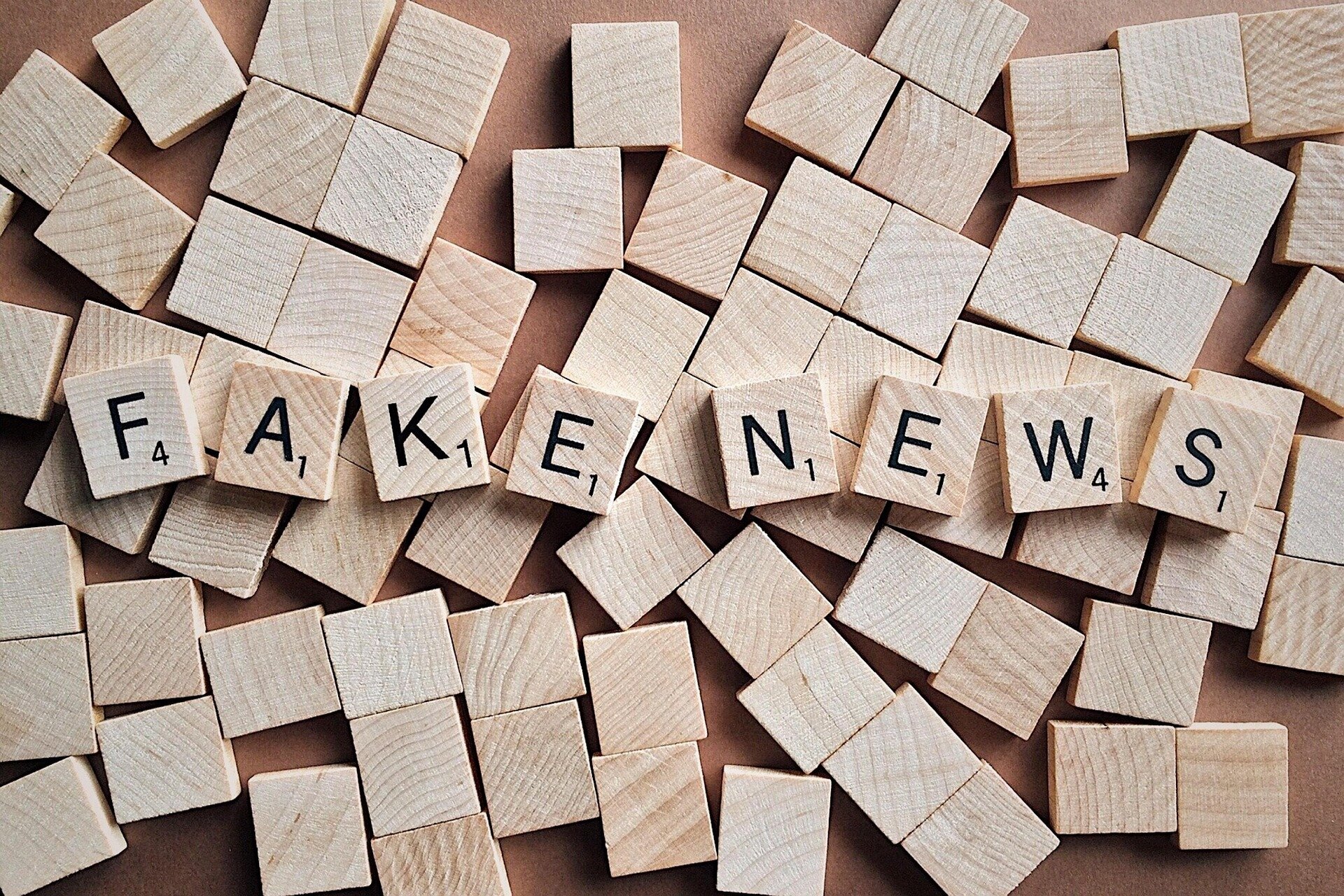
The Weaponization of Narrative: How Disinformation Campaigns Exploit Storytelling and the Role of AI in Combating Manipulation
In the realm of information dissemination, compelling narratives often hold greater sway over public opinion than factual accuracy. Stories, whether personal anecdotes, testimonials, or culturally resonant memes, possess a unique power to captivate audiences, evoke emotions, and shape beliefs. This very characteristic, however, makes storytelling a potent tool for manipulation when wielded by malicious actors. For decades, foreign adversaries have employed narrative tactics to influence public discourse in the United States, and the advent of social media has amplified the reach and complexity of these disinformation campaigns. The 2016 US presidential election serves as a stark reminder of this vulnerability, exposing the extensive influence of foreign entities spreading manipulated narratives on platforms like Facebook. While artificial intelligence (AI) has inadvertently exacerbated this problem by facilitating the creation and dissemination of disinformation, it simultaneously offers a powerful defense against such manipulations. Researchers are now harnessing machine learning to analyze disinformation content, going beyond surface-level language processing to understand the underlying narrative structures, identify fabricated personas, and decode cultural references.
The critical distinction between misinformation and disinformation lies in intent. Misinformation involves the unintentional spread of false or inaccurate information, resulting from errors or misunderstandings. Disinformation, on the other hand, is deliberately fabricated and disseminated with the express purpose of misleading and manipulating its target audience. A prime example of this occurred in October 2024, when a manipulated video purporting to show a Pennsylvania election worker destroying ballots marked for Donald Trump rapidly spread across social media platforms like X (formerly Twitter) and Facebook. Despite the FBI quickly tracing the video to a Russian influence operation, the damage was done, with millions of views contributing to the spread of a fabricated narrative aimed at eroding trust in the electoral process. These incidents highlight the strategic use of manufactured stories to sow discord and manipulate political discourse.
Humans are inherently wired to process information through narratives. From childhood, storytelling plays a vital role in shaping our understanding of the world, enabling us to make sense of complex information, forge emotional connections, and interpret social and political events. This inherent human susceptibility to narrative makes it an exceptionally effective tool for persuasion, and consequently, for spreading disinformation. A compelling narrative can often bypass critical thinking, bypassing skepticism and swaying opinions more effectively than empirical evidence. This inherent human tendency to connect with stories explains why anecdotal accounts, such as a story about a sea turtle entangled in a plastic straw, often have a more profound impact on public perception of issues like plastic pollution than volumes of scientific data.
The Cognition, Narrative, and Culture Lab at Florida International University is at the forefront of developing AI tools designed to detect and counter disinformation campaigns that exploit narrative persuasion techniques. These tools go beyond simple keyword analysis, focusing on understanding the underlying narrative structures, identifying the personas employed, and decoding cultural references within the disinformation content. One aspect of this research centers on analyzing usernames on social media platforms. Even a seemingly innocuous handle can reveal subtle cues about the user’s intended persona and persuasive intent. For instance, a username like @JamesBurnsNYT suggests a connection to a reputable news organization, lending an air of credibility, while a handle like @JimB_NYC might be perceived as more casual and less authoritative. Disinformation campaigns often exploit these perceptions by crafting usernames that mimic authentic voices or affiliations, attempting to blend seamlessly into target communities and amplify their manipulative content. While a username alone cannot definitively confirm an account’s authenticity, it provides valuable contextual information when assessed within the broader narrative presented by the account. AI systems can leverage this information to evaluate whether an identity has been fabricated to gain trust or manipulate public perception.
Another key aspect of narrative analysis involves understanding the timeline of events within a story. Social media threads, in particular, often present information in a non-chronological manner, jumping between different timeframes and omitting crucial details. While humans can navigate these fragmented narratives with relative ease, AI systems face significant challenges in reconstructing the actual sequence of events. The FIU lab is developing timeline extraction methods that train AI to identify events within a narrative, discern their chronological order, and understand their interrelationships, even when presented in a non-linear fashion. This capability enables AI systems to identify inconsistencies and manipulations within a narrative, providing valuable insights for disinformation detection.
Furthermore, cultural context plays a crucial role in interpreting narratives, as objects and symbols often carry different meanings across different cultures. Without cultural awareness, AI systems risk misinterpreting the very narratives they are designed to analyze. Foreign adversaries can exploit these cultural nuances to craft messages that resonate more deeply with specific target audiences, enhancing the persuasive power of their disinformation campaigns. A seemingly innocuous phrase like "the woman in the white dress was filled with joy" might evoke positive imagery in a Western context, but in some Asian cultures where white is associated with mourning, the same phrase could be interpreted as unsettling or even offensive. To effectively detect and counter such culturally nuanced disinformation, AI systems must be equipped with a form of cultural literacy. Research at the FIU lab has demonstrated that training AI on diverse cultural narratives significantly improves its sensitivity to these subtle cultural distinctions, enabling more accurate analysis and interpretation.
The development of narrative-aware AI tools has far-reaching implications for various stakeholders, including intelligence agencies, crisis response teams, social media platforms, researchers, educators, and even individual users. Intelligence analysts can utilize these tools to quickly identify coordinated influence campaigns and rapidly spreading emotionally charged narratives. By processing vast amounts of social media data, AI can map persuasive narrative arcs, identify near-identical storylines, and flag coordinated posting activity. This real-time intelligence can then inform countermeasures and mitigate the spread of disinformation. Similarly, crisis response agencies can leverage these tools to rapidly identify and debunk false emergency claims during natural disasters, preventing panic and ensuring the dissemination of accurate information. Social media platforms can employ these tools to efficiently flag high-risk content for human review, minimizing the need for blanket censorship. Researchers and educators can benefit from tracking the evolution of stories across different communities, enabling more rigorous and shareable narrative analysis. Ultimately, these technologies can empower ordinary users to critically evaluate the information they encounter online, fostering a more informed and resilient online environment. As AI systems play an increasingly crucial role in monitoring and interpreting online content, their ability to understand the nuances of storytelling, beyond simple semantic analysis, becomes paramount. By uncovering hidden patterns, decoding cultural signals, and tracing narrative timelines, these AI tools are essential in combating the pervasive threat of disinformation.