


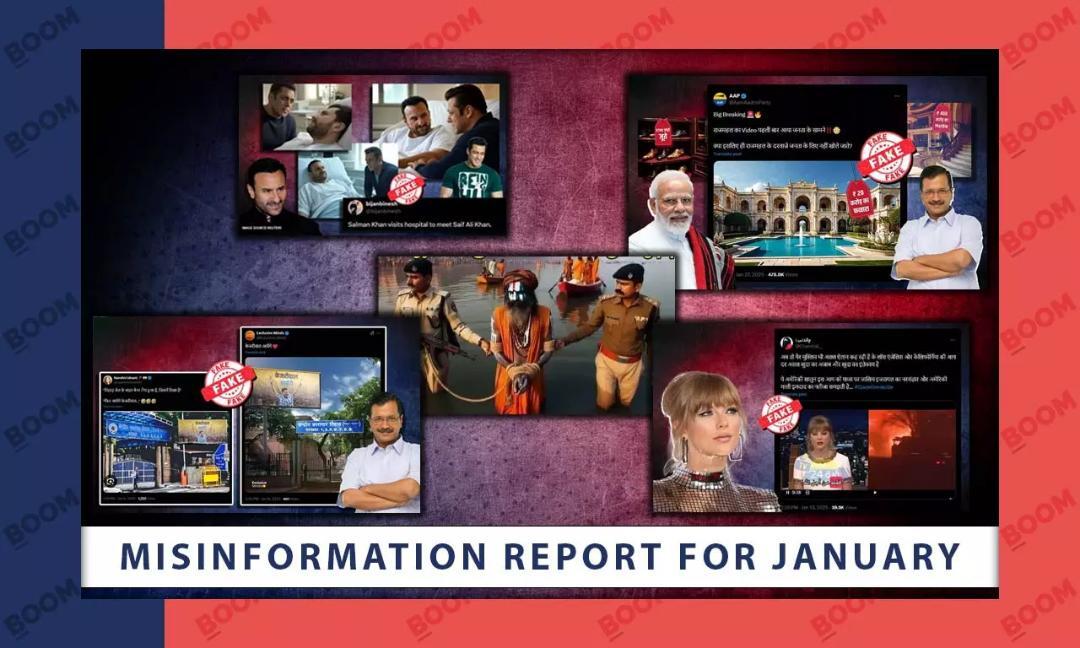
AI-Generated Misinformation Surges in January 2025: A Deep Dive into the Escalating Threat
The dawn of 2025 has ushered in not only a new year but also a concerning surge in AI-generated misinformation. This alarming trend has experts and policymakers scrambling to address the escalating threat to the integrity of information ecosystems worldwide. The proliferation of sophisticated AI tools capable of generating highly realistic yet entirely fabricated text, images, and videos has created a perfect storm for the spread of false narratives. From fabricated news articles and manipulated social media posts to deepfake videos that convincingly impersonate public figures, the potential for widespread deception and manipulation has reached unprecedented levels. This rise in AI-generated misinformation poses a significant challenge to societal trust, democratic processes, and even national security.
January 2025 witnessed a marked increase in the detection and reporting of AI-generated disinformation campaigns. These campaigns, often fueled by malicious actors seeking to sow discord, manipulate public opinion, or damage reputations, have exploited the speed and reach of social media platforms to disseminate fabricated content rapidly. The ease with which AI tools can now generate convincing fake news articles, complete with fabricated quotes and manipulated images, has made it increasingly difficult for the average person to distinguish fact from fiction. This erosion of trust in traditional news sources further exacerbates the problem, creating a fertile ground for the spread of conspiracy theories and other harmful narratives. The anonymity afforded by the internet further complicates efforts to track down the perpetrators behind these disinformation campaigns, making accountability and prosecution difficult.
The implications of this surge in AI-generated misinformation are far-reaching and potentially devastating. The ability to manipulate public opinion through sophisticated disinformation campaigns poses a grave threat to democratic processes. Elections can be swayed, public trust in institutions undermined, and social unrest fueled by the spread of false narratives. Furthermore, the potential for AI-generated misinformation to incite violence or escalate international tensions cannot be ignored. The spread of fabricated stories about atrocities or military actions could have real-world consequences, potentially leading to conflict or humanitarian crises.
Combating this growing threat requires a multi-pronged approach involving technological advancements, media literacy initiatives, and regulatory frameworks. Developing and deploying AI tools that can detect and flag potentially misleading content is crucial. This includes algorithms capable of identifying deepfakes, recognizing patterns in fabricated text, and analyzing the provenance of images and videos. Simultaneously, fostering media literacy among the public is essential to equip individuals with the critical thinking skills necessary to discern fact from fiction. Educational campaigns aimed at raising awareness about the dangers of AI-generated misinformation and providing practical tips for verifying information can empower individuals to navigate the increasingly complex online information landscape.
Collaboration between technology companies, media organizations, and government agencies is vital to address the challenges posed by AI-generated misinformation effectively. Social media platforms must take greater responsibility for the content shared on their platforms, implementing robust mechanisms for identifying and removing fabricated information. News organizations should prioritize fact-checking and verification, investing in resources to debunk false narratives and provide accurate information to the public. Government agencies can play a crucial role in developing legal frameworks and regulations to address the malicious use of AI for disinformation purposes while ensuring freedom of expression.
Addressing the surge in AI-generated misinformation requires a concerted global effort. International cooperation is essential to share best practices, coordinate responses to disinformation campaigns, and develop common standards for regulating the use of AI in the generation and dissemination of information. The threat posed by AI-generated misinformation is not a problem confined to individual nations but a global challenge that demands a collective response. Failure to address this issue effectively could have profound consequences for the future of democracy, social cohesion, and international stability. The time to act is now, before the tide of misinformation overwhelms our ability to distinguish truth from falsehood.