


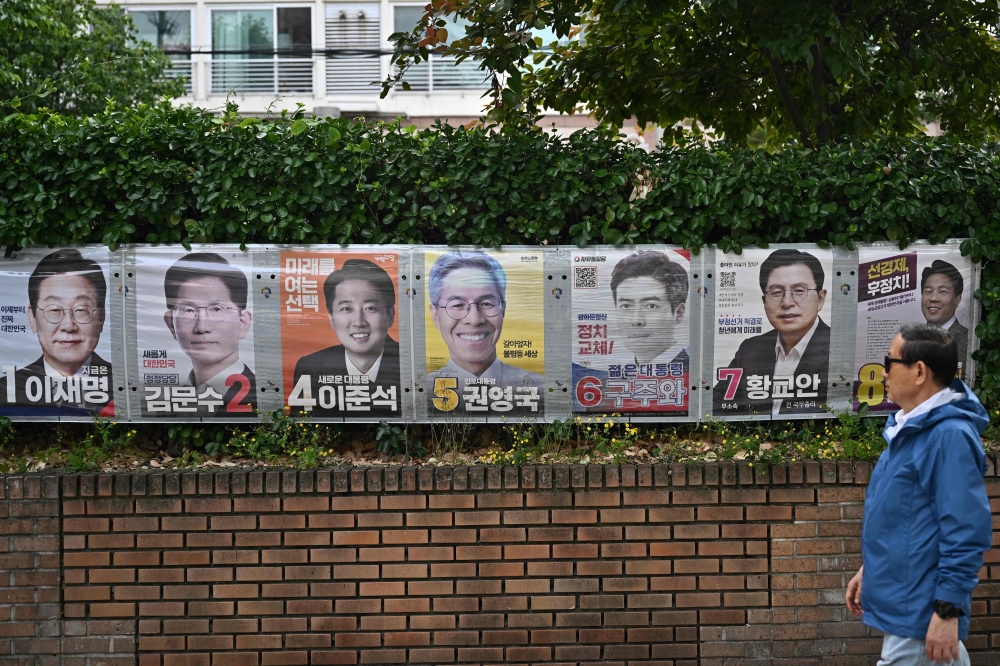
South Korea’s Presidential Election Grapples with a Deluge of Disinformation
South Korea’s upcoming presidential election, scheduled for Tuesday, has been marred by a rampant surge of misinformation and disinformation campaigns. As the nation prepares to choose a successor to impeached former President Yoon Suk-yeol, online platforms have become breeding grounds for false narratives, fabricated endorsements, and manipulated media, raising serious concerns about the integrity of the democratic process. Key themes in these disinformation campaigns exploit existing anxieties surrounding foreign influence, particularly from China and the United States, further polarizing the electorate.
A prominent strain of disinformation targets the leading opposition candidate, Lee Jae-myung, portraying him as being unduly influenced by China. False claims range from doctored photographs depicting Lee bowing to a statue of Mao Zedong to narratives suggesting he wears face masks adorned with the Chinese flag. These fabricated stories aim to tap into conservative fears of Chinese interference, echoing broader geopolitical tensions and attempting to sway voters away from the progressive candidate. This tactic reflects a shift from previous elections, where disinformation aimed to link candidates to North Korea. Experts suggest that, in the current political climate, the narrative of Chinese influence holds greater sway, particularly given escalating US-China relations.
While the frontrunner faces accusations of Chinese allegiance, conservative candidates find themselves entangled in fabricated endorsements and narratives highlighting ties to the United States. Doctored images have emerged showing former US President Donald Trump purportedly endorsing conservative candidates, while other disinformation campaigns have falsely claimed US military endorsements. These fabricated claims, even when demonstrably false, exploit the polarized political landscape and amplify existing anxieties about foreign influence. The narratives play on deep-rooted fears and national identity concerns, making them particularly potent despite their lack of factual basis.
The rise of artificial intelligence (AI) has further complicated the disinformation landscape. Deepfake technology has been employed to create manipulated videos of Lee Jae-myung, further fueling the spread of misinformation. One such deepfake, widely circulated in right-wing online communities, portrayed Lee ending a hunger strike and jokingly referencing fried chicken consumption. Despite clear signs of digital manipulation – disappearing background elements, distorted body proportions, and inconsistencies in the surroundings – the video gained traction. This example highlights the dangerous potential of AI-generated content to manipulate public perception and erode trust in legitimate information sources.
Beyond manipulated images and videos, disinformation campaigns have also targeted pre-election polling data. Graphics misrepresenting poll results have circulated online, falsely portraying conservative candidates as leading while deliberately omitting or altering the original survey dates. These deceptive tactics aim to mislead voters by presenting outdated information as current, manipulating perceptions of candidate popularity and potentially influencing voting decisions. This manipulation of polling data undermines the integrity of the electoral process by distorting public understanding of candidate support and momentum.
The widespread dissemination of disinformation in South Korea’s presidential election raises significant concerns about the future of democratic processes. Experts warn that AI-powered disinformation poses a particularly grave threat, enabling the creation of highly realistic but entirely fabricated content that can deceive even discerning audiences. This manipulation obstructs access to reliable information, potentially leading voters to base decisions on false narratives. The irreversible consequences of these decisions can have profound social and political ramifications, eroding public trust in institutions and potentially destabilizing democratic systems. Addressing the challenge of disinformation requires a multi-faceted approach, including media literacy initiatives, fact-checking efforts, and potentially regulatory measures to curb the spread of manipulated content. The integrity of South Korea’s election, and indeed the health of its democracy, hangs in the balance.