


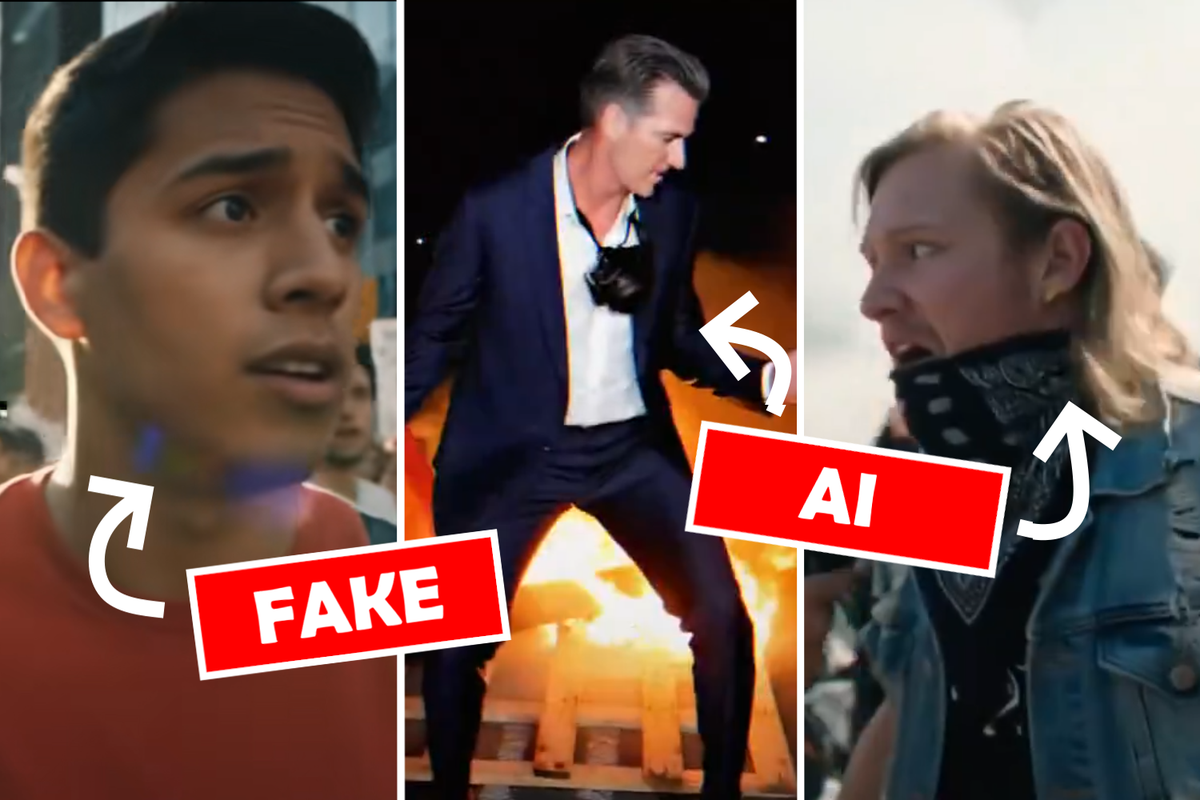
AI-Generated Disinformation Fuels LA Protests Narrative
The ongoing protests in Los Angeles have become a breeding ground for a new wave of disinformation, powered by readily accessible artificial intelligence. Fake videos, images, and narratives generated by AI are rapidly spreading across social media platforms, notably X (formerly Twitter), often reinforcing pre-existing biases and conspiracy theories. These fabricated depictions range from staged interviews with "rioters" claiming to be paid participants to fictitious National Guard soldiers reporting attacks with "oil-filled balloons." While some of these creations are labeled as parodies, the realistic quality of the AI-generated content often leads users to mistake them for genuine documentation of the events. This blurring of reality and fiction poses a significant challenge to accurate information dissemination and public trust.
The ease with which AI tools can produce convincing yet entirely fabricated content has amplified existing disinformation tactics. Recycled images from past events, out-of-context photographs, and manipulated video game footage are now supplemented by AI-generated creations, creating a complex and difficult-to-navigate information landscape. This technologically advanced form of manipulation is particularly potent because videos traditionally held a higher level of perceived authenticity, a perception now being eroded by AI’s capabilities. Experts warn that this ability to easily create realistic fake videos significantly alters the information ecosystem, and our reliance on video as evidence requires a reevaluation.
The AI-generated disinformation related to the LA protests is not confined to visual media. AI chatbots, such as OpenAI’s ChatGPT and X’s Grok, have been providing false information about the events. These chatbots have misidentified images and perpetuated false narratives, even when presented with evidence contradicting their claims. This highlights the limitations of AI in accurately interpreting real-world events and the potential for these platforms to inadvertently spread misinformation. The issue is exacerbated by the algorithms driving social media, designed to amplify engaging content, regardless of its veracity. This dynamic creates an echo chamber where false narratives are easily amplified and reinforced.
The narratives being promoted by the AI-generated content often align with pre-existing political divisions. Much of the fake content appears aimed at reinforcing right-wing talking points, bolstering narratives of external agitation and funded protests. However, some AI-generated content also targets progressive audiences, attempting to promote messages of solidarity with specific groups. This targeted approach indicates a deliberate effort to manipulate public opinion and deepen existing societal divides. The ease with which AI can personalize content makes it a powerful tool for manipulating specific demographics and fueling pre-existing biases.
The proliferation of AI-generated disinformation poses a significant threat to informed public discourse and democratic processes. The ability to quickly generate and disseminate realistic fake content erodes trust in traditional media and empowers bad actors to manipulate events to their advantage. While some AI-generated content is clearly labeled as satire, much of it blurs the lines, making it difficult for users to discern fact from fiction. This ambiguity, coupled with the speed at which information spreads online, allows false narratives to take root and spread quickly, impacting public perception and potentially influencing real-world actions.
Combating this new wave of disinformation requires a multi-pronged approach. Media literacy becomes crucial for citizens navigating the increasingly complex online information landscape. Critical thinking skills and awareness of the potential for AI manipulation are vital. Recognizing common telltale signs of AI-generated content, such as unnatural smoothness, repetitive movements, and inconsistencies in details, can help identify potential fakes. Independent verification of information through trusted sources is essential. Additionally, social media platforms bear a responsibility to develop and implement strategies for identifying and flagging AI-generated content and for promoting media literacy among their users. The fight against AI-driven disinformation demands a collective effort from individuals, platforms, and policymakers.