


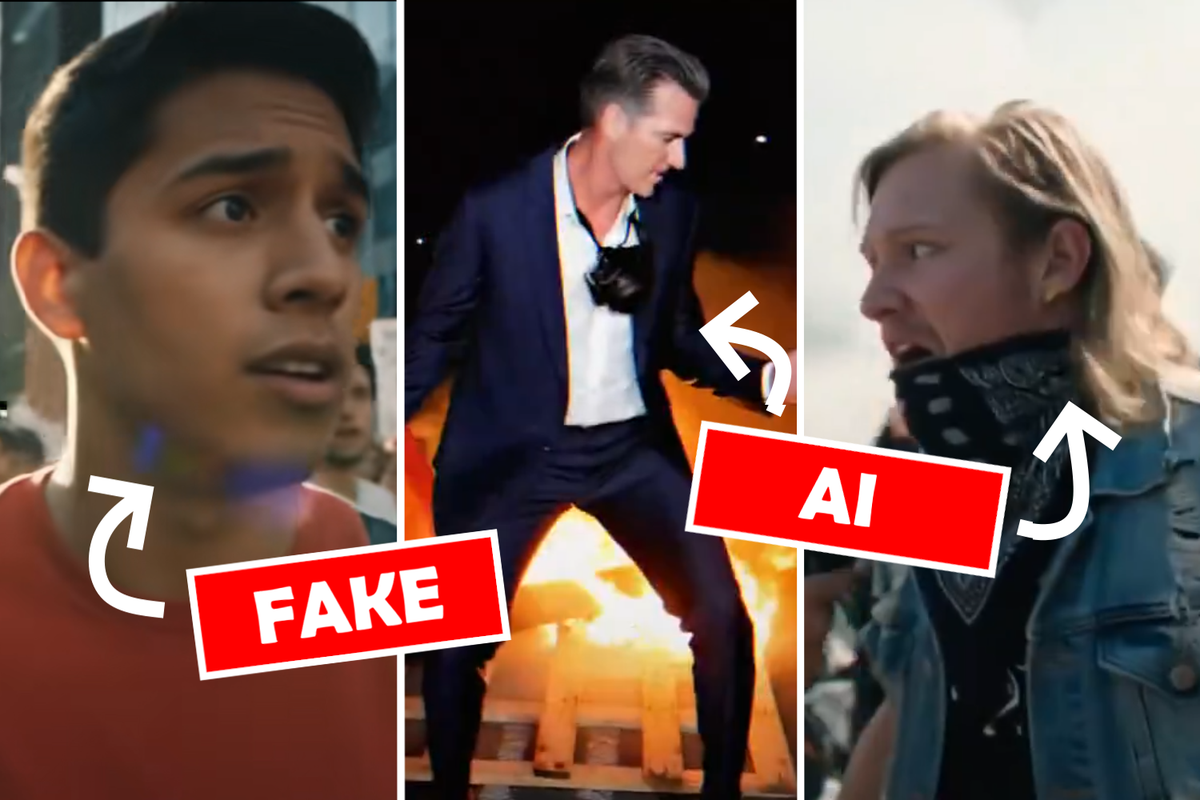
AI-Generated Disinformation Fuels LA Protest Narratives
The ongoing protests in Los Angeles have become a breeding ground for AI-generated disinformation, with fabricated videos, images, and narratives spreading rapidly across social media platforms, particularly X (formerly Twitter). These synthetic creations, often designed to bolster pre-existing narratives, depict scenarios such as rioters admitting to being paid, National Guard soldiers under attack from oil-filled balloons, and peaceful protesters turning violent. While some are labeled as parodies, many users interpret the realistic-looking content as genuine documentation of events, contributing to the spread of misinformation.
Fake Videos and the Erosion of Trust
Examples of these AI-generated videos include a simulated soldier providing a "behind-the-scenes" look at crowd control preparations, falsely claiming to be under attack by oil balloons. Another video depicts a staged interview with a rioter who confesses to being paid to cause destruction. These fabricated scenarios exploit the public’s inherent trust in video footage, which has historically been considered a reliable source of information. The ease with which AI can now create realistic-looking videos poses a significant challenge to media literacy and public trust.
AI Chatbots Contribute to the Confusion
The spread of misinformation extends beyond fabricated videos. AI chatbots like OpenAI’s ChatGPT and X’s Grok have provided inaccurate information about the LA protests. Both chatbots incorrectly linked images of National Guard members sleeping on the floor to Afghanistan in 2021 and misrepresented a photo of bricks on a pallet as evidence of outside funding for the protests. Even when presented with evidence to the contrary, these AI tools sometimes persist in their inaccuracies, further compounding the problem of misinformation.
AI-Generated Fakes Join a Larger Disinformation Ecosystem
While AI-generated content represents a new tool in the arsenal of disinformation tactics, it joins a pre-existing ecosystem of manipulated images, out-of-context photos, and repurposed video game footage. These tactics have been employed by partisan actors for years to fuel outrage and manipulate public perception. The introduction of readily accessible AI technology simply amplifies the potential for creating and disseminating false narratives.
Targeting Specific Audiences and Exploiting Political Divides
Much of the observed AI-generated content appears targeted at specific audiences, particularly conservatives, reinforcing existing political talking points. Some content, however, appears aimed at progressive audiences, promoting messages of solidarity with immigrants. The ambiguity surrounding some of the content, coupled with easily overlooked disclaimers about its AI origins, further blurs the line between satire and disinformation. This targeted approach exploits existing political divides and contributes to the polarization of public discourse.
The Challenge of Detection and the Need for Vigilance
Distinguishing AI-generated videos from genuine footage can be challenging, but certain telltale signs exist. These videos often exhibit a suspiciously polished and glossy aesthetic. The individuals depicted may appear unusually attractive, and details like fingers, buttons, or background elements may appear distorted or unnatural upon close inspection. Text within the videos is sometimes blurred or illegible. Background figures may exhibit repetitive or physically impossible movements. Fact-checking information with reputable news organizations and exercising critical thinking, especially when encountering content that confirms pre-existing biases, are crucial strategies for navigating the increasingly complex landscape of online information. The need for vigilance and media literacy is paramount in the age of AI-generated disinformation.