


The Looming Threat of Misinformation in Africa: A Deep Dive into Challenges and Solutions
The African media landscape is undergoing a dramatic transformation, fueled by the widespread adoption of social media, increasing smartphone usage, and the proliferation of digital platforms. While these advancements have democratized information sharing, fostering civic engagement and entrepreneurial activities, they have also unleashed a torrent of misinformation, fake news, and AI-generated deepfakes. This digital deluge poses a significant threat to societal stability, particularly in countries with low levels of digital literacy, where discerning credible information becomes increasingly challenging. The rise of fintech, e-commerce, and mobile technology has undoubtedly spurred innovation across the continent, but the persistent digital divide continues to marginalize rural and underserved communities, hindering equitable access to technological advancements.
Media organizations in Africa face formidable challenges in combating the spread of misinformation. Limited funding restricts their ability to invest in essential fact-checking resources and investigative journalism. Weak regulatory frameworks often fail to curb the proliferation of false information, and in some instances, governments exploit "fake news" laws to suppress press freedom rather than address the root causes of misinformation. The rapid dissemination of unverified content on social media, coupled with the emergence of sophisticated deepfakes, further complicates the fight against misinformation. Low levels of public awareness and digital literacy exacerbate the problem, as many individuals lack the critical thinking skills necessary to evaluate information sources effectively. Collaboration between media outlets, tech companies, and policymakers is crucial to bolster fact-checking initiatives and implement long-term strategies to combat this pervasive issue.
Artificial intelligence (AI) stands poised to revolutionize Africa’s media and technology landscape in the coming years, presenting both opportunities and challenges. AI-powered tools can enhance content production, automate news verification processes, and improve language translation, facilitating wider access to information in the continent’s diverse linguistic landscape. AI-driven analytics can also provide valuable insights into audience engagement, enabling media organizations to tailor content more effectively. However, the potential misuse of AI to generate deepfakes and spread misinformation poses a serious threat to media credibility. Furthermore, limited access to AI infrastructure and funding for African news organizations and tech startups hinders their ability to compete globally. The digital divide also risks exacerbating existing inequalities, as AI technologies may primarily benefit urban populations, leaving rural communities further behind.
While governments and tech companies have taken some steps to address the spread of misinformation, their efforts fall short of what is needed. Although some countries have enacted laws and launched fact-checking initiatives, enforcement remains inconsistent, and in some cases, these measures are used to stifle dissent rather than combat fake news. Tech companies have also implemented AI-powered content moderation and fact-checking partnerships, but these initiatives often fail to reach marginalized communities with limited digital literacy. A more comprehensive approach is required, involving increased funding for public awareness campaigns, stronger policies that promote accuracy without infringing on press freedom, and greater support for independent media. It is essential to extend these efforts to underserved communities, ensuring that digital literacy programs and access to accurate information reach all segments of society. Failure to address the digital divide will only perpetuate the spread of misinformation, widening the information gap between the elite and the marginalized.
The rapid dissemination of misinformation on social media platforms in Africa is driven by a confluence of factors. The inherent human tendency to share information without verifying its accuracy, fueled by emotions, excitement, or a desire to help others, contributes to the problem. Coordinated disinformation campaigns, often motivated by political, ethnic, or economic agendas, further exacerbate the spread of false narratives. Fear and a lack of critical thinking make individuals more susceptible to sensationalized or alarming content, particularly during times of crisis. Low levels of digital literacy also play a significant role, as many users struggle to distinguish between credible and fabricated information. Addressing these underlying factors is crucial to curbing the spread of misinformation in Africa.
Fact-checking organizations face unique challenges in gaining public trust. Deep-seated falsehoods, often ingrained as societal norms, create resistance to fact-checking efforts, which are sometimes perceived as attempts to invalidate deeply held beliefs. Accusations of partisanship or attempts to silence certain voices, particularly when fact-checks contradict political, religious, or cultural views, further erode public trust. The pressure to share unverified information, coupled with confirmation bias—the tendency to favor information that aligns with pre-existing beliefs—adds another layer of complexity. Low digital literacy hinders public understanding of how misinformation spreads and the role of fact-checking organizations, fostering suspicion and distrust. To overcome these challenges, fact-checking organizations must prioritize transparency, engage actively with communities, and invest in digital literacy initiatives to build trust and credibility.
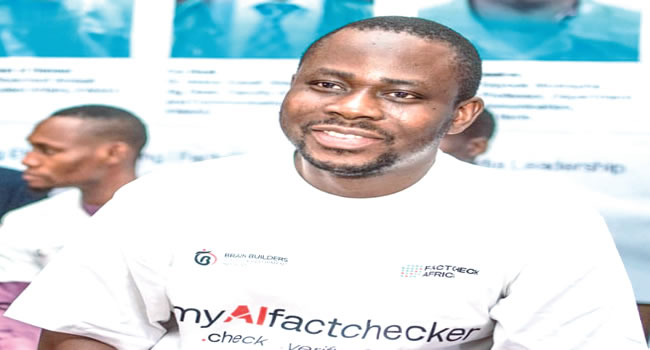
AI-driven fact-checking tools, while promising, must address concerns about bias and reliability. Transparency in data sourcing and methodology is essential to ensuring accuracy and impartiality. FactCheckAfrica’s MyAIFactChecker, for instance, employs a multi-source approach, gathering information from diverse publications and databases to avoid reliance on single sources. The tool leverages AI-powered natural language processing and sentiment analysis to identify misinformation trends and cross-reference claims with verified facts. Continuous updates and clear citations further enhance the tool’s reliability, enabling users to evaluate the sources used for fact-checking. Real-world examples, such as the debunking of false rumors surrounding the death of veteran actor Olu Jacobs, demonstrate the effectiveness of AI-driven fact-checking tools in combating misinformation. FactCheckAfrica’s interactive flashcard game, Fact-Check Champs, and its university curriculum further underscore the organization’s commitment to promoting media literacy through engaging and educational initiatives.
The fight against misinformation requires a multi-faceted approach involving governments, tech companies, civil society organizations, and individuals. Young people and tech innovators have a particularly important role to play, developing innovative tools and fostering collaboration to counter false narratives. Policy recommendations, such as mandatory fact-checking and digital literacy courses in tertiary institutions and the establishment of specialized courts to address misinformation, can strengthen the fight against this pervasive threat. Protecting the integrity of information and fostering a culture of accountability are crucial steps towards building more informed and resilient societies across Africa.