


Summary of Mike Brant’s Reflection on the 25th Anniversary of 9/11
As the calendar turns toward 2026, the nation prepares to mark a profoundly somber milestone: the 25th anniversary of the September 11, 2001 terrorist attacks. For those who lived through that day, the passage of a quarter-century does little to dull the sharp edge of memory. The author, Mike Brant, a weekend host and content contributor for New Jersey 101.5, writes that the events of that Tuesday morning still feel as immediate and visceral as if they occurred only yesterday. The sensory details—the sight of smoke billowing from the towers, the sound of frantic newscasters, the subsequent silence of a stunned nation—remain etched into the collective consciousness of a generation. This anniversary is not merely a date on the calendar; it is a resonant touchstone for grief, remembrance, and a persistent, painful reflection on how the world changed in a matter of hours.
Brant’s personal recollection of that morning is both specific and symbolic, capturing the surreal nature of witnessing history unfold in real-time. He was a high school student, sitting in a history class of all places, when the initial reports of the first plane hitting the World Trade Center interrupted the routine of the school day. The teacher, Mr. Kennedy, had intended to show a video, but the live coverage on the classroom television seized everyone’s attention. For five minutes, the class watched in mesmerized confusion as the story developed, trying to comprehend what was initially perceived as a tragic accident. Then, in a moment that Brant describes as giving him chills to this day, the second plane struck the South Tower. He recalls the specific details of his location—second seat back, third row from the door—as the class watched the unthinkable unfold. It was then that the reality crystallized: this was not an accident, but a coordinated attack, and the world was watching a war begin on their television screens.
The author expresses a deep and growing frustration with the narrative surrounding 9/11 in the social media era, particularly as the anniversary approaches. He observes that a significant portion of the content being generated and shared online is created by individuals who were either not yet born or too young to have any genuine, first-hand memories of the attacks. This has led to a proliferation of misinformation and conspiracy theories, with self-proclaimed “experts” using platforms like TikTok, X, and YouTube to posit alternative explanations for how the towers fell, the Pentagon was struck, and Flight 93 crashed in Pennsylvania. Brant is particularly disturbed by the creation and dissemination of AI-generated videos that are deliberately designed to look authentic but are used to support false narratives. He views this content not only as factually wrong but as deeply hurtful, representing a profound disrespect to the nearly 3,000 victims and the countless heroes who responded that day.
Brant laments that the motivation behind much of this misinformation is likely cynical and opportunistic—a calculated pursuit of clicks, views, and engagement metrics at the expense of truth. The algorithm-driven nature of social media rewards sensationalism and outrage, allowing outlandish claims to spread far more quickly than factual reporting or historical records. He acknowledges that he cannot single-handedly stop the flow of these fake theories, but he expresses a hopeful plea to future generations. He urges them to exercise common sense, to critically evaluate the sources of their information, and to resist the temptation to feed into the garbage that pollutes the digital landscape. For Brant, the preservation of the true history of 9/11 depends not on institutional memory alone, but on the willingness of younger Americans to demand accuracy and to honor the past by refusing to let it be rewritten by charlatans.
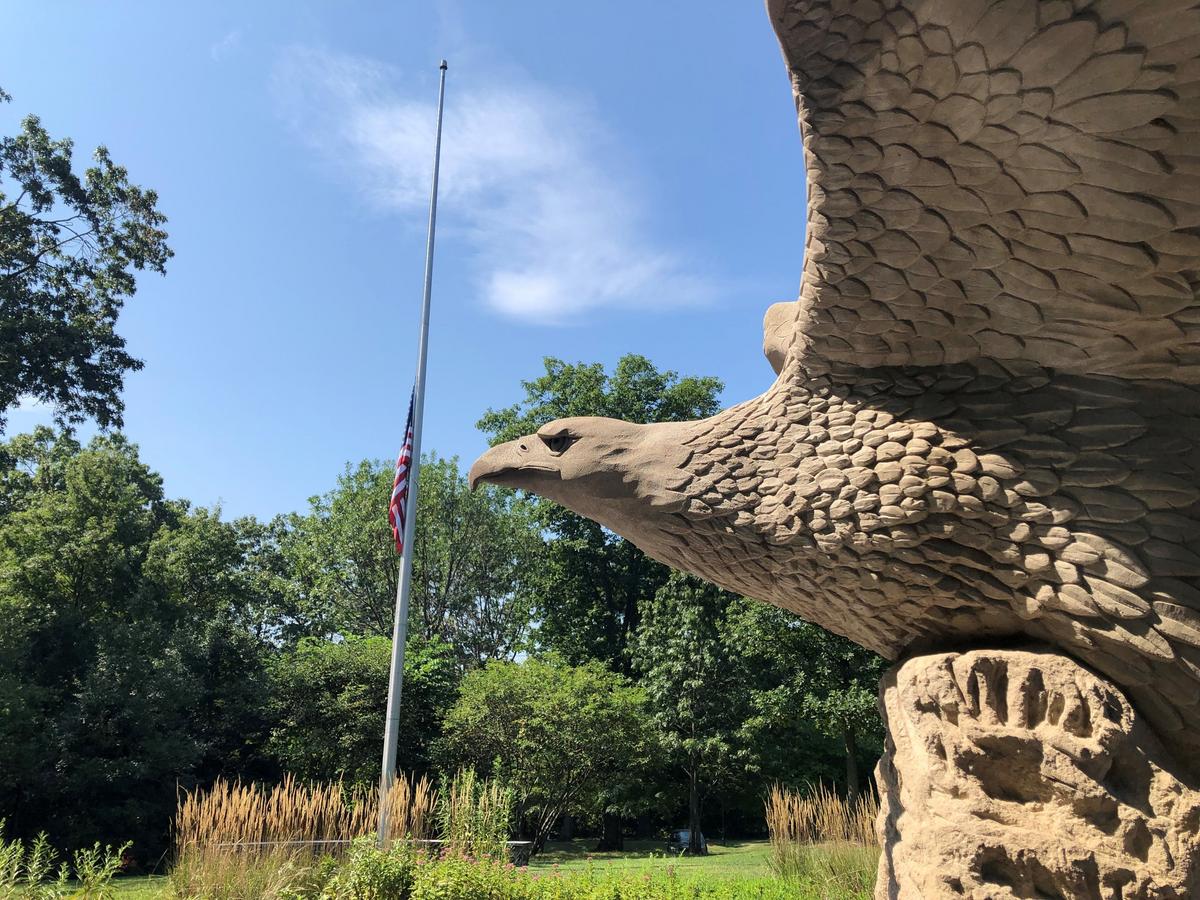
Beyond the digital noise, the author returns to the more personal and sacred duty of remembrance. He notes that even after 25 years, the memories for many are still raw, recalling not just the visual images of the planes and the falling towers, but also the more subtle, haunting details of that day. He remembers the smell of the air in the afternoon and the lost, shell-shocked look on his mother’s face when she returned home from work. These personal recollections serve as a stark reminder that 9/11 was not just a national tragedy but a deeply personal one, affecting families and communities across the region. Brant emphasizes the imperative to remember the brave and innocent people who lost their lives, and he highlights the various memorials, such as the 9/11 Memorial at Mt. Mitchill in Monmouth County, New Jersey, that have been established to ensure that their sacrifice is never forgotten. These physical spaces provide a tangible place for grief, reflection, and communal healing.
Finally, the article serves as a practical guide and a call to action for the community as the anniversary approaches. Brant announces that Friday, September 11, 2026, will be the date of the 25th-anniversary commemorations, and he details how many towns and organizations across New Jersey will be holding ceremonies to honor the victims. He notes that while most events are scheduled for the 11th, some will take place on surrounding days to accommodate the community. By inviting readers to share information about their local events, he underscores the importance of communal participation in these rituals of remembrance. For Brant, the act of coming together—of standing in a park, laying a wreath, or reading a list of names—is a vital counterpoint to the isolation and misinformation of the online world. It is a way to ensure that the history of 9/11 is remembered for what it actually was: a day of profound loss, extraordinary heroism, and an unbreakable American resilience that must be passed down with honesty and reverence to the next generation.