


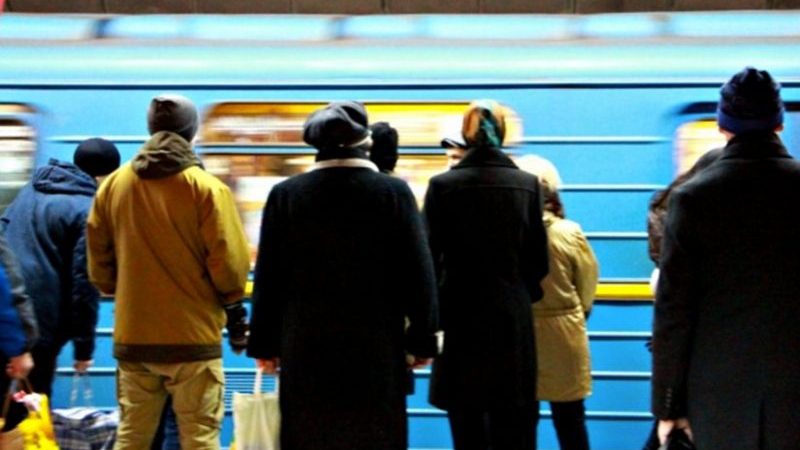
Misinformation Could Cripple Public Transit Systems, Study Finds
The fragility of urban transit networks, a crucial artery of modern cities, is under threat from a new kind of vulnerability: misinformation. A recent study conducted by researchers at Stevens Institute of Technology and the University of Oklahoma reveals the potentially devastating impact of strategically disseminated false information on public transportation systems. Using sophisticated AI models, the researchers demonstrated how even minor incidents, amplified by the rapid spread of misinformation, could trigger cascading failures and widespread disruption across entire transit networks.
The study, published in Reliability Engineering and System Safety, focused on the Port Authority Trans-Hudson (PATH) system, a vital transportation link between New Jersey and New York City serving over 200,000 daily commuters. By analyzing social media alerts and employing natural language processing (NLP) tools, the team categorized various disruption scenarios, ranging from routine service delays to more serious security incidents. Many of these disruptions, they found, could be easily exacerbated or even instigated by the deliberate spread of false reports. The researchers then used computer simulations, incorporating real-world ridership data, to model how the PATH system would respond to different misinformation scenarios.
The findings were alarming. Even seemingly minor disruptions, such as a false report of an unattended bag or a disruptive passenger, when amplified by social media, could ripple through the network, causing significant delays and economic losses. A single, brief station closure due to a false alarm, for example, could result in cumulative delays of up to 16,441 minutes for affected passengers, costing them an average of $18.13 each in alternative transportation expenses.
More concerningly, the study revealed that coordinated disinformation campaigns, potentially timed to coincide with high-traffic events like sporting events or major holidays, could cripple critical transportation hubs. The models showed that such campaigns could lead to extended station closures of up to 11% of operational time, impacting not only the PATH system but also cascading into wider transportation networks across the New York and New Jersey region, causing widespread delays and substantial economic damage.
The vulnerability highlighted by the study stems from the interconnected nature of modern transit systems and the reliance of passengers on real-time information. A single false report, quickly disseminated through social media, can trigger a chain reaction: passengers alter their routes, overloading other parts of the network, leading to further delays and contributing to the spread of anxiety and misinformation. This vulnerability is further amplified during peak hours and special events when the system is already operating near capacity.
The researchers emphasize that while the threat is real, it is not insurmountable. Simple verification procedures, such as quickly confirming the veracity of reported incidents before taking drastic action, can significantly mitigate the impact of misinformation. However, implementing these countermeasures effectively requires proactive planning and anticipation of potential scenarios. The researchers suggest that transit authorities invest in developing robust verification protocols and establish clear communication channels with passengers to counter the spread of false information.
Beyond immediate verification, the study underscores the importance of building resilience into transit systems. This includes developing robust contingency plans to manage passenger flow during disruptions, investing in redundant infrastructure to minimize the impact of station closures, and educating the public about the importance of verifying information before reacting to online reports.
The Stevens team is now looking to expand their research, aiming to model the potential impact of misinformation on entire urban areas. Their goal is to develop AI-powered tools that can analyze social media chatter in real-time, identify potential disruptions, and provide actionable insights to city officials and transit authorities. This proactive approach, they believe, can transform urban management from a reactive model to a predictive one, allowing cities to anticipate and mitigate disruptions before they escalate into major crises.
The implications of this research extend beyond the immediate concerns of transit system management. It highlights the broader vulnerability of complex systems to misinformation and underscores the need for new strategies to ensure their resilience. As cities become increasingly reliant on interconnected networks, the ability to detect and counter misinformation will become crucial for maintaining essential services and ensuring public safety.
The study’s findings serve as a wake-up call for transit authorities and city planners to proactively address the threat of misinformation. By investing in robust verification protocols, developing comprehensive contingency plans, and leveraging the power of AI, cities can strengthen their resilience against this emerging threat and safeguard the vital transportation networks that power their economies and connect their communities. Ignoring this vulnerability could have far-reaching consequences, disrupting daily life, undermining public trust, and potentially creating opportunities for malicious actors to exploit the ensuing chaos.
The researchers’ vision of a predictive, AI-powered approach to urban management offers a promising path forward. By harnessing the power of data and machine learning, cities can move beyond reactive responses and proactively anticipate and mitigate disruptions, creating more resilient and secure urban environments for all. This proactive approach will be essential not only for managing the specific threat of misinformation in public transit but also for addressing the broader challenges of urban resilience in an increasingly complex and interconnected world.
The research also highlights the critical role of public awareness and education in combating the spread of misinformation. Educating the public about the importance of verifying information before sharing it online and encouraging critical thinking about online content can significantly reduce the impact of misinformation campaigns. Building media literacy and promoting responsible online behavior are essential components of a comprehensive strategy for mitigating the risks associated with misinformation in public spaces.
The Stevens team’s research provides a valuable framework for understanding the vulnerability of transit systems to misinformation and offers practical recommendations for enhancing their resilience. By adopting a proactive, data-driven approach and fostering a culture of critical thinking and information verification, cities can effectively address this emerging threat and ensure the continued reliability and safety of their public transportation networks.
The study’s findings are a stark reminder of the interconnectedness of modern urban systems and the potential for even seemingly minor disruptions to cascade into major crises. The researchers’ work underscores the urgent need for a coordinated effort between transit authorities, city officials, technology developers, and the public to combat the spread of misinformation and build more resilient urban environments. The future of urban transportation, and indeed the future of our cities, depends on our ability to effectively address this growing challenge.
The implications of this research extend beyond the realm of public transportation, highlighting the vulnerability of various critical infrastructure systems to misinformation campaigns. From energy grids to healthcare networks, the interconnected nature of modern infrastructure makes it susceptible to disruption through the spread of false information. The lessons learned from this study can inform the development of more robust security protocols and resilience strategies across a range of critical sectors.
Ultimately, the research underscores the need for a societal shift towards greater information literacy and a more discerning approach to online content. As misinformation continues to proliferate online, empowering individuals with the skills and tools to critically evaluate information and identify falsehoods will be crucial for safeguarding not only our public transit systems but also the broader integrity of our information ecosystem. The fight against misinformation is a shared responsibility, requiring a collaborative effort from individuals, institutions, and technology platforms to create a more resilient and informed society.