


Virginia Joins Growing Number of States Restricting Cellphone and Social Media Use for Students, Raising Constitutional and Privacy Concerns
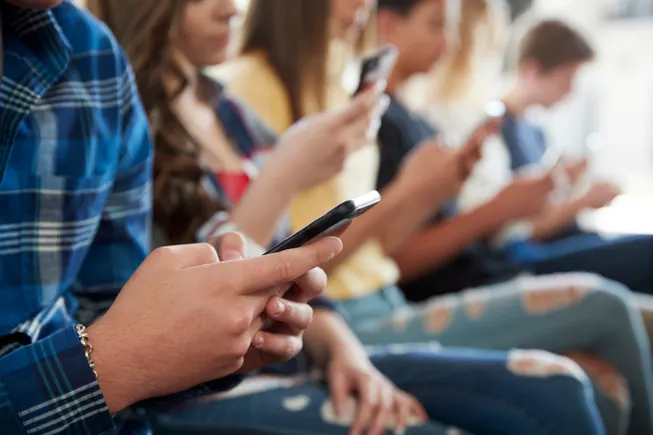
A wave of legislation sweeping across the United States aims to curb the pervasive influence of cellphones and social media on children and adolescents, citing concerns about mental health, academic performance, and online safety. Virginia recently joined the ranks of states implementing such restrictions, with Governor Glenn Youngkin signing a bill banning cellphone use during school hours for all students, effective January 2026. This legislation makes Virginia the 21st state to enact some form of cellphone restriction in schools, reflecting a growing bipartisan concern about the distractions posed by technology in the classroom. This move follows another law signed by Youngkin earlier in May limiting social media use for children under 16 to one hour per day, requiring social media companies to verify age and enforce the time limit. These initiatives underscore a broader societal debate about the appropriate role of technology in young people’s lives.
Proponents of these restrictions argue that constant access to cellphones and social media negatively impacts students’ ability to focus on their studies and engage in meaningful interactions with their peers and teachers. They point to research indicating that students frequently use their phones during school for non-educational purposes, such as social media, gaming, and YouTube, diverting their attention from classroom activities. Governor Youngkin echoed these sentiments upon signing the cellphone ban, stating that schools should be places of learning and human interaction, free from the distractions of technology. This sentiment reflects a belief that the educational environment should prioritize focused learning and that the constant presence of cellphones undermines this goal. Supporters of the ban also argue that it promotes a more equitable learning environment by minimizing distractions that disproportionately affect students from lower socioeconomic backgrounds who may not have access to the same resources for managing their technology use.
However, the implementation of these bans also raises several complex issues. Critics argue that such restrictions infringe on students’ First Amendment rights and create unnecessary burdens for families and schools. They also question the practicality of enforcing such bans, particularly in the case of social media, which often requires access to personal devices outside of school hours. Furthermore, some argue that these bans fail to address the underlying issues contributing to student distraction and mental health challenges, such as stress, anxiety, and lack of access to adequate mental health services. Instead, they suggest that schools should focus on promoting digital literacy and responsible technology use rather than imposing outright bans. This approach would empower students to navigate the digital landscape safely and effectively, preparing them for a world increasingly reliant on technology.
The debate surrounding social media restrictions is further complicated by concerns regarding data privacy and cybersecurity. A similar law passed in Florida banning social media use for children under 14 has faced legal challenges, with a federal judge temporarily blocking parts of the law due to First Amendment concerns. Opponents argue that requiring social media companies to verify users’ ages necessitates the collection of sensitive personal data, creating a potential security risk and increasing vulnerability to hackers and predators. These concerns highlight the delicate balance between protecting children online and safeguarding their privacy rights. The Florida case serves as a cautionary tale for other states considering similar legislation, highlighting the potential for legal challenges and the need to carefully consider the implications for data privacy and security.
The tension between protecting children and respecting their rights is at the heart of this debate. While proponents of restrictions emphasize the potential harms of excessive technology use, opponents argue that outright bans are not the solution. They advocate for a more nuanced approach that focuses on educating children and families about responsible technology use, promoting media literacy, and providing access to mental health resources. Such an approach would empower young people to navigate the digital world safely and effectively, fostering critical thinking skills and responsible online behavior. This would also address the underlying issues contributing to student distraction and mental health challenges, providing more comprehensive support for students’ well-being.
The increasing prevalence of cellphones and social media among children has undoubtedly created a complex and multifaceted challenge for parents, educators, and policymakers. While the desire to protect children from the potential harms of technology is understandable, it is crucial to carefully consider the implications of restrictive measures. Balancing the need to safeguard children’s well-being with their right to privacy and freedom of expression requires a thoughtful and nuanced approach that prioritizes education, open communication, and collaboration between all stakeholders. Ultimately, the goal should be to empower young people to become responsible digital citizens, equipped with the skills and knowledge to navigate the ever-evolving technological landscape safely and effectively.