


Pakistan’s Disinformation Campaign Amidst Regional Tensions and High-Level US Visit
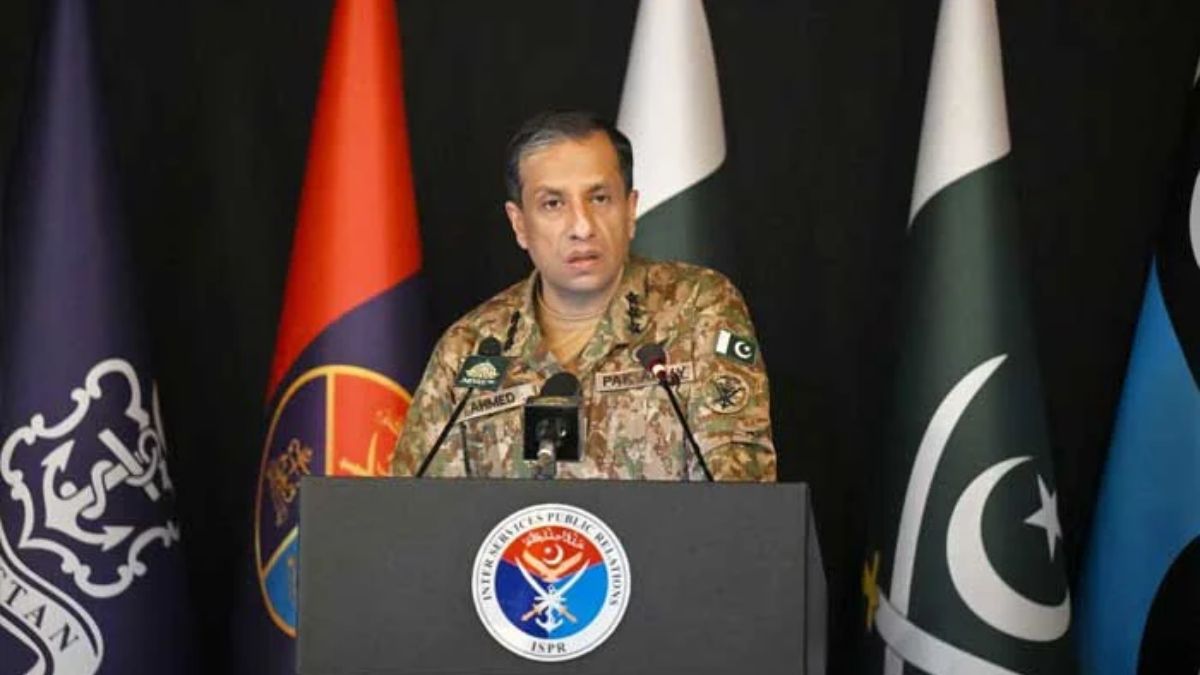
In the wake of escalating tensions between the US, Iran, and Israel in June 2025, a sophisticated disinformation campaign targeting India was allegedly orchestrated by Pakistan’s Inter-Services Public Relations (ISPR) nexus, spearheaded by the Pakistan Strategic Forum (PSF). This campaign, as revealed by Disinfo Lab, disseminated a barrage of unsubstantiated claims across social media and propaganda networks, accusing India of collaborating with the US and Israel against Iran. These allegations coincided conspicuously with a clandestine visit by Pakistan’s Chief of Army Staff, General Asim Munir, to Washington D.C., suggesting a deliberate attempt to divert international and domestic attention away from his high-level meetings with US officials, including President Trump.
The disinformation campaign employed a multi-pronged approach, fabricating stories ranging from the detention of Indian RAW agents in Iran and Pakistan to accusations of India providing logistical support for US airstrikes. These narratives portrayed India as an active participant in the conflict, conspiring with Israel and the US to destabilize Iran. One particularly outlandish claim even suggested that Iranians were chanting “Jai Hind” during the alleged attacks, a stark contrast to the narrative of Indian betrayal being simultaneously promoted. These fabrications lacked any credible evidence or corroboration from official sources, highlighting their purely propagandistic nature.
The timing of this disinformation campaign raises serious questions about its underlying motives. General Munir’s visit to Washington, which included an unprecedented private lunch with President Trump, was a significant event, particularly given the backdrop of strained US-Pakistan relations in recent years due to Pakistan’s perceived role in undermining US efforts in Afghanistan. By flooding the information landscape with sensationalized, anti-India narratives, the ISPR nexus aimed to shift focus away from General Munir’s discussions, the content of which remains undisclosed, and its potential implications for regional security and the US-Pakistan relationship.
Further fueling suspicions about the motives behind the disinformation campaign is Pakistan’s complex relationship with Iran. The two nations have a history of rivalry, competing for influence in Afghanistan and vying for regional power. Pakistan’s historical anxieties about Iran potentially developing nuclear weapons add another layer of complexity. In the context of a potential conflict involving Israel and Iran, Pakistan’s actions suggest a strategic alignment with the US, despite its publicly maintained neutrality. The closure of Pakistan’s land borders with Iran during General Munir’s US visit, a move contrasting sharply with Iran’s past assistance to Pakistan, further underscores this strategic shift.
The disinformation campaign also served to deflect attention from Pakistan’s internal challenges, including a severe economic crisis and ongoing unrest in Balochistan. By projecting an image of external threats and portraying India as a hostile actor, the ISPR nexus aimed to rally domestic support and distract from the government’s struggles to address pressing economic and social issues. The influx of financial aid from the IMF during this period, including a new commitment of $1.4 billion for climate resilience, raises questions about the role of international financial institutions in supporting a government engaged in such disinformation tactics.
The incident underscores the increasing use of disinformation as a tool of geopolitical maneuvering. By manufacturing and disseminating false narratives, state actors can attempt to manipulate public opinion, influence international discourse, and deflect scrutiny from their own actions. In this case, the alleged campaign by Pakistan’s ISPR nexus represents a calculated attempt to exploit regional tensions for its own strategic benefit, potentially exacerbating existing conflicts and undermining efforts to promote peace and stability. India has consistently denied any involvement in the Israel-Iran conflict, emphasizing its focus on energy security, regional alliances, and national interests. It remains crucial for international actors and media organizations to critically examine information emanating from potentially biased sources and to prioritize fact-checking and verification to counter the spread of disinformation. The incident serves as a reminder of the importance of media literacy and the need for robust mechanisms to identify and expose such campaigns. The international community must remain vigilant against such tactics, which threaten to undermine trust in information and erode the foundations of informed public discourse.