


2024 Riots Fueled by Online Misinformation: Regulatory Gaps Leave Harmful Content Unchecked
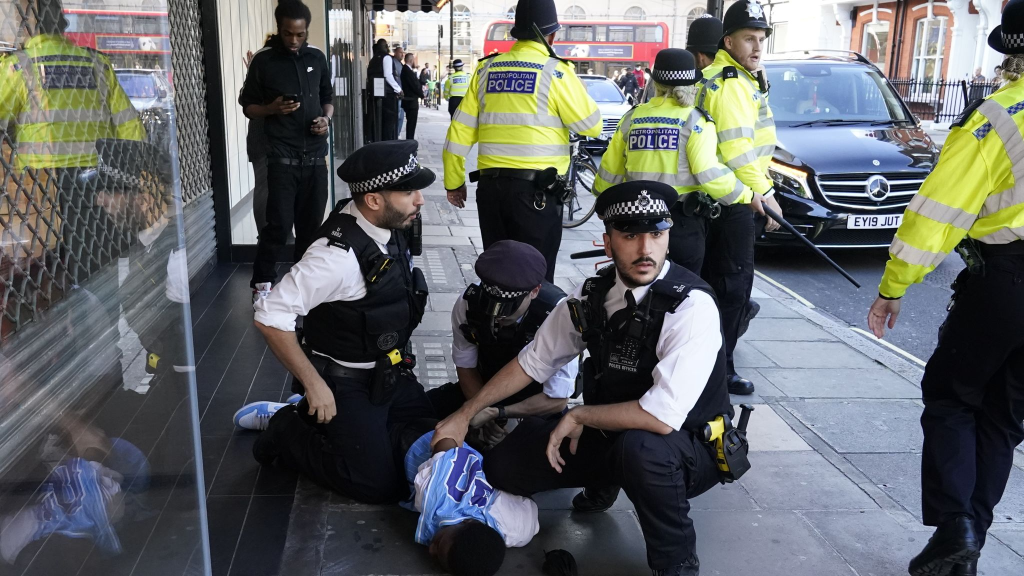
The UK’s digital landscape became a breeding ground for misinformation during the 2024 riots, as harmful content spread unchecked across social media platforms, amplifying public unrest and contributing to escalating violence. Sir Andy Cooke, His Majesty’s Chief Inspector of Constabulary, has issued a stark warning about the limitations of current regulatory frameworks in tackling online harms, urging for greater powers to be granted to Ofcom, the UK’s communications regulator, to swiftly remove dangerous posts. He specifically criticized the delays in addressing false and inflammatory content during the riots, allowing damaging narratives to take root and exacerbate the situation. This slow response, he argues, significantly hampered efforts to contain the violence and restore order.
The recent passage of the UK Online Safety Act, while hailed as a landmark piece of legislation, has come under fire for not adequately addressing the rapid spread of harmful material online. While the Act aims to hold online platforms accountable for user-generated content, it stops short of granting Ofcom the power to directly remove individual posts, a critical gap that became glaringly apparent during the riots. Ofcom has acknowledged the undeniable link between online posts and the unfolding disorder, but maintains that its role is limited to overseeing the safety systems implemented by platforms, not actively moderating content itself. This stance has drawn criticism from various quarters, with concerns raised that this passive approach leaves a dangerous vacuum, allowing harmful content to proliferate unchecked and potentially incite further violence.
The regulator’s perceived inaction during the summer’s violence has drawn intense scrutiny. Critics argue that Ofcom’s current powers are insufficient to address the speed and scale of online misinformation, particularly during rapidly evolving crises like the 2024 riots. The regulator’s reliance on platforms to self-police, they argue, proved inadequate in preventing the spread of false information and inflammatory rhetoric that fueled the unrest. This perceived failure has underscored the urgent need for a more proactive approach to content moderation, empowering Ofcom to take swift and decisive action against harmful posts. The consequences of inaction are stark: over 30 individuals have already been arrested for riot-related posts, with some receiving prison sentences, highlighting the tangible real-world impact of online incitement.
A new report has further exposed the inadequacies in the current response to online misinformation, revealing that police forces possess limited capabilities to counter the rapid spread of false narratives. This deficiency leaves law enforcement struggling to effectively address the online dimension of public disorder, further highlighting the urgent need for enhanced resources and training. Sir Andy Cooke has stressed the importance of developing more robust policing strategies specifically designed to tackle online misinformation, recognizing that traditional law enforcement methods are ill-equipped to address the unique challenges posed by the digital landscape. He has also called for legislative changes to strengthen deterrence against inflammatory online behavior, aiming to hold individuals accountable for the consequences of their online actions.
The 2024 riots serve as a stark reminder of the potent influence of online platforms in shaping public discourse and influencing real-world events. The rapid spread of misinformation, often amplified by algorithms designed to maximize engagement, can quickly escalate tensions and contribute to widespread unrest. The current regulatory framework, with its emphasis on platform accountability rather than direct content moderation, has proven inadequate in preventing the dissemination of harmful material. The calls for greater powers for Ofcom reflect a growing recognition of the need for a more proactive and interventionist approach to online content moderation, particularly during times of crisis.
The challenge lies in striking a delicate balance between protecting free speech and preventing the spread of harmful content. Granting Ofcom the power to remove individual posts raises concerns about censorship and the potential for abuse. However, the experience of the 2024 riots demonstrates the real-world consequences of unchecked online misinformation. The ongoing debate centers around finding effective mechanisms to address the spread of harmful content without unduly infringing on freedom of expression. The future of online safety regulation hinges on finding this delicate equilibrium, ensuring that online platforms are not weaponized to incite violence and disrupt public order.