







UK announces 31 new sanctions against Russia targeting shadow fleet, disinformation, and abuses in occupied Ukraine
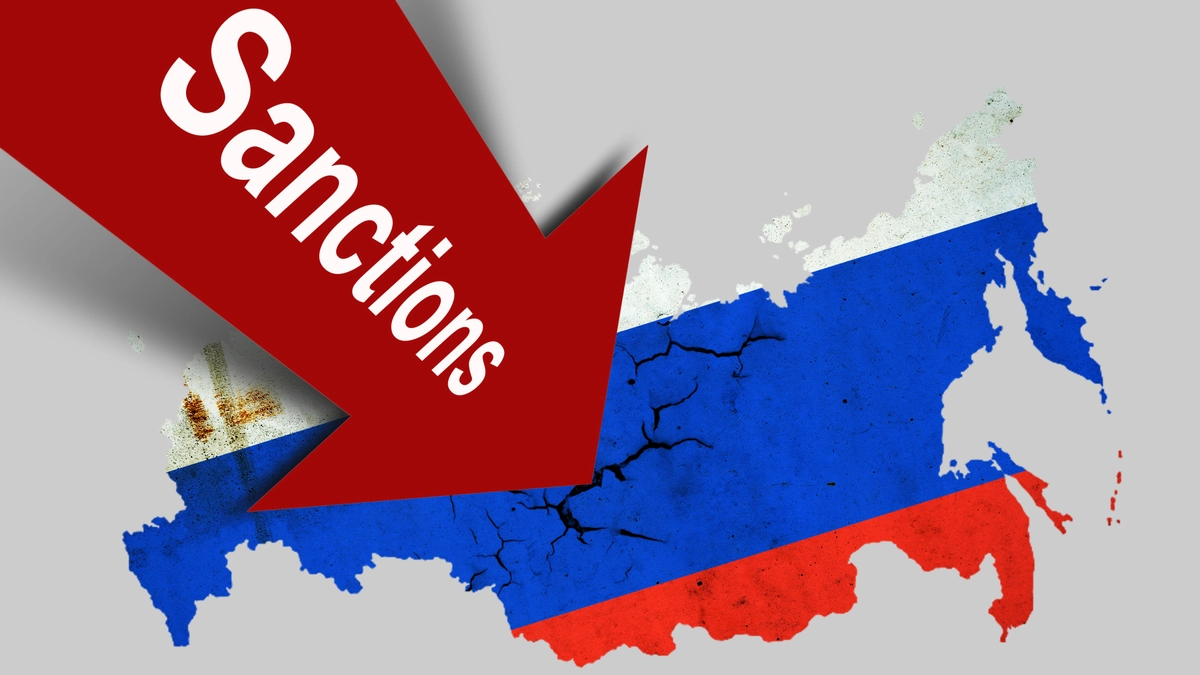
The United Kingdom has unveiled a major new sanctions package against Russia, consisting of 31 fresh measures aimed at the Kremlin’s so-called shadow fleet, its global disinformation networks, and individuals accused of committing serious human rights abuses against Ukrainian civilians and children. The announcement came as Russia intensified its air campaign against Ukraine, launching more than 3,000 jet-powered drones over the country in September alone. The scale of the aerial assault underlined Moscow’s continued willingness to wage war on Ukrainian cities and infrastructure, even as Western allies step up efforts to weaken the Russian economy and isolate the Russian leadership. The package, announced in a press release by the UK government and reported by European Pravda, represents another significant expansion of London’s response to Russia’s full-scale invasion. It builds on earlier sanctions rounds that have already targeted thousands of individuals and entities, yet it also breaks new ground by focusing heavily on the mechanisms that Russia has developed to circumvent existing restrictions, particularly in the energy sector. By targeting vessels used to transport liquefied natural gas, the UK is striking at a crucial source of revenue that Moscow has sought to protect. At the same time, the inclusion of measures against disinformation operatives and human rights abusers signals a determination to address the broader architecture of Russia’s war effort, not only its military and economic dimensions but also its ideological, political, and psychological campaigns.
A central element of the new sanctions package is its focus on human rights violations in the Russian-occupied territories of Ukraine. The UK Foreign Office said that following the “elections” held in temporarily occupied Ukrainian territories earlier this month, London had decided to take action against individuals and organisations found to have undermined Ukraine’s territorial integrity through human rights abuses. These sham electoral exercises, which have been widely condemned as illegal and illegitimate, were used by Moscow to project a veneer of authority over areas it controls by force. In response, the UK sanctioned eight individuals described as being “involved in the arbitrary detention, torture and ill-treatment of Ukrainian civilians.” The move marks a clear statement that the UK considers the mistreatment of civilians in occupied territories not merely a sideshow to the conflict but a central feature of Russia’s occupation strategy. International law and the Geneva Conventions are clear that the protection of civilians in armed conflict is a fundamental obligation, and those who commit abuses are subject to accountability. By targeting these eight individuals directly, the UK is sending a message that those responsible for such actions will face consequences, including asset freezes and travel bans. The Foreign Office’s language was explicit, naming torture and ill-treatment as key concerns, and linking these abuses to Russia’s broader attempt to consolidate control over areas seized during the invasion. The sanctions also align with the UK’s wider use of human rights-based sanctions mechanisms to hold abusers to account, regardless of whether they are state officials, military commanders, or civilian occupation administrators.
In addition to those accused of torturing adults, the UK imposed sanctions on seven individuals for their role in the “indoctrination and militarisation” of Ukrainian children. This aspect of the package reflects mounting international alarm over Russia’s treatment of children in occupied territories and in Russia itself. Numerous reports by international organisations, human rights groups, and Ukrainian authorities have documented the forced transfer, deportation, and re-education of Ukrainian children in territories controlled by Russia. These practices have been widely described as a form of cultural erasure and an attempt to destroy Ukrainian national identity. The individuals targeted in this latest round of sanctions are believed to have been involved in programmes that force children to adopt Russian curricula, reject Ukrainian history, serve propaganda purposes, and undergo military-style training. The UK’s decision to sanction them is part of a broader campaign by Western allies to highlight the issue and seek accountability. By explicitly mentioning “militarisation,” the Foreign Office pointed to efforts to turn Ukrainian children into instruments of Moscow’s military agenda. Such policies have been condemned as violations of the UN Convention on the Rights of the Child and the Fourth Geneva Convention, and they constitute another layer of the human suffering inflicted by Russia’s invasion. The measures mean that these seven individuals are now subject to asset freezes and travel bans, and their actions have been placed on the record as officially recognised abuses. The sanctions also serve as a warning to others involved in such schemes that there will be lasting consequences even after the conflict ends.
Another crucial aspect of the new package is the targeting of Russia’s shadow fleet, a network of vessels that Moscow has used to circumvent sanctions and continue earning revenue from energy exports. The Foreign Office stressed that the Russian state is seeking to create a new shadow fleet to evade sanctions and maintain revenues from gas exports, and the latest measures specifically target several vessels that were acquired to support these efforts. Some of these ships only entered service in July of this year, underscoring the speed at which Russia is adapting its tactics and attempting to outmanoeuvre international enforcement. The shadow fleet is characterized by ageing tankers, opaque ownership structures, the use of flags of convenience, and the deliberate disabling of navigational tracking systems. These vessels often load oil or gas in ways designed to conceal their origins and destinations, including through ship-to-ship transfers in international waters. By focusing on liquefied natural gas tankers, the UK is expanding its enforcement beyond crude oil, which has already been the subject of successive rounds of sanctions. LNG has become an increasingly important source of revenue for Russia, particularly as European countries have reduced their reliance on piped gas. The new measures are intended to disrupt these supply chains and increase the cost of continued Russian aggression. The fact that some of the sanctioned vessels were acquired only months ago demonstrates the need for ongoing vigilance, as Russia continuously tries to rebuild and reconfigure its smuggling networks. The UK’s action also serves as a message to the shipping industry and to third-country jurisdictions that facilitate these operations: facilitating Russia’s shadow trade carries serious consequences, and the sanctions will be enforced.
The sanctions package also confronts Russia’s ongoing “disinformation war across the world,” which the UK says is carried out through a network of anonymous online bot and troll farms aimed at undermining democratic processes and spreading false narratives. In response, the UK sanctioned seven individuals, including four Georgian nationals, “involved in spreading pro-Kremlin disinformation.” This reflects a growing recognition among Western governments that Russia’s influence operations are not limited to its immediate neighbours or to the conflict in Ukraine, but are a global phenomenon designed to sow discord, erode trust in democratic institutions, and manipulate public opinion. The inclusion of Georgian nationals in this sanctions round is particularly significant. Georgia, a country with its own history of Russian interference and occupied territories, has faced destabilisation efforts that Moscow has used to try to steer it away from Western integration. The targeting of these individuals indicates that London is prepared to respond to Russian disinformation networks wherever they are active. The methods used by these networks are well documented: armies of fake social media accounts, coordinated comment campaigns, fabricated stories, and the amplification of divisive political messages. Such tactics have been used in elections, during periods of civil unrest, and in contexts of armed conflict. The UK has repeatedly warned about the danger posed by these operations, and the new sanctions represent a concrete tool to hold specific individuals accountable for their role in these campaigns. By naming and shaming these figures, the UK is also seeking to expose the shadowy infrastructure that supports Russia’s information warfare, while making it harder for those involved to travel, access financial systems, and operate freely.
The latest sanctions come against a broader backdrop of UK enforcement and political accountability on Russia policy. In early September, the UK fined the London branch of US bank Citibank £4.7 million, roughly $6.35 million, for breaching sanctions against Russia. That penalty underscored the seriousness with which British regulators are treating sanctions compliance, and served as a reminder that financial institutions must remain vigilant in preventing their services from being used to circumvent restrictions. On 25 September, Ukrainian President Volodymyr Zelenskyy said he had received assurances from the UK government that there were no plans to lift British sanctions against Russian billionaires Alisher Usmanov and Mikhail Fridman. Both men have been under UK sanctions for years, and their cases have occasionally been the subject of legal challenges and speculation. Zelenskyy’s statement reinforces the message that the UK’s commitment to sanctioning Russian oligarchs remains firm. Taken together, the Citibank fine, the resolution on the billionaires, and the new 31-measure package demonstrate the multi-layered nature of the UK’s approach: it targets individuals, businesses, industries, and state networks involved in the war effort. The package also reflects the evolving character of the conflict, which now encompasses not only military operations but also energy wars, information operations, and systematic human rights abuses. As Russia continues to launch thousands of drones and missiles at Ukrainian cities, these sanctions represent a determined effort to degrade the resources and the people that make such attacks possible. The Foreign Office’s announcement, with its wide range of targets, signals that the UK has no intention of easing pressure on Moscow and that new sanctions will continue to be issued as Russia adapts its strategies. The international community will be watching closely to see how these measures are enforced and whether other allies will adopt similar actions, but for now, the message from London is clear: those who facilitate, profit from, or perpetrate Russia’s war against Ukraine will face ongoing and escalating consequences.


