


Trump Administration Prioritizes Fossil Fuels, Imposing Restrictions on Renewable Energy Development on Federal Lands
The Trump administration has issued a new directive that prioritizes fossil fuels over renewable energy sources like solar and wind. This directive, issued by Interior Secretary Doug Burgum, mandates that federal leasing decisions for energy projects must consider “capacity density,” a metric that favors fossil fuel and nuclear plants. This metric, defined as the ratio of a facility’s expected electricity output to its total land area, inherently disadvantages renewable energy projects, which typically require more land than traditional power plants. Critics argue that this is a deliberate attempt to stifle the growth of renewable energy on federal lands, driven by misinformation and lobbying from the fossil fuel industry.
Fossil Fuel-Backed Misinformation Fuels Anti-Renewable Energy Narrative
The administration’s focus on capacity density echoes arguments used by anti-renewable energy groups, often funded by fossil fuel interests. These groups have been actively campaigning against solar and wind projects across the country, using the land-use argument to garner local opposition. They often compare the land requirements of renewable energy projects unfavorably to those of fossil fuel plants, neglecting to consider the full life cycle impacts of each energy source. This includes the environmental damage associated with fossil fuel extraction, transportation, and combustion, as well as the long-term land use requirements for waste disposal. By focusing solely on the land area occupied by the power generation facility itself, they present a skewed picture of the true environmental impact of each energy source.
Capacity Density: A Flawed Metric Favoring Fossil Fuels
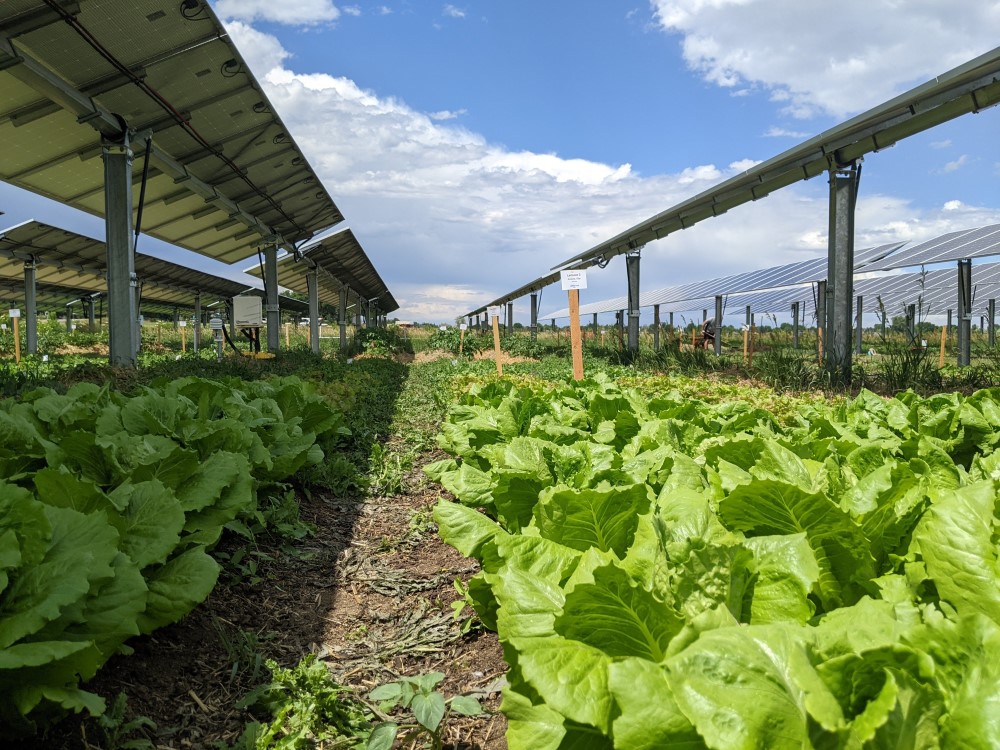
The capacity density metric employed by the Interior Department is flawed in several ways. Firstly, it ignores the entire life cycle of energy production. It only considers the land used for the power plant itself, not the land required for mining, drilling, transporting fuel, or disposing of waste. A full life-cycle analysis would reveal a far more complex picture, highlighting the significant environmental impacts associated with fossil fuels. Secondly, the metric fails to account for the multi-use potential of land used for renewable energy projects. Solar and wind farms can coexist with agriculture, livestock grazing, and other land uses, maximizing the productivity of the land.
Impact on Renewable Energy Development and Climate Goals
The Interior Department’s order has significant implications for renewable energy development on federal lands. A recent report from the National Renewable Energy Laboratory (NREL) identified vast potential for solar and wind development on public lands, essential for achieving grid decarbonization goals. This directive threatens to stifle this potential, delaying the transition to a cleaner energy future. The order also raises questions about whether it might indirectly affect projects on private land that require federal environmental reviews, further impeding renewable energy development.
Critics Decry Politically Motivated Attack on Renewable Energy
Critics of the directive argue that it is a politically motivated attack on renewable energy, driven by an ideological agenda rather than sound environmental policy. They point to the administration’s consistent efforts to promote fossil fuels and undermine clean energy initiatives, including the recent decision by the Department of Agriculture to restrict funding for large solar projects on prime farmland. These actions, they argue, demonstrate a disregard for scientific evidence and a prioritization of short-term economic gains over long-term environmental sustainability.
The Need for a Comprehensive Approach to Energy Policy
The debate over land use and energy production highlights the need for a comprehensive approach to energy policy that considers the full life-cycle impacts of different energy sources. Focusing solely on narrow metrics like capacity density can lead to misguided policies that favor polluting fossil fuels over cleaner, more sustainable renewable energy options. It is crucial to consider the broader environmental, social, and economic impacts of each energy source to make informed decisions that support a transition to a clean energy future. The ongoing debate surrounding the Interior Department’s order underscores the importance of transparency in policymaking and the need to challenge misinformation propagated by vested interests.