


Trump Administration Prioritizes Fossil Fuel Interests, Hinders Renewable Energy Development with Misleading Land-Use Argument
The Trump administration has issued a new directive that mandates federal leasing decisions for renewable energy projects to consider “capacity density,” a metric that disproportionately favors fossil fuels and nuclear power. This directive is the latest in a series of attempts by the administration to stifle the growth of solar and wind energy, based on misleading claims about land use popularized by fossil-fuel-backed groups.
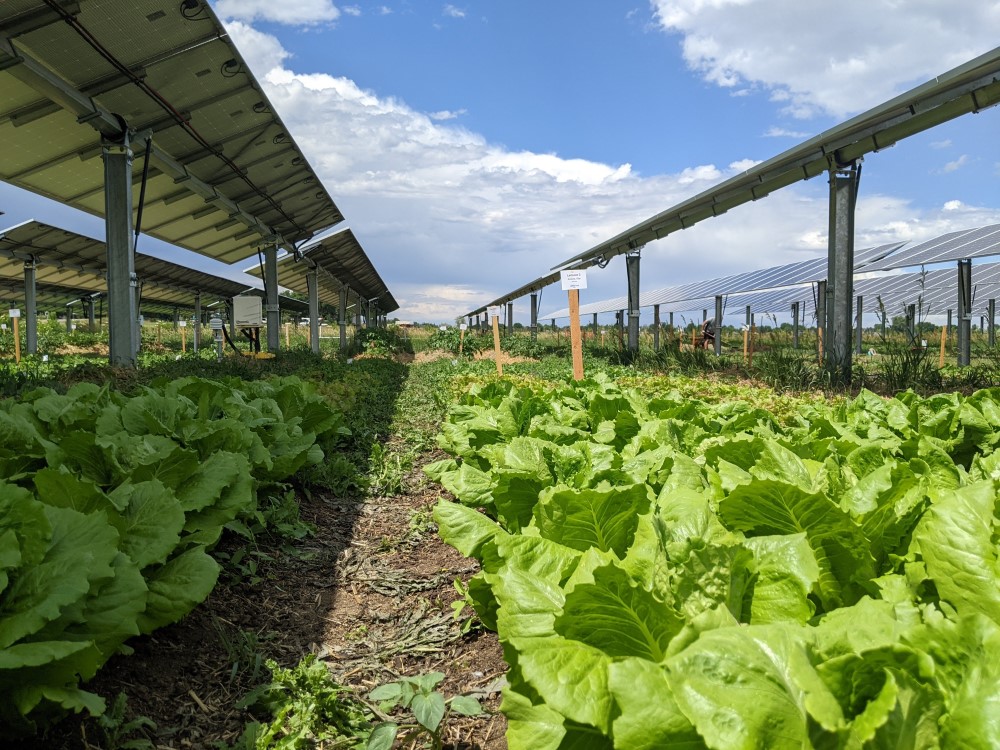
The order, issued by Interior Secretary Doug Burgum, defines “capacity density” as the ratio of a proposed facility’s expected electricity output to its total acreage. This metric ranks nuclear and combined-cycle gas plants higher than renewable energy sources, despite the fact that the calculation fails to account for the full life-cycle land use of fossil fuel and nuclear power generation. This includes land required for fuel extraction, transportation, and waste disposal. Furthermore, the metric ignores the potential for co-locating renewable energy projects with other land uses such as agriculture or grazing.
The administration’s focus on capacity density echoes arguments made by anti-renewable energy groups, often linked to the fossil fuel industry. These groups have consistently opposed solar and wind projects, arguing that they require excessive land use compared to conventional power plants. This narrative, however, ignores the long-term land-use implications of fossil fuel extraction and the potential for multi-use applications of renewable energy infrastructure.
This misleading narrative has infiltrated local communities, impacting public opinion and stalling renewable energy projects. Groups like the Heartland Institute and individuals like Robert Bryce, a former Manhattan Institute fellow, have actively promoted this misinformation, often failing to fully disclose their connections to fossil fuel interests. Their arguments focus on a narrow definition of land use, disregarding the wider environmental and health impacts of fossil fuel extraction, processing, and combustion.
The new directive requires the Interior Department to consider capacity density in environmental reviews, raising concerns about the future of renewable energy development on federal lands. Although a small portion of renewable projects are located on federal land, these areas hold vast untapped potential for solar and wind power generation. A recent report from the National Renewable Energy Laboratory estimated that over 1,300 gigawatts of solar and 60 gigawatts of onshore wind could be cost-effectively developed on public lands, crucial for achieving grid decarbonization goals. The directive’s vague language also leaves open the possibility that it could affect projects on private property requiring federal review.
This new policy is not an isolated incident but part of a broader pattern of actions taken by the Trump administration to hinder the adoption of clean energy. For instance, the U.S. Department of Agriculture recently announced that it would no longer fund large solar projects on prime farmland through its Rural Energy for America Program, a major shift for a program historically supporting on-farm solar development. These actions reflect a clear bias towards preserving fossil fuel interests over promoting a cleaner and more sustainable energy future. Experts warn that the focus on capacity density is an “absurd metric” that misrepresents the true land use of different energy sources and serves to advance a political agenda rather than sound energy policy. The directive’s narrow focus on land use for power generation ignores the broader environmental and health impacts associated with fossil fuels, including air and water pollution, waste disposal, and the impacts of resource extraction. By promoting this misleading narrative, the Trump administration obstructs progress toward a clean energy transition and perpetuates the dependence on polluting fossil fuels.