


A Transcontinental Tide of Disinformation: Burkina Faso’s Narrative Finds Fertile Ground in the Indo-Pacific
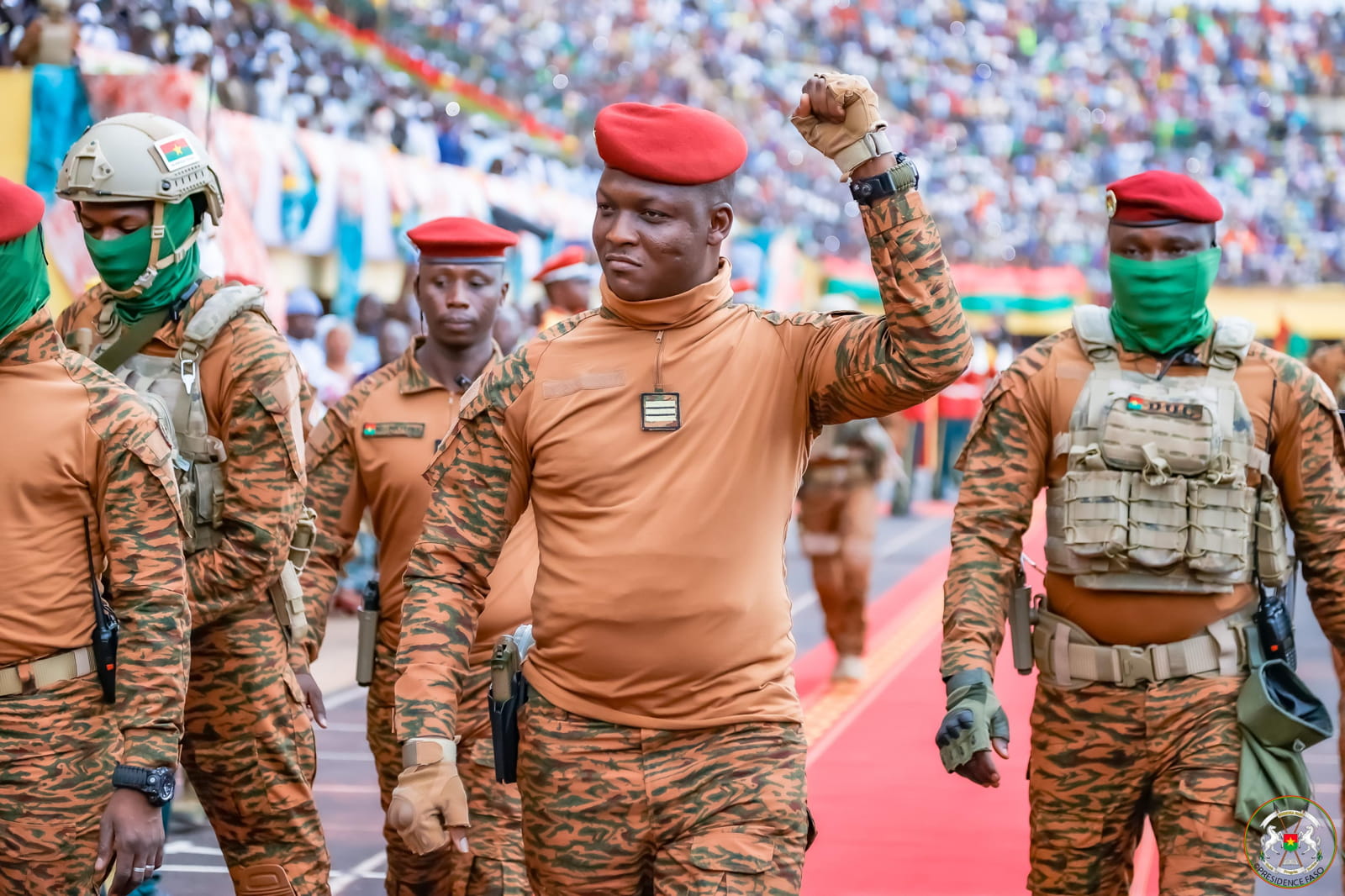
The Indo-Pacific region, a geopolitical hotspot, has become the unexpected recipient of a wave of disinformation originating from Africa, specifically Burkina Faso. This case highlights the increasingly transnational nature of information warfare and the ease with which narratives can be adapted and disseminated across vast geographical distances. Burkina Faso, under the leadership of junta leader Ibrahim Traoré, has become a breeding ground for fabricated content, including deepfake videos featuring Traoré alongside American celebrities and engaging in fictitious debates with prominent figures like Donald Trump. This manipulated media, initially confined to African online spaces, has unexpectedly found its way to the shores of the Indo-Pacific, raising concerns about the reach and potential impact of such disinformation campaigns.
Beginning in early April 2025, a surge of Traoré-related content was observed across social media platforms in Vanuatu, Papua New Guinea, and Solomon Islands, mirroring posting patterns on X (formerly Twitter). A similar influx was observed in Indonesia in late June and July. While appearing to be shared by local users, analysis reveals the content’s origin lies primarily with non-local sources, including African community pages, digital creator accounts, and, notably, some pro-Russia groups based in the United States. These source accounts exhibit suspicious behavioral patterns, including abrupt shifts in their posting narratives. For instance, accounts previously focused on fashion and comedy suddenly pivoted to promoting pro-Traoré content, suggesting a coordinated effort to repurpose existing online platforms for disinformation dissemination.
The core narrative being propagated portrays Traoré as a strongman leader resisting Western influence and ushering in economic prosperity and independence for Burkina Faso. This narrative has been skillfully localized to resonate with audiences in the Indo-Pacific. In Indonesia and Papua New Guinea, opposition groups have utilized AI-generated videos of Traoré’s anti-Western rhetoric to criticize their own governments. In Indonesia, Traoré’s perceived youthful boldness has been contrasted with President Prabowo Subianto’s alleged weakness in trade negotiations. Meanwhile, in Papua New Guinea, fabricated videos depicting the International Monetary Fund conspiring against Burkina Faso’s resources have been circulated as genuine, fueling skepticism about the legitimacy of PNG’s mineral exports.
The timing of these disinformation campaigns aligns with politically sensitive periods in the targeted countries. During a vote of no confidence against Papua New Guinea’s Prime Minister James Marape in April 2025, a Facebook account called “Voices for a New PNG” promoted Traoré as a leadership model, further disseminating false claims and garnering thousands of shares. This content quickly spread to Vanuatu and Solomon Islands, reinforcing the narrative of rejecting Western influence. Similar videos amassed hundreds of thousands of views in Indonesia, demonstrating the potential for such campaigns to reach significant audiences. The strategic deployment of these narratives during moments of political vulnerability suggests a calculated attempt to exploit existing societal tensions.
While the organic reach of these narratives cannot be discounted, the consistent messaging and coordinated dissemination point towards potential foreign influence. The amplification of pro-China and pro-Russia messaging by many of the local accounts spreading the Traoré narrative raises further suspicions. Russia, already implicated in previous disinformation campaigns in the Pacific and believed to be supporting the pro-Traoré campaign in Africa, becomes a prime suspect. Though Russia’s strategic interests in the region may appear limited, its involvement aligns with a broader hybrid warfare strategy targeting France and its former colonies, including Burkina Faso and Vanuatu.
France’s Pacific territories have also been targeted by influence operations, adding another layer of complexity to the regional dynamics. Violent protests in New Caledonia in 2024, allegedly fueled by disinformation campaigns potentially linked to Azerbaijan, have underscored the vulnerability of these territories to external manipulation. These events led to renewed negotiations on New Caledonia’s independence from France, culminating in the Bougival Accord, which grants greater autonomy to the territory. With a referendum on independence scheduled for early 2026, disinformation looms as a potent tool for shaping public opinion and exerting influence over the outcome. China, with its significant strategic interests in the Indo-Pacific and history of echoing Russian disinformation, also emerges as a potential actor in this complex landscape. The “no limits” partnership between China and Russia, coupled with evidence of their previous cooperation on disinformation campaigns in the Solomon Islands, raises the specter of coordinated efforts to destabilize the region.
While definitive evidence linking Russia or China directly to the pro-Traoré campaign remains elusive, the consistency of some content with earlier Russia-linked campaigns warrants further scrutiny. Whether organically driven or orchestrated by external actors, the spread of this disinformation highlights the alarming speed with which narratives can be adapted and weaponized across seemingly disparate geographies. The case underscores the urgent need for enhanced media literacy and critical thinking skills among online communities, coupled with robust efforts to identify and counter disinformation campaigns before they take root and erode trust in democratic processes. The Indo-Pacific, a region of strategic importance, must remain vigilant against these evolving forms of information warfare. The manipulation of narratives, as illustrated by the Traoré campaign, poses a serious threat to regional stability and the integrity of information ecosystems.