


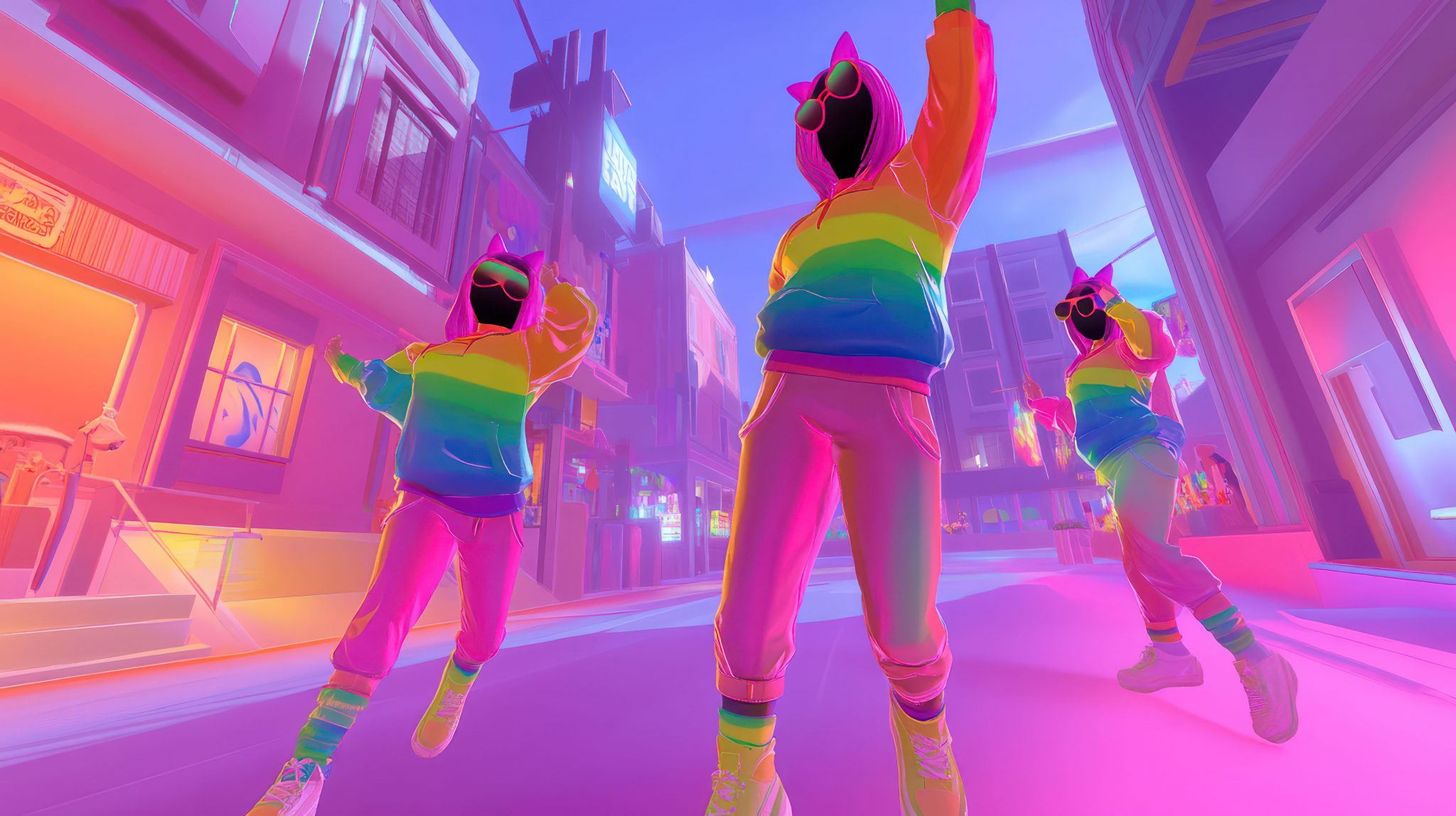
The Untapped Potential: How LGBTQ+ Representation in Gaming Can Level Up the Industry
The gaming industry, a behemoth of entertainment surpassing film and music in global revenue, stands at a crucial juncture. While its influence is undeniable, a significant portion of its potential remains untapped: the power of LGBTQ+ representation. Despite one in five active gamers identifying as LGBTQ+, queer characters and storylines occupy less than 2% of the gaming landscape. This stark disparity presents not only a social issue but also a missed economic opportunity for an industry constantly seeking new avenues for growth and engagement. The clamor for authentic representation is not just a call for diversity; it’s a strategic imperative backed by a surge in social media engagement and a growing market eager for relatable content.
Data Doesn’t Lie: The Social Media Roar for LGBTQ+ Gaming Icons
The evidence is irrefutable: LGBTQ+ characters aren’t merely tolerated in the gaming world; they are celebrated. A single queer character can generate millions of Instagram posts, demonstrating a powerful yearning for representation that translates into real-world impact. From fan art and message boards to passionate discussions on social media, these virtual figures foster a sense of community and belonging, proving that inclusivity isn’t just good ethics; it’s good business. The data paints a clear picture: representation drives engagement, builds community, and creates a lasting cultural impact that resonates far beyond the digital realm.
Gen Z: The Voice of a Queer Gaming Revolution
Gen Z, a generation that spends more time gaming than watching traditional television, is at the forefront of this cultural shift. With a significant percentage of Gen Z adults identifying as LGBTQ+ and nearly all engaging with video games in some form, their voice holds immense sway in the digital landscape. They are the architects of social media trends, and their demand for authentic representation is shaping the future of entertainment. Their embrace of LGBTQ+ characters in gaming isn’t just a fleeting trend; it’s a reflection of their values and a testament to the power of inclusivity in forging connections and building a more representative world.
The Power of Representation: Leading LGBTQ+ Characters and Their Impact
A recent analysis by Mobile Premier League, a leading gaming platform, highlights the social media impact of the 15 most influential LGBTQ+ gaming characters. Characters like Athena from "Borderlands," a lesbian icon with over 1.5 million Instagram posts, and Tracer from "Overwatch," whose coming-out story garnered over 800,000 posts, demonstrate the resonance of authentic portrayal. These characters defy stereotypes and embody the diversity within the LGBTQ+ community, offering relatable experiences that resonate deeply with players and driving meaningful online conversations. Their popularity signifies a shift in the gaming landscape, highlighting the potential of diverse narratives to capture the hearts and minds of players.
Beyond Tokenism: Normalizing Queer Identities in Gaming Narratives
The success of these characters underscores the importance of moving beyond token representation. Ellie from "The Last of Us," Ciri from "The Witcher," and Soldier 76 from "Overwatch," among others, showcase how LGBTQ+ identities can be seamlessly integrated into compelling storylines without resorting to clichés or stereotypes. Their narratives normalize queer experiences, offering players relatable portrayals of love, loss, and self-discovery that transcend labels and resonate with a broad audience. This organic integration of queer identities not only enriches the gaming experience but also fosters a more inclusive and empathetic gaming culture.
From Marginalized to Mainstream: The Future of LGBTQ+ Representation in Gaming
The rise of LGBTQ+ characters in gaming signifies a promising, albeit overdue, shift towards a more inclusive and representative industry. The staggering social media engagement surrounding these characters serves as a powerful message to developers and publishers: diversity is not just a moral imperative; it’s a market imperative. As the gaming industry continues to evolve, embracing diverse narratives and authentic representation will be key to unlocking its full potential and connecting with a wider audience. The future of gaming is inclusive, and the demand for LGBTQ+ representation is not a trend; it’s a transformative force that is reshaping the landscape of interactive entertainment for the better.