


The West’s Achilles’ Heel: How Terrorism Blindsided Democracies and Paved the Way for Russian Information Warfare
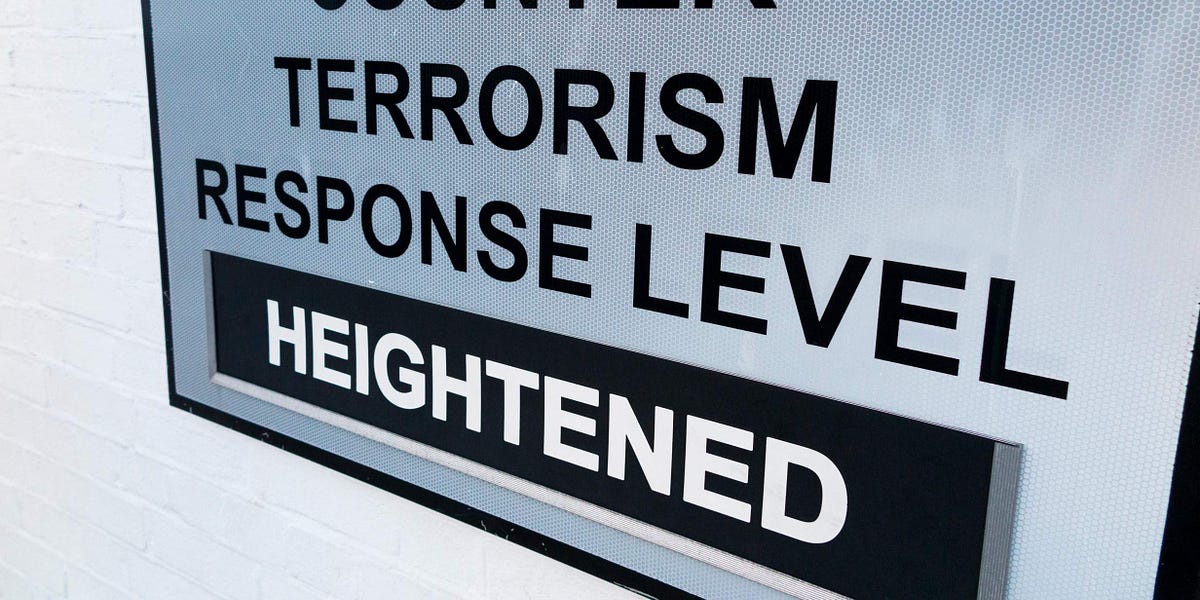
The West’s struggle against Russian information warfare has been a story of repeated failures, leaving democracies vulnerable to manipulation and destabilization. A conversation with Russian spy whistleblower, Sergei Cristo, sheds light on a critical, yet often overlooked, factor contributing to this vulnerability: the diversion of resources and attention to counter-terrorism, leaving a gaping hole in the West’s defenses against espionage and information warfare. Cristo argues that the West, particularly the UK, drastically reduced its counter-espionage capabilities in the wake of rising terrorist threats, inadvertently creating an environment ripe for Russian exploitation. This shift in focus, coupled with a Western underestimation of Russian capabilities, allowed Moscow to conduct its active measures with surprising effectiveness.
The timeline of events paints a stark picture of this strategic miscalculation. The Russian apartment bombings in 1999, followed by the devastating 9/11 attacks in 2001, fundamentally reshaped the global security landscape. These events, coupled with the ongoing threat of nuclear terrorism, shifted national security priorities towards counter-terrorism. Resources, both financial and human, were redirected towards combating this immediate and tangible threat, leaving counter-espionage efforts understaffed and underfunded. This reallocation of resources was not confined to the immediate aftermath of these attacks; the ongoing war on terror continued to consume resources and attention, further weakening the West’s ability to address the more insidious threat of Russian information operations.
Cristo highlights how this shift played directly into Putin’s hands. By contributing to the global climate of fear and instability through acts like the 2014 Czech Republic ammunition depot explosions, initially misattributed to an accident but later revealed as a GRU operation, Putin helped solidify counter-terrorism as the dominant security concern. This allowed Russian intelligence to operate with relative impunity in the information sphere, exploiting the West’s diverted attention and weakened defenses. The West, focused on the “fire” of terrorism, failed to recognize the “smoldering embers” of Russian information warfare, which were slowly but surely igniting the foundations of democratic societies.
This strategic blunder was further compounded by the loss of institutional knowledge and expertise within Western intelligence agencies. As Cristo points out, the experienced Cold War-era officers, trained to recognize and counter Soviet active measures, were gradually replaced by a new generation focused on counter-terrorism. This loss of historical context and specialized skills left the West ill-equipped to understand and respond effectively to the evolving nature of Russian information warfare. The new generation lacked the nuanced understanding of Russian tactics and motivations, making them less capable of anticipating and countering their disinformation campaigns.
The rise of the internet and social media provided fertile ground for Russian active measures to flourish. Disinformation analyst Alex Alvarova emphasizes the importance of human attention in the digital age, noting that it has become the most precious commodity. Autocrats, like Putin, understand this and use “violent shock” tactics, such as terrorist acts or other disruptive events, to capture global attention and create an environment of fear and uncertainty. This chaos then provides cover for their disinformation campaigns, allowing them to sow discord, manipulate public opinion, and undermine democratic institutions.
The West’s failure to effectively combat Russian information warfare is not simply a story of inadequate resources or a lack of awareness. It is a story of strategic miscalculation, a failure to adapt to a changing threat landscape, and a dangerous underestimation of the power of information in the digital age. The focus on counter-terrorism, while understandable given the immediate threat it posed, created a blind spot that allowed Russia to exploit vulnerabilities within democratic societies. Rebuilding the West’s defenses against information warfare requires a significant investment in resources, a renewed focus on counter-intelligence, and a recognition that the battle for hearts and minds is just as important as the fight against physical threats. The West must learn from its past mistakes and develop a comprehensive strategy that addresses the multifaceted nature of modern warfare, one that recognizes the interconnectedness of terrorism, espionage, and information operations. Failing to do so will leave democracies vulnerable to further manipulation and instability, and ultimately undermine the very foundations of their societies.