


The Resurgence of Measles: A Crisis of Visibility and Misinformation
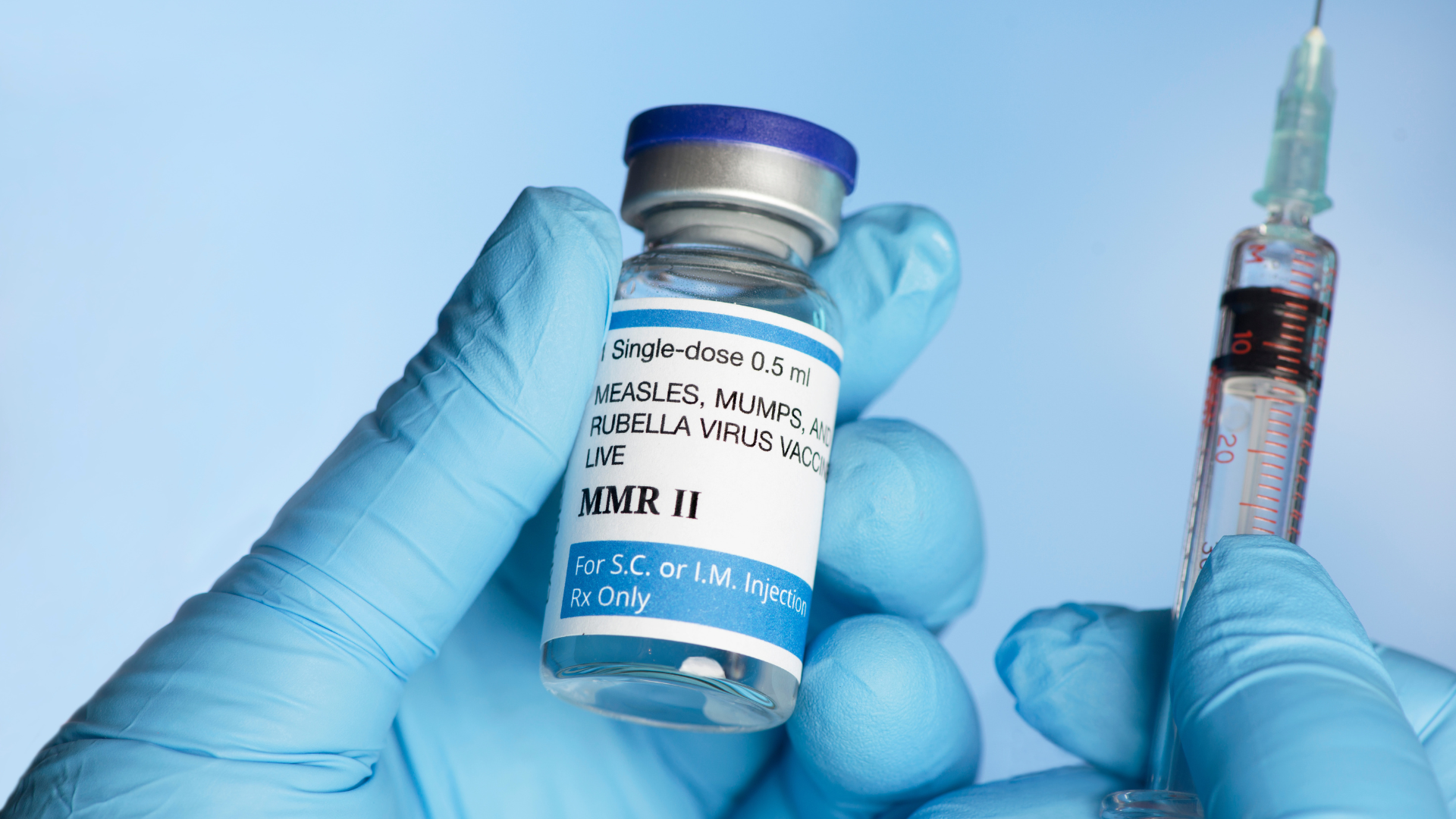
The year 2000 marked a significant victory for public health in the United States: measles, a highly contagious virus, was declared eliminated. This achievement, a testament to the power of widespread vaccination, promised a future free from the debilitating and sometimes fatal consequences of the disease. However, this hard-won victory is now under threat. In a stark reversal, the Centers for Disease Control and Prevention (CDC) reported over 480 measles cases and one death nationwide as of April 2, 2025. This resurgence signals a troubling trend and underscores the fragility of public health gains in the face of misinformation and declining vaccination rates.
The re-emergence of measles is not a random occurrence; it’s a direct consequence of a confluence of factors, chief among them the proliferation of misinformation on social media and podcasting platforms. These platforms have become breeding grounds for false narratives about the severity of measles and the safety and efficacy of the measles vaccine. This misinformation campaign has eroded public trust in scientific consensus, leading to a decline in vaccination rates and creating fertile ground for the virus to spread. The current outbreak, particularly pronounced in West Texas, serves as a stark reminder of the real-world consequences of online misinformation and its potential to undermine decades of public health progress.
Dr. Peter J. Hotez, a renowned vaccine scientist, physician, and public health advocate, points to a critical factor contributing to this crisis: the lack of visibility of scientists in public discourse. He argues that scientists are often "invisible" in public debates, struggling with the demands of research, grant applications, and peer review while remaining largely absent from the public square. This absence creates a vacuum that is readily filled by "bad actors" who disseminate misinformation and portray scientists as villains engaged in nefarious activities.
This lack of visibility, according to Dr. Hotez, is partly self-imposed and partly due to institutional constraints. Scientists, often immersed in the intricacies of their research, may not prioritize public engagement. Furthermore, university leaders, particularly in academic health centers, are often overly concerned with protecting their institutional brand and discourage their scientists from speaking out on controversial issues. This creates a culture of silence that allows misinformation to flourish unchecked.
The consequences of this "invisibility" are far-reaching. When scientists are absent from public conversations, their voices are replaced by those peddling misinformation. This not only undermines public trust in science but also creates a distorted perception of scientific work, portraying scientists as untrustworthy figures rather than dedicated professionals working for the public good. This distorted image further fuels vaccine hesitancy and contributes to the resurgence of preventable diseases like measles.
Addressing this crisis requires a multi-pronged approach. Scientists must become more visible in public discourse, actively engaging with the public to counter misinformation and explain the importance of vaccination. Universities and academic institutions need to foster a culture that encourages public engagement and supports scientists who choose to speak out. Furthermore, social media platforms must take responsibility for the spread of misinformation on their platforms and implement effective strategies to combat its spread. The resurgence of measles is a wake-up call, highlighting the urgent need to restore public trust in science and ensure that accurate information prevails in the fight against preventable diseases.