


Myanmar Earthquake Exposes the Perils of AI-Generated Disinformation in Humanitarian Crises
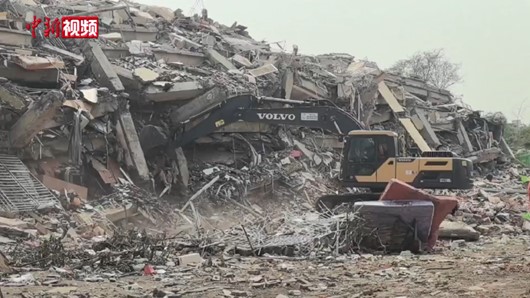
A devastating 7.7 magnitude earthquake struck Myanmar on March 28, 2025, leaving a trail of destruction and highlighting the growing threat of AI-generated disinformation in times of crisis. The quake, which impacted over one million people, causing thousands of casualties and displacing nearly 70,000, exposed the nation to a confluence of challenges: existing socio-economic and political instability, ongoing armed conflict, bureaucratic hurdles hindering aid delivery, and the rapid spread of misinformation fueled by artificial intelligence. The tremors, felt as far away as Bangkok, Thailand, underscored the sheer scale of the disaster, while the subsequent disruption of telecommunications by the military created an information vacuum readily exploited by malicious actors.
The information void left in the wake of the earthquake and communication disruptions became fertile ground for the proliferation of disinformation. Opportunistic individuals, driven by the lure of advertising revenue, leveraged social media platforms to spread fabricated content designed to generate clicks and engagement. One viral video falsely depicted widespread destruction and incorrectly placed temples in Mandalay, misrepresenting both the geographic impact and the severity of the disaster. This incident underscored the dangerous nexus of technology and crisis, where the misuse of AI not only erodes public trust but also actively hinders humanitarian assistance and disaster relief (HADR) efforts.
The rapid advancement of AI technologies presents a double-edged sword. While AI offers immense potential for good, enabling advancements like flood prediction and remote sensing during disasters, it also empowers the creation of highly realistic, yet entirely fabricated, depictions of calamities. These deepfake disaster videos, easily disseminated through social media, can deceive even discerning viewers, particularly during the chaotic aftermath of a real crisis. In humanitarian emergencies, where accurate and timely information is paramount, disinformation sows confusion, erodes trust in authorities and aid organizations, and can ultimately delay life-saving interventions. The 2025 Global Risks Report of the World Economic Forum recognized misinformation and disinformation as a leading global risk, highlighting the growing concern over this emerging threat.
The Myanmar earthquake serves as a stark illustration of disinformation’s detrimental impact on HADR operations. Social media, the primary conduit for the spread of misinformation, is further amplified by AI, enabling faster and broader dissemination of false narratives. This poses a significant threat to time-sensitive rescue operations, where every second counts. In contexts like Myanmar, characterized by limited access to disaster information, early warning systems, and ongoing conflict, disinformation exacerbates existing vulnerabilities, impacting both victims and responders alike. The challenges posed by disinformation are not limited to conflict zones; instances of manipulated images during the 2023 Türkiye-Syria earthquake, deceptive photos during Hurricane Helene in the US in 2024, and the spread of COVID-19 vaccine hesitancy in Southeast Asia demonstrate the pervasive nature of this threat across diverse contexts.
The convergence of disasters, conflict, and AI-driven disinformation presents a global challenge requiring urgent attention. As the frequency and severity of disasters increase and AI becomes more readily accessible, the humanitarian sector, in conjunction with the technology industry, must prioritize information integrity as a critical component of crisis response. While comprehensive AI regulations are still under development within ASEAN, national-level initiatives offer a more immediate path to solutions. Ukraine’s approach to combating disinformation during wartime, utilizing AI tools for early detection of harmful narratives and establishing dedicated institutions like the Center for Combating Disinformation, provides a valuable model. Regional collaborations mirroring Ukraine’s partnerships with European entities, including the EU Stratcom Task Force and NATO’s Strategic Communications Centre of Excellence, are crucial for Southeast Asia, a region particularly vulnerable to frequent and often catastrophic disasters.
While drawing inspiration from Ukraine’s experience, it’s important to acknowledge the contextual differences between crises in Eastern Europe and Southeast Asia. The dynamics of natural disasters present unique challenges that necessitate tailored solutions. ASEAN’s existing disaster management mechanisms, while emphasizing timely and accurate information sharing, lack specific protocols to counter disinformation. The Myanmar earthquake underscores the urgent need to incorporate safeguards against digital threats within disaster response frameworks, both at the national and regional levels. This would not only alleviate the burden on national agencies but also strengthen regional collective response, aligning with the ASEAN vision of "One ASEAN, One Response". Ultimately, recognizing AI as a dual-use technology and investing in robust governance frameworks, capacity building, real-time information sharing, and international collaboration will be crucial to harnessing AI’s potential for good while mitigating its potential for harm in crisis situations and beyond.