


The Allure and Danger of Fad Diets in the Age of Misinformation
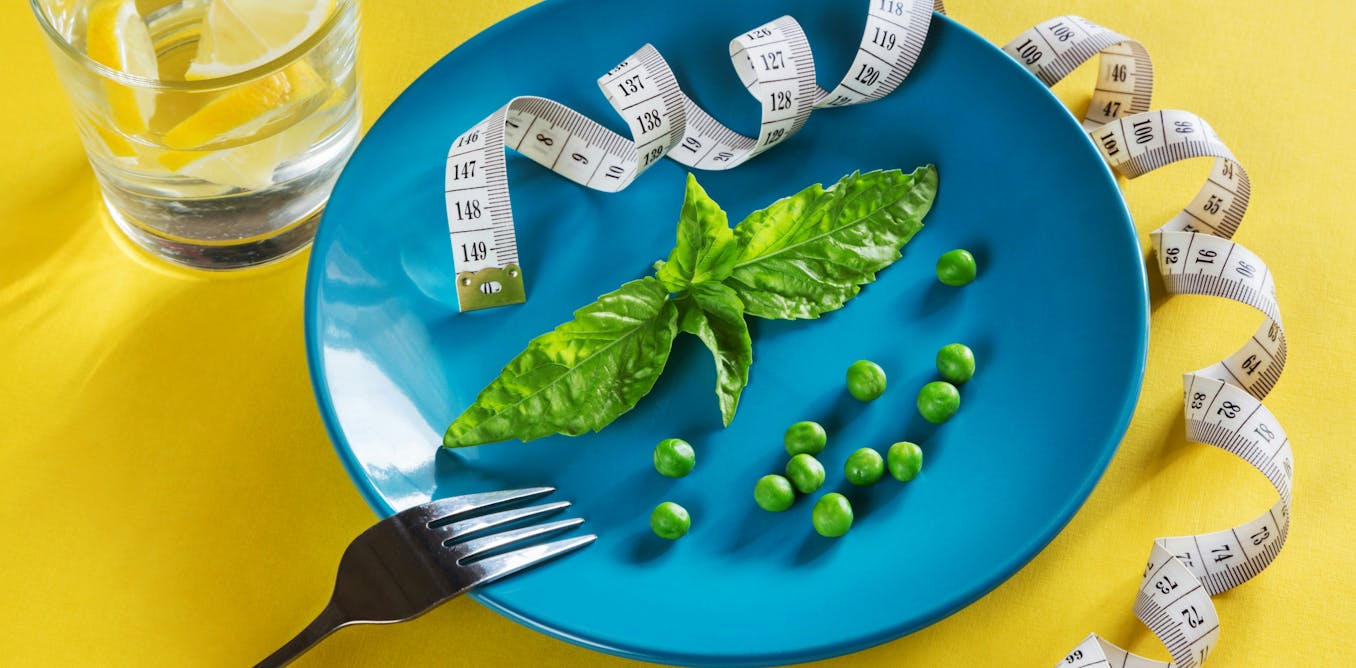
The world of nutrition is constantly bombarded with new diet trends, promising quick fixes and miraculous transformations. From the grapefruit diet of the 1930s to the latest social media sensations, these regimens capture public attention with their enticing claims. However, the rapid spread of information, especially through social media, has created a breeding ground for misinformation, making it challenging to distinguish evidence-based advice from potentially harmful fads. This article delves into the complex interplay of factors driving the popularity of fad diets, the pervasive issue of nutrition misinformation, and the profound impact of food choices on personal identity.
Our food choices are shaped by a multitude of influences, from biological predispositions and cultural norms to sophisticated marketing strategies. While biological factors like our brain’s preference for high-calorie foods play a role, cultural upbringing dictates our familiarity and acceptance of certain staples. Supermarkets, too, strategically influence our purchasing decisions through product placement and visual displays. However, scientific consensus emphasizes the significance of the food environment—the complex systems governing our access to different types of food—as a key determinant of eating behavior. This environment encompasses not only physical access to grocery stores but also the pervasive influence of marketing.
A 2023 meta-analysis revealed the potent effect of food advertisements on brain regions associated with eating behavior. Exposure to food ads, regardless of age, resulted in increased food consumption. This finding, supported by extensive research, underscores the profound impact of our environment on our dietary choices. In today’s digital landscape, saturated with information and misinformation, the influence of online platforms and influencers on our eating habits raises serious concerns.
The proliferation of health misinformation on platforms like TikTok and Instagram is not a new phenomenon. The COVID-19 pandemic, with its enforced periods of isolation and increased online activity, exacerbated this issue. Faulty nutrition claims gained rapid traction, with examples like the carnivore diet and the anti-seed oil movement achieving widespread popularity despite lacking scientific basis. These trends, amplified by social media algorithms and influential personalities, even garnered endorsements from high-profile figures, further legitimizing their claims in the eyes of the public.
A 2022 study reviewing over 60 articles on online nutrition content found that approximately half contained low-quality information. Alarmingly, these dubious claims are often presented with a fervor bordering on zealotry. The passionate, often combative, nature of online discussions surrounding food and nutrition reflects the deep-seated connection between our dietary choices and our sense of self. What we eat becomes intertwined with who we are, making it challenging to objectively evaluate information that challenges our deeply held beliefs.
Food is inextricably linked to identity, acting as a socio-cultural force that shapes our self-perception. Individuals with a tendency towards conspiratorial thinking, often characterized by overreliance on intuition and antagonistic attitudes, are particularly vulnerable to misinformation. They may latch onto fad diets and lifestyles, finding a sense of community and belonging within these online echo chambers. The reinforcement of shared beliefs within these groups shields them from external scrutiny and perpetuates the spread of misinformation.
Fad diets often employ language reminiscent of religious dogma, framing “good” foods as virtuous and “bad” foods as sinful indulgences. This moralistic dichotomy, devoid of scientific basis, influences dietary choices based on subjective values rather than evidence-based principles. Criticizing a diet within these frameworks can be perceived as a personal attack, further solidifying the connection between diet and identity. This explains the resilience of fad diets on social media; they offer not just dietary guidance but also a sense of belonging, moral clarity, and even purpose.
The next time you encounter an influencer promoting a diet, consider their approach. Are they presenting balanced, evidence-based information, or resorting to alarmist language and unwavering conviction? Excessive passion and entrenched views can be red flags for potential misinformation. Critical evaluation of online content is crucial in navigating the complex landscape of nutrition information and making informed choices about our health and well-being. Seeking advice from qualified professionals, such as registered dietitians and nutritionists, remains the most reliable approach to obtaining accurate and personalized dietary guidance. The allure of quick fixes may be tempting, but prioritizing evidence-based practices over fleeting trends is essential for achieving sustainable health outcomes.