


The Misinformation Menace: How Social Media Fuels Deception and Disruption in Pakistan
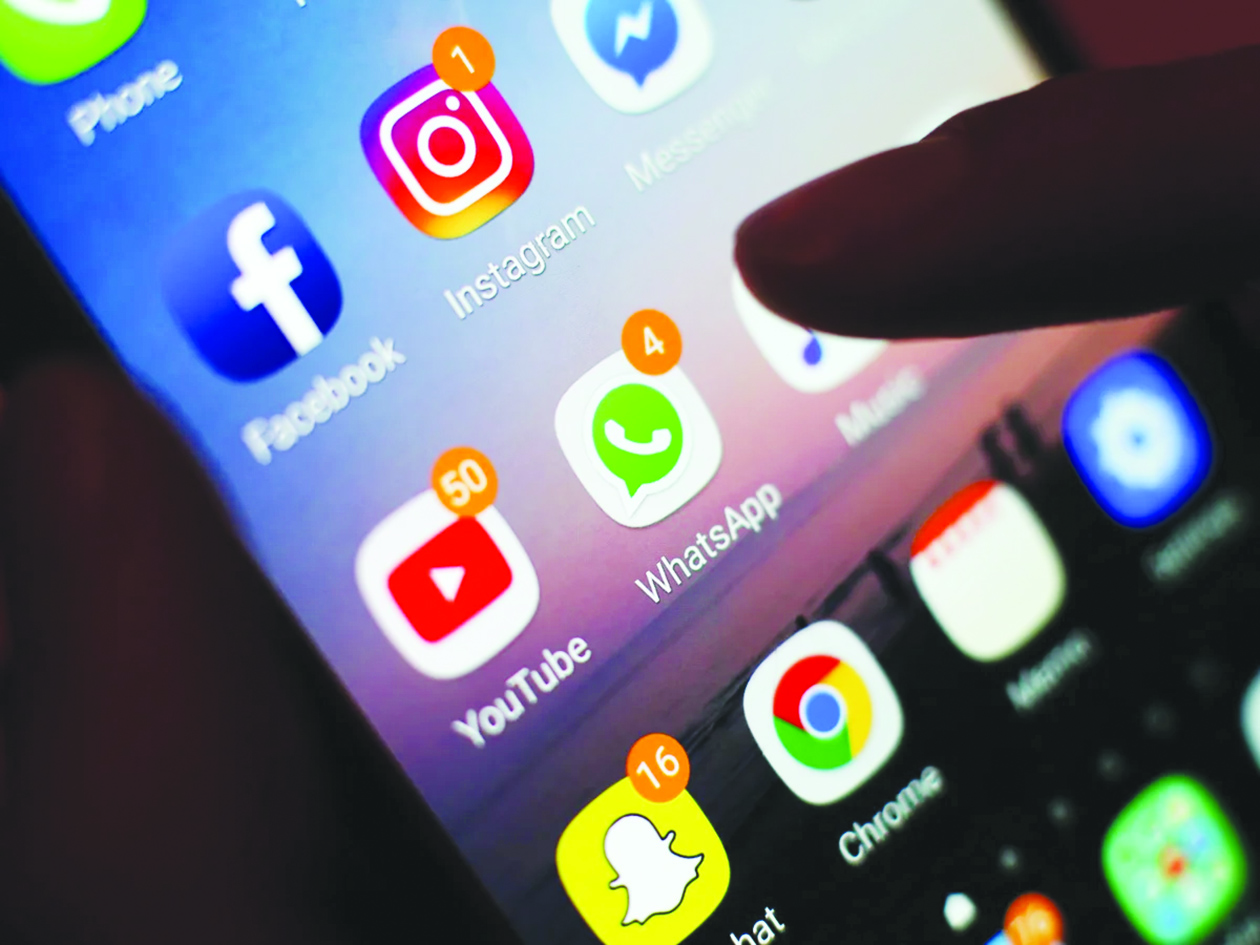
Social media’s meteoric rise in Pakistan, with platforms like Facebook, Twitter, Instagram, and WhatsApp becoming ubiquitous, has ushered in an era of unprecedented connectivity. Millions now engage in public discourse, share information, and connect with others across geographical boundaries. However, this digital revolution has a darker side: the proliferation of misinformation and propaganda, posing significant threats to individuals, society, and even national security. From fabricated news stories to politically motivated disinformation campaigns, the spread of false information online has become a pervasive challenge, demanding urgent attention and collaborative solutions.
Recent incidents highlight the devastating impact of fake news. The viral spread of a false rape allegation against a Punjab College security guard, despite being debunked by authorities, exemplifies the speed and reach of misinformation. The incident, though entirely fabricated, sparked public outrage and caused significant distress to those involved, demonstrating how easily false narratives can take hold and inflict real-world harm. This case underscores the critical need for improved media literacy and responsible online behavior.
The rapid spread of misinformation is fueled by several factors. Low media literacy among internet users contributes significantly to the problem. Many individuals lack the skills to critically evaluate online information, often accepting content at face value without verifying its authenticity. Social media algorithms, designed to maximize engagement, often prioritize sensational or emotionally charged content, regardless of its veracity. This creates a fertile ground for fake news to flourish, particularly in a country like Pakistan where internet penetration is rapidly expanding, exposing a growing population to the risks of online deception.
Political manipulation further exacerbates the misinformation crisis. Political parties and interest groups exploit social media’s reach to disseminate biased or fabricated information, aiming to shape public opinion, discredit opponents, and sow division. During elections or periods of political unrest, false narratives and conspiracy theories proliferate, undermining democratic processes and eroding public trust. The ease with which disinformation campaigns can be launched and amplified online presents a serious challenge to political stability and fair elections.
Beyond political machinations, religious and sectarian propaganda also contributes significantly to the spread of misinformation in Pakistan. Extremist groups leverage social media to disseminate hate speech and distorted narratives, often inciting violence and deepening societal divides. This exploitation of religious sensitivities has real-world consequences, leading to mob violence and targeted attacks fueled by online falsehoods. The volatile nature of religious discourse in Pakistan makes this form of misinformation particularly dangerous, requiring careful monitoring and effective counter-narratives.
Health misinformation poses another critical threat. The COVID-19 pandemic highlighted the dangers of false information regarding health issues, with conspiracy theories about vaccines and treatments spreading rapidly on social media. This led to widespread vaccine hesitancy and undermined public health efforts to control the pandemic. The ease with which false health advice can be disseminated online poses a serious risk to public health, requiring proactive measures to debunk myths and promote accurate information.
The spread of misinformation isn’t solely driven by domestic actors. External state and non-state entities engage in information warfare, utilizing social media to destabilize Pakistan by spreading disinformation. These actors exploit the rapid dissemination capabilities of social media platforms to sow discord, inflame tensions, and erode trust in institutions. Combating this external interference requires strengthening national cybersecurity measures and enhancing international cooperation to address cross-border disinformation campaigns.
Efforts to combat misinformation in Pakistan face significant hurdles. Fact-checking initiatives and content moderation policies implemented by social media platforms, while valuable, often prove inadequate against the sheer volume of content shared daily. Some users also exhibit confirmation bias, choosing to believe information that aligns with their pre-existing views, regardless of fact-checks or warnings. The role of traditional media is also complex; mainstream outlets sometimes inadvertently amplify misinformation by reporting on viral stories without sufficient verification, lending credibility to false claims and expanding their reach.
Addressing the multifaceted challenge of misinformation requires a comprehensive, multi-pronged approach. Promoting media literacy is paramount. Educating the public on how to critically evaluate information, cross-check sources, and identify fake news is essential. Schools, universities, and civil society organizations must play a crucial role in implementing media literacy programs.
Social media platforms must strengthen their content moderation policies and fact-checking mechanisms. This includes developing more sophisticated algorithms to detect false content and implementing stricter penalties for those who deliberately spread misinformation. Collaboration with local authorities to address country-specific challenges is also crucial.
Finally, the government must strike a delicate balance between regulating online spaces and protecting freedom of speech. While heavy-handed regulation risks censorship and curtailing individual rights, appropriate laws and frameworks are necessary to hold accountable those who misuse social media for malicious purposes. This includes addressing legal loopholes and strengthening enforcement mechanisms to deter the spread of harmful disinformation.