


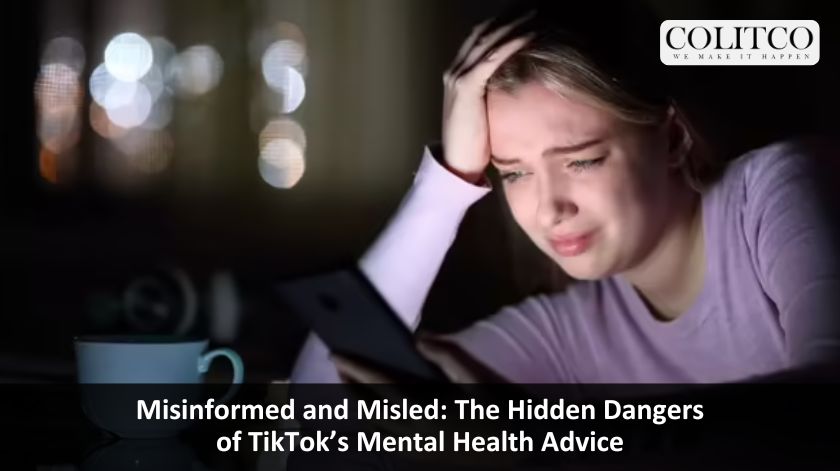
The TikTok Dilemma: Navigating Mental Health Information in the Age of Viral Trends
TikTok, the ubiquitous social media platform known for its short-form videos and viral trends, has become a surprising hub for mental health discussions. While the platform offers a sense of community and accessibility for those seeking support and shared experiences, a shadow looms over this digital landscape: the pervasive spread of misinformation. Studies have revealed that a significant portion of mental health content on TikTok, often disguised as helpful tips or relatable anecdotes, is riddled with inaccuracies, potentially leading vulnerable users down a path of misdiagnosis, ineffective self-treatment, and delayed professional care. This raises critical questions about the responsibility of social media platforms in curating health-related content and the need for media literacy among users navigating this complex digital terrain.
The allure of TikTok lies in its easily digestible format, fostering a sense of connection and understanding among users who share similar experiences. Mental health content, particularly from creators who appear relatable and empathetic, can resonate deeply with viewers struggling with their own mental well-being. This has contributed to a destigmatization of mental health conversations, encouraging open dialogue and fostering online support networks. However, this democratization of information comes at a cost. TikTok’s algorithm, designed to maximize engagement, inadvertently amplifies content that attracts views and shares, regardless of its factual accuracy. This creates a breeding ground for misinformation, where emotionally charged or sensationalized content often overshadows evidence-based advice.
This misinformation takes various forms. One common trend is the oversimplification of complex mental health issues, offering quick fixes and easy solutions that lack scientific backing. Videos promoting remedies like eating specific foods or performing certain rituals to alleviate anxiety or depression can trivialize these conditions and give false hope to those seeking genuine help. Another concerning trend is the proliferation of unverified claims about supplements and alternative therapies, often presented as miracle cures without any scientific evidence. This can lead to self-medication and potentially harmful interactions with other medications, further complicating an individual’s mental health journey.
Furthermore, the casual use of diagnostic terms on TikTok contributes to a culture of self-diagnosis. Users may identify with symptoms described in videos and prematurely label themselves with conditions like anxiety, depression, or even more complex disorders like PTSD, without consulting with qualified professionals. This not only leads to inaccurate self-perception but can also delay seeking appropriate treatment from mental health experts. The promotion of unproven therapies, promising rapid recovery and unrealistic outcomes, further exacerbates this issue. Such claims can set unrealistic expectations and undermine the importance of evidence-based therapeutic approaches, potentially hindering long-term recovery.
The consequences of this widespread misinformation are far-reaching. Self-diagnosis based on inaccurate online content can lead to inappropriate self-treatment and a delay in seeking professional help. Individuals may believe they have found the solution in a viral TikTok video, neglecting the need for a comprehensive assessment and personalized treatment plan from a qualified professional. This can prolong suffering and potentially worsen underlying conditions. Moreover, the misrepresentation of mental health disorders through sensationalized or inaccurate portrayals can perpetuate stigma and misunderstanding, further isolating those struggling with their mental well-being.
Mental health professionals have voiced serious concerns about the impact of TikTok’s misinformation. Experts emphasize the importance of accurate information dissemination, highlighting the potential harm of misusing therapeutic language and oversimplifying complex conditions. They stress that while some videos may contain kernels of truth, they often lack the nuance and context necessary for understanding the complexities of mental health. The casual presentation of mental health advice without proper credentials or scientific backing can blur the lines between normal emotional experiences and diagnosable mental illnesses, leading to confusion and potentially harmful self-treatment.
TikTok has acknowledged these concerns and claims to be actively working to combat misinformation. The platform states that it collaborates with health organizations to promote reliable information and removes harmful content. However, the sheer volume of content uploaded daily makes it a daunting task to effectively police and curate all mental health-related videos. This underscores the need for users to develop critical thinking skills and media literacy to navigate the platform responsibly.
For individuals seeking mental health support on TikTok or any other online platform, it’s crucial to approach content with a discerning eye. Verifying information from reputable sources, such as mental health organizations and certified professionals, is paramount. Users should be skeptical of quick fixes and promises of rapid recovery, recognizing that mental health is a complex journey requiring individualized approaches. Online information should be used as a starting point for further exploration, not as a diagnostic tool. Most importantly, individuals experiencing mental health challenges should consult a qualified healthcare provider for accurate diagnosis and personalized treatment plans.
In conclusion, while TikTok has created a space for open conversation about mental health, it’s essential to approach the platform’s content with caution and critical thinking. The prevalence of misinformation underscores the need for media literacy and the importance of seeking information from credible sources. Ultimately, responsible engagement with online mental health content requires a balanced approach, combining the accessibility of social media with the expertise of qualified mental health professionals. The responsibility lies not only with the platform to curb the spread of misinformation but also with users to discern credible information and prioritize their mental well-being by seeking professional guidance when needed. This collaborative effort can help transform TikTok from a potential source of harm to a valuable resource for accurate and supportive mental health information.