








Paragraph 1: The Escalating Information War and the Latest Exchange
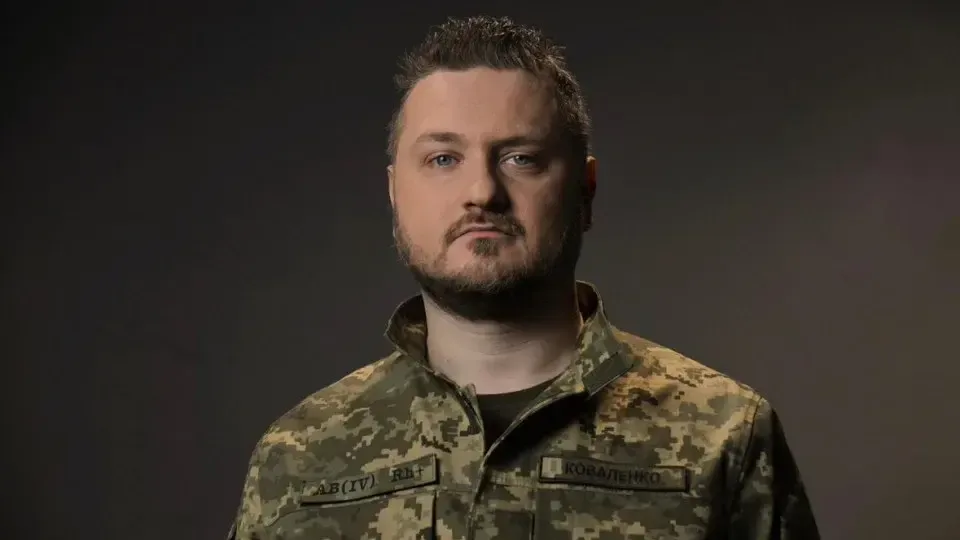
In the high-stakes arena of the Russia-Ukraine conflict, where kinetic warfare on the frontlines is mirrored by a relentless battle for narratives and psychological dominance, a new and pointed exchange has underscored the deep-seated animosity and strategic calculation on both sides. The Center for Countering Disinformation (CCD) of Ukraine’s National Security and Defense Council (NSDC) has issued a scathing and sarcastic response to a recent post by the Russian Ministry of Defense. The Russian post, which featured images of Iranian-designed “Shahed” loitering munitions alongside a menacing promise of a “freeze,” was clearly intended as a psychological weapon aimed at the Ukrainian civilian population, threatening a repeat of the brutal winter blackouts that have plagued the country in previous years. However, the Ukrainian response, delivered by the head of the CCD, Andrii Kovalenko, did not merely dismiss the threat; it turned the narrative back on the Russian people, warning that the consequences of Moscow’s military strategy would inevitably boomerang, leading to suffering within Russia itself. This rhetorical volley is not just a matter of public posturing; it is a critical component of the broader war effort, reflecting the understanding that morale, both at home and in the enemy camp, is a vital strategic asset. The exchange highlights the sophisticated use of social media and official channels to shape perceptions, manage expectations, and sow discord, with each side attempting to frame the conflict in terms that favor their own strategic objectives and undermine the resolve of the opposing population.
Paragraph 2: Kovalenko’s Sharp Retort and the “Mirror” Strategy
Andrii Kovalenko, the head of the Center for Countering Disinformation, did not mince words in his response, which was disseminated via his official channels and quickly picked up by Ukrainian and international media. He recalled the age-old adage, “you reap what you sow,” a phrase that carries immense weight in the context of a war that has brought devastation to Ukraine but also significant economic and social costs to Russia. Kovalenko’s response was deliberately provocative and dismissive, suggesting that he could easily post a picture of a ballistic missile or a Ukrainian drone with a similar ominous caption, but questioned the utility of such a move. Instead, he chose to address the Russian public directly, stating that they should now know who will be responsible for their lack of electricity in the coming winter, and for some, the lack of heat, in addition to the already existing fuel shortages. This is a masterful piece of psychological warfare, as it directly links the actions of the Russian Ministry of Defense to the hardships that Russian citizens are likely to face. By framing the Russian military’s threats against Ukraine’s energy grid as a self-inflicted wound for the Russian populace, Kovalenko aims to foster domestic discontent and undermine the Kremlin’s narrative that the war is a distant, heroic endeavor with no cost to the average Russian. The “mirror” strategy, as he called it, is a powerful tool, suggesting that the violence and destruction Russia exports will inevitably reflect back upon itself, a concept that resonates deeply in a conflict where economic sanctions and the diversion of resources to the military have already strained the Russian economy.
Paragraph 3: The Russian MoD’s Psychological Posturing and the Threat of Winter
The original Russian Ministry of Defense post, which featured the Shahed drones and the promise of a “freeze,” is part of a broader, well-documented pattern of psychological warfare employed by Moscow. By explicitly threatening Ukraine’s energy infrastructure, Russia aims to achieve several objectives: to demoralize the Ukrainian population, to force the Ukrainian government to divert scarce resources to air defense and infrastructure repair, and to create a sense of impending doom that could erode public support for the war effort. The use of Shahed drones, which are relatively inexpensive and can be launched in large swarms, signals a strategy of attrition, designed to overwhelm Ukrainian air defense systems and exhaust its interceptor missile stockpiles. The promise of a “freeze” is a direct reference to the previous winters, where Russia launched massive, coordinated strikes on power plants, substations, and heating facilities, leaving millions of Ukrainians without electricity, water, and heating in sub-zero temperatures. This tactic is a form of collective punishment, targeting civilians in an attempt to break their will to resist. However, the Ukrainian response, as articulated by Kovalenko, reframes this threat as a double-edged sword. While the strikes may cause immense suffering in Ukraine, they also serve to galvanize international support and aid, and they further entrench the perception of Russia as a rogue state willing to commit war crimes. Moreover, the economic and logistical costs of sustaining such a campaign are immense, and the diversion of resources to produce and launch these drones has a direct impact on Russia’s own domestic stability, a point that Kovalenko was quick to exploit.
Paragraph 4: The ISW Report and the Imminent Threat of a Large-Scale Strike Campaign
Adding a layer of strategic urgency to this rhetorical exchange is a new report from the Institute for the Study of War (ISW), a prominent US-based think tank that provides detailed analysis of the conflict. In a report dated August 10, ISW analysts noted that Russia is likely to intensify its attacks on Ukraine’s energy infrastructure in the winter of 2026/2027. More alarmingly, the report stated that the Kremlin is reportedly planning to launch a large-scale strike campaign against energy infrastructure in Kyiv over the coming weeks, with a potential start date around August 24, which is Ukraine’s Independence Day. The ISW’s assessment is based on a combination of satellite imagery, intercepted communications, and an analysis of Russian military doctrine and capabilities. The analysts suggest that the primary goal of this campaign is to disrupt Ukraine’s ongoing efforts to strengthen and repair its energy facilities, which have been repeatedly damaged in previous attacks. By striking before the winter season, Russia aims to prevent Ukraine from stockpiling fuel, repairing critical infrastructure, and installing new protective measures. Furthermore, the ISW highlights that Russia is seeking to take advantage of Ukraine’s persistent shortage of interceptor missiles. This shortage is a critical vulnerability, as it means that Ukraine cannot effectively defend all of its energy infrastructure against a large-scale, multi-wave attack. The report underscores the grim reality that the coming months will be a critical test for Ukraine’s resilience, as it faces the dual challenge of defending its skies and keeping its civilian population warm and powered.
Paragraph 5: The Strategic Implications for Ukraine and the Broader Conflict
The implications of the ISW report and the ongoing threats are profound for Ukraine. The prospect of another winter of blackouts and heating failures is a daunting one, with the potential to cause immense human suffering, displace populations, and severely hamper the country’s economic output. The shortage of interceptor missiles means that Ukraine must make agonizing choices about which targets to prioritize, leaving other critical infrastructure exposed. This forces a strategic dilemma: whether to concentrate air defense assets around major cities and power plants, or to spread them thinly across the country, risking being overwhelmed in any one location. For Russia, the strategy of striking energy infrastructure is a calculated gamble. While it may weaken Ukraine’s resolve and its ability to sustain the war effort, it also carries significant risks. The strikes provoke international condemnation, leading to further sanctions and increased military aid for Ukraine. They also reinforce the narrative that Russia is a terrorist state, which can have long-term diplomatic and economic consequences. Moreover, as Kovalenko pointed out, the war is already taking a heavy toll on Russia itself. The Russian economy is strained by sanctions, the ruble has fluctuated, and there are reports of fuel shortages and inflation in various regions. The diversion of resources to the military and the defense industry has a direct impact on the living standards of ordinary Russians. The “mirror” effect is not just a rhetorical flourish; it is a reflection of the interconnected nature of the conflict, where the suffering inflicted on one side inevitably has repercussions for the other.
Paragraph 6: The Outlook and the Enduring Power of the “You Reap What You Sow” Narrative
As the conflict enters a new and potentially decisive phase, the exchange between the Russian Ministry of Defense and the Ukrainian Center for Countering Disinformation serves as a stark reminder of the multifaceted nature of modern warfare. The information domain is just as critical as the physical battlefield, and the ability to shape narratives, manage expectations, and influence public opinion can have a direct impact on the outcome of the war. Kovalenko’s response, with its sharp wit and its direct appeal to the Russian people, is a testament to Ukraine’s resilience and its determination to fight back on all fronts. The “you reap what you sow” message is a powerful one, carrying with it the weight of historical precedent and the promise of karmic justice. It suggests that the violence and destruction that Russia has unleashed upon Ukraine will ultimately come back to haunt it, whether through economic collapse, political instability, or the simple, human cost of a prolonged and brutal war. The ISW report adds a layer of grim realism to this narrative, warning of an imminent and large-scale assault on Ukraine’s energy grid. The coming weeks and months will be a critical test of Ukraine’s ability to withstand this onslaught, and of Russia’s willingness to continue to sacrifice its own people’s well-being for the sake of a war that has already brought so much suffering. The world will be watching, and the outcome of this winter will not only determine the course of the war but also the future of the region and the global order. The mirror, as Kovalenko suggested, is always working, and the consequences of Russia’s actions are inevitable.


