


The University of Mississippi Tackles the Impact of Social Media and AI on Democracy
The inaugural symposium hosted by the University of Mississippi’s Jordan Center for Journalism Advocacy and Innovation delved into the complex intersection of social media, artificial intelligence, and democracy. Held on April 2-3, 2024, the event, titled "Addressing the Impact of Social Media and Artificial Intelligence on Democracy," brought together a diverse group of experts, journalists, academics, and members of the public to explore the challenges and opportunities presented by these rapidly evolving technologies. The symposium, funded by a $4 million donation from former UM professors Jerry and Jean Jordan, aimed to foster critical media literacy in a digital age increasingly shaped by AI and social media.
The rise of artificial intelligence emerged as a central theme throughout the symposium. Speakers emphasized both the potential benefits and inherent risks of AI in the context of journalism and democratic processes. Andrea Hickerson, dean of the School of Journalism and New Media, stressed the need for public communicators, journalists, and consumers to develop a fundamental understanding of AI, given its significant implications for the public sphere. The conversations highlighted the urgency of addressing the societal impacts of AI and the importance of responsible development and deployment of these powerful tools.
Keynote speaker Richard Lui, a prominent news anchor for NBC and MSNBC, underscored the need for the news media to assert control over how AI utilizes news content. Lui argued that news organizations possess valuable data that can be leveraged to train AI models, advocating for the development of AI engines guided by journalistic standards. He cautioned against repeating the mistakes made with social media, where news organizations ceded control over their content, and urged proactive engagement with AI to prevent its misuse and manipulation.
Legal perspectives on the relationship between AI and journalism were provided by Ian B. Crosby, the lead attorney in a landmark copyright infringement case involving the New York Times and OpenAI. Crosby expressed optimism about the potential for positive coexistence between journalism and AI, highlighting practical applications such as AI-assisted analysis of large datasets and document review. This perspective was echoed by nationally acclaimed journalist Elise Jordan, who emphasized the transformative potential of AI in newsrooms and the need for responsible integration of this technology into journalistic practices.
The symposium also addressed the ethical concerns and potential downsides of AI. Meetali Jain, founder of the Tech Justice Law Project, expressed apprehension about the rapid pace of AI development and warned against prioritizing speed over responsible implementation. Jain criticized the "move fast and break things" mentality often associated with technological innovation, arguing for a more cautious and considered approach to AI development that prioritizes human well-being. Justin Hendrix, CEO of Tech Policy Press, cautioned against the potential for AI to diminish critical thinking skills by automating information synthesis and analysis, emphasizing the importance of retaining human agency in these processes. Meredith Broussard, a data journalist and professor at NYU, reinforced this concern, highlighting the value of human interaction and the potential negative consequences of an overly technology-driven future.
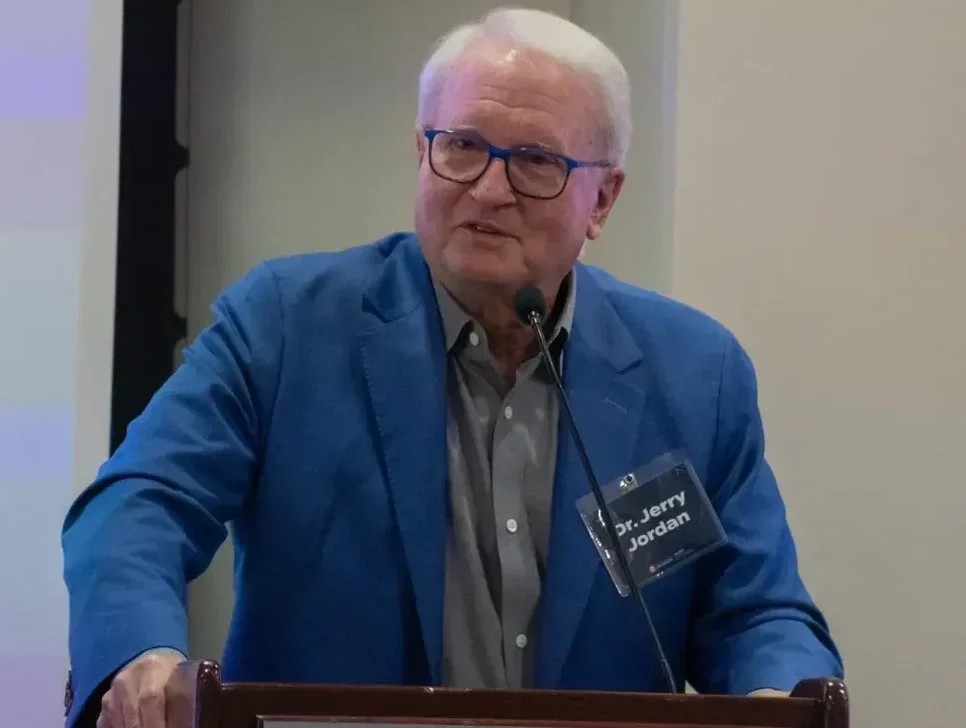
The symposium concluded with a call for continued dialogue and education on the evolving interplay between technology, journalism, and democracy. Jerry Jordan, the benefactor of the Jordan Center, encouraged attendees to propose topics for future symposia, underscoring the importance of ongoing engagement with these critical issues. He reiterated the significance of education in navigating the complex landscape of the digital age, emphasizing the need for informed perspectives grounded in truth. The event served as a crucial platform for exploring the multifaceted challenges and opportunities presented by AI and social media, fostering a deeper understanding of their impact on democratic values and the future of journalism. The discussions highlighted the urgency of addressing these issues and the importance of collaboration between industry experts, academics, policymakers, and the public to ensure responsible and ethical development of these powerful technologies.