


The Spillover Effect: How U.S. COVID-19 Misinformation Infiltrates Canadian Social Media and Public Perception
The COVID-19 pandemic triggered a parallel "infodemic," a deluge of misinformation that blurred the lines between fact and fiction. This phenomenon transcended geographical boundaries, particularly impacting Canada due to its close proximity and cultural ties with the United States. The study reveals how a significant portion of the Canadian population embraced COVID-19 misperceptions despite consistent messaging from traditional media and political leaders, raising questions about the effectiveness of domestic information campaigns in the face of external influences.
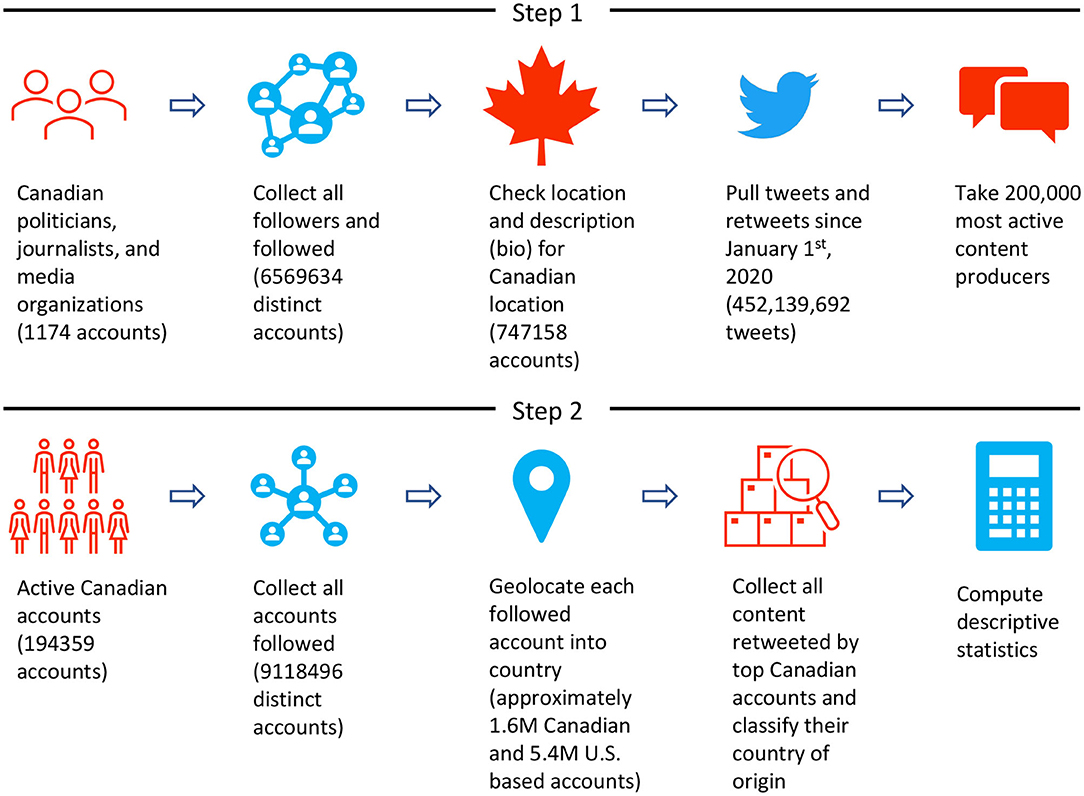
The research focuses on the role of social media platforms like Twitter in the dissemination of misinformation. Analyzing a vast dataset of Canadian Twitter users, the study demonstrates a stark pattern: Canadians predominantly follow and engage with U.S.-based accounts, exposing themselves to a disproportionate amount of American information, including misinformation. This trend is especially pronounced when examining content related to COVID-19, particularly misinformation surrounding the virus.
The study identifies a clear pathway for the infodemic’s spread: the substantial consumption of U.S.-based information by Canadians, exacerbated by social media usage. This cross-border flow of information creates a unique vulnerability for Canada. While Canadian authorities and experts largely maintained a consistent narrative on the pandemic’s severity, the U.S. information landscape was significantly more polarized, with right-wing media outlets and some political figures actively propagating misinformation.
This partisan divide in the U.S. had spillover effects on Canadian social media. The study found a strong association between exposure to U.S.-based information and engagement with COVID-19 misinformation on Twitter. This suggests that the U.S. information environment, rife with misinformation amplified by political and media figures, contributed to the spread of misperceptions among Canadians.
Further analysis revealed a crucial interaction between social media usage and preference for U.S. news. The association between social media consumption and COVID-19 misperceptions was markedly stronger among individuals who preferred U.S. news sources. This highlights how social media, while not the sole source of misinformation, acts as an amplifier, particularly for content originating from the more polarized U.S. information ecosystem.
The study’s findings raise critical policy implications for combating misinformation. While national governments grapple with regulatory measures to control misinformation within their borders, the porous nature of online information flow complicates these efforts. International events like the pandemic generate information that easily traverses borders, and if that information is tainted by misinformation, it can undermine public health initiatives. The study’s insights underscore the need for policies that address the cross-national spread of misinformation, focusing on digital literacy and critical evaluation of online content, as well as considering the role of social media algorithms in inadvertently promoting foreign content.
The Uniquely Canadian Challenge: Navigating the U.S. Infodemic
Canada’s close relationship with the United States, often likened to "sleeping with an elephant," creates a unique challenge in managing the influx of information. The pervasive influence of U.S. media and culture has historically been a concern, shaping Canadian public policies aimed at protecting domestic media and culture. However, the rise of social media further complicates this dynamic by blurring national boundaries and facilitating the rapid exchange of information regardless of origin.
The study focuses on COVID-19 misinformation, but the findings likely extend to other globally relevant issues. The research suggests that Canadian discourse on topics like climate change, immigration, and international relations may similarly be susceptible to infiltration by U.S.-based misinformation, especially when amplified by social media platforms.
The research employs a mixed-methods approach, combining analysis of a large Twitter dataset with survey data from the Media Ecosystem Observatory. This provides a comprehensive view of information consumption patterns, both observed behavior on social media and self-reported news preferences. The Twitter data reveals the extent of exposure to U.S.-based information, while the survey data links this exposure to COVID-19 misperceptions.
The study notes certain limitations, including focusing on Twitter data, the potential inaccuracies of dictionary-based misinformation identification, the observational nature of the study, and the lack of access to social media algorithms. These limitations underscore the challenges in conducting research on the complex information ecosystem but don’t diminish the core findings about the cross-border flow of misinformation.
Key Findings and Implications
The study unequivocally demonstrates the significant impact of U.S.-based information, especially misinformation, on Canadian social media and public opinion during the COVID-19 pandemic. Canadians’ heavy consumption of U.S. news through social media channels exposed them to a disproportionate amount of misinformation, contributing to a rise in misperceptions about the virus. This has significant implications for public health communication: even with consistent messaging by domestic leaders and experts, external misinformation can infiltrate and undermine national responses to crises.
The study reinforces the role of social media as an amplifier of information, whether accurate or misleading. For those who primarily consume U.S. news, social media’s effect in shaping COVID-19 misperceptions was pronounced. This highlights the importance of platform governance and algorithmic transparency to mitigate the spread of misinformation.
Recommendations for Addressing the Infodemic
The study’s findings provide practical recommendations for policymakers seeking to combat misinformation:
-
Acknowledge cross-border information flows: Recognize that national boundaries don’t restrict misinformation. Addressing domestic misinformation requires considering external sources and pathways.
-
Promote digital literacy: Encourage critical evaluation of online information, regardless of source. Equip citizens with tools and skills to discern credible sources from misinformation.
-
Investigate algorithmic influence: Research the role of social media algorithms in promoting foreign content and suggest regulations to mitigate their impact on domestic narratives.
- International collaboration: Foster cooperation between countries to manage information flows and address misinformation impacting shared public health concerns.
Conclusion
The COVID-19 infodemic demonstrated how quickly and easily misperceptions can spread across borders, fueled by social media and amplified by politically charged information environments. The study provides a clear picture of this phenomenon impacting Canada, highlighting the importance of understanding and mitigating the influence of external misinformation on public discourse. Addressing the infodemic requires collaborative efforts between governments, social media platforms, and citizens to ensure informed and accurate dialogue during times of crisis and beyond.