


The Digital Battlefield: How Social Media and Resource Constraints Shape Garda Response to Public Disorder
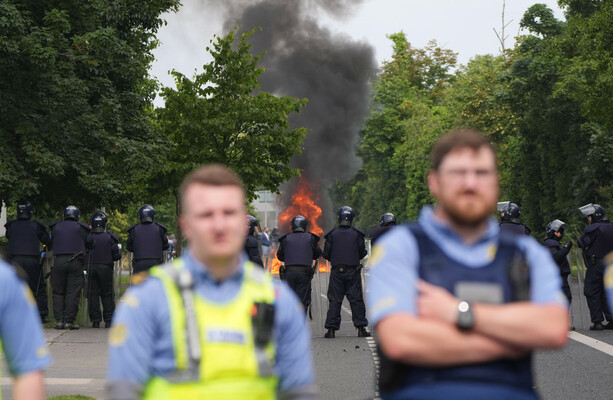
The increasing prevalence of edited videos on social media platforms, coupled with fluctuating resourcing levels within An Garda Síochána, are significantly impacting the Garda approach to public order incidents and the use of force during riots. This complex interplay creates a challenging environment for law enforcement, necessitating a careful examination of how these factors influence Garda decision-making, public perception, and ultimately, the effectiveness of policing strategies in maintaining order and ensuring public safety. The rapid dissemination of often decontextualized or manipulated footage online can inflame tensions, escalate violence, and erode public trust in law enforcement, while simultaneously placing immense pressure on Gardaí to react swiftly and decisively, potentially leading to escalated use of force. Conversely, under-resourcing can limit the Gardaí’s capacity to effectively manage large-scale disturbances, leaving officers vulnerable and potentially forcing them to resort to more forceful tactics to control crowds.
The rise of citizen journalism and the ubiquity of smartphones have fundamentally altered the landscape of public order policing. While offering valuable opportunities for transparency and accountability, social media platforms can also be weaponized to distort narratives and unfairly target individual officers. Edited videos, often stripped of crucial context, can portray isolated incidents of force as representative of overall Garda conduct, fueling public outrage and undermining the legitimacy of law enforcement actions. This phenomenon creates a "trial by social media" scenario, where officers are judged based on fragmented and potentially misleading information, impacting morale and potentially influencing operational decisions. Furthermore, the viral nature of such content can exacerbate existing tensions within communities, inciting further unrest and complicating efforts to de-escalate volatile situations. The challenge for Gardaí lies in balancing the need for transparency with the risks posed by the rapid spread of misinformation and the potential for manipulated footage to incite further violence.
Resource constraints further complicate the Garda response to public disorder. Limited personnel, equipment, and training can hinder the implementation of effective de-escalation techniques and increase the likelihood of resorting to force. When faced with overwhelming numbers or rapidly evolving situations, understaffed Garda units may feel compelled to utilize more forceful tactics to maintain control and protect themselves and the public. This can create a vicious cycle, as the use of force, even when justified, can be easily misconstrued and amplified on social media, further escalating tensions and potentially leading to more widespread violence. Adequate resourcing, including specialized training in crowd management and de-escalation techniques, is essential to equip Gardaí with the tools and skills necessary to navigate complex public order incidents effectively and minimize the need for physical intervention.
The impact of social media and resourcing levels extends beyond individual incidents and influences broader Garda strategies for managing public disorder. The constant scrutiny and potential for rapid online dissemination of events can lead to a more cautious and reactive approach, potentially hindering proactive engagement with communities and exacerbating existing tensions. Fear of negative publicity and potential disciplinary action can also create a chilling effect on officer decision-making, potentially leading to a reluctance to intervene in volatile situations or utilize necessary force when warranted. This can further erode public trust and create a perception of impunity, potentially emboldening those seeking to incite violence or disrupt public order. A balanced approach that prioritizes both accountability and officer safety is crucial to maintaining effective policing and fostering positive community relations.
Addressing these challenges requires a multi-pronged approach. An Garda Síochána must invest in comprehensive training programs that equip officers with the skills and knowledge necessary to navigate the complexities of public order policing in the digital age. This includes training on de-escalation techniques, communication strategies, and the ethical use of force, as well as an understanding of how social media can be used to both inform and inflame public sentiment. Furthermore, fostering transparency and open communication with the public is crucial to building trust and countering misinformation. This includes providing timely and accurate information about incidents, proactively addressing public concerns, and engaging with communities to build positive relationships.
Finally, ensuring adequate resourcing for An Garda Síochána is paramount. Investing in personnel, equipment, and technology allows for more effective deployment of resources, enhances the capacity for proactive policing and community engagement, and reduces the likelihood of resorting to force in volatile situations. This investment not only strengthens the Gardaí’s ability to maintain public order but also fosters a safer environment for both officers and the public alike. A holistic approach that addresses training, transparency, and resourcing is essential to effectively managing public disorder in the digital age and ensuring the safety and security of all.