


Social Media’s Surprising Impact: Is the Priesthood Trending for Gen Z?
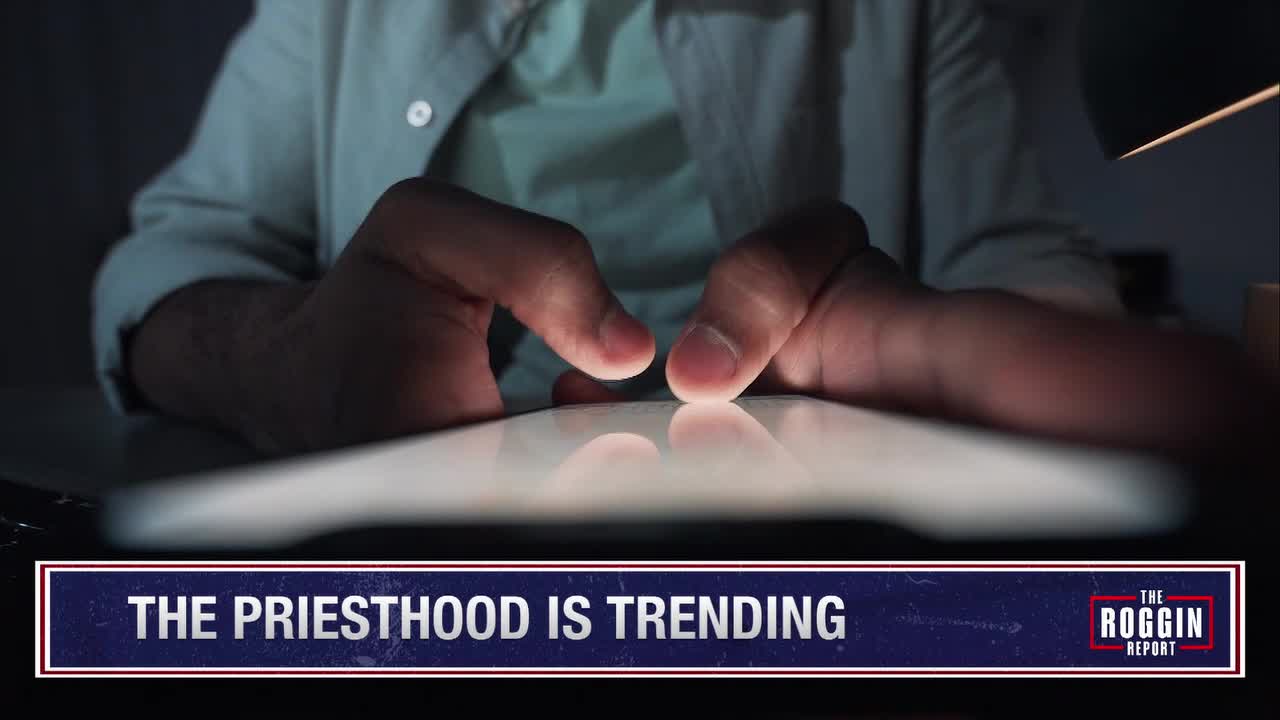
The hallowed halls of seminaries and the quiet contemplation of religious life are increasingly intersecting with the fast-paced, image-driven world of social media, creating a surprising phenomenon: a potential surge in interest in the priesthood among Generation Z. While traditional avenues for vocations have seen decline, platforms like TikTok, Instagram, and YouTube are offering a new, and perhaps unexpectedly effective, pathway for reaching young people considering a life dedicated to religious service. This emerging trend raises questions about the influence of social media on spiritual discernment, the changing face of religious recruitment, and the potential for both genuine vocations and fleeting, influencer-driven interest.
The decline in religious affiliation among younger generations has been well-documented, leaving many religious institutions struggling to connect with potential recruits. Traditional methods, such as parish outreach and vocation fairs, have seen diminishing returns. Yet, the rise of “priestfluencers” – priests and religious figures who actively engage on social media – offers a glimpse of a new approach. These individuals use platforms like TikTok to create short, engaging videos that demystify religious life, showcasing the everyday joys and challenges of the priesthood. They share snippets of homilies, glimpses into their prayer lives, and even humorous anecdotes about their experiences, making religious life relatable and accessible to a generation accustomed to consuming information in bite-sized pieces. This direct, personal connection seems to resonate with Gen Z, who are accustomed to seeking authenticity and connection online.
Beyond individual priestfluencers, religious orders and dioceses are also harnessing the power of social media. They are creating dedicated accounts showcasing the vibrant community life, charitable works, and intellectual pursuits within their institutions. These curated digital presences aim to paint a more nuanced picture of religious life, challenging stereotypes and highlighting the diverse roles priests and religious individuals play in society. By leveraging visually-driven platforms like Instagram, they are able to showcase the beauty of religious rituals, the tranquility of monastic settings, and the camaraderie among those who have chosen this path. This approach is particularly effective in reaching Gen Z, a generation known for its visual literacy and preference for image-based communication.
However, the rise of social media in religious recruitment raises important considerations. Critics argue that the curated, highlight-reel nature of social media can present an idealized, perhaps even unrealistic, portrayal of religious life. The pressures and sacrifices inherent in a life of service may be glossed over in favor of aesthetically pleasing content, potentially misleading those considering this path. Furthermore, the fast-paced, attention-grabbing nature of social media can be at odds with the contemplative, introspective discernment process traditionally associated with religious vocations. The fear is that superficial engagement with religious content online may not translate into genuine, long-term commitment to a life of service.
Another concern revolves around the potential for parasocial relationships between priestfluencers and their online followers. The perceived intimacy fostered by social media interaction can blur the lines between genuine spiritual guidance and an influencer-follower dynamic. This can be particularly problematic in the context of religious discernment, where individualized guidance and mentorship are crucial. While social media can serve as a valuable introductory point, it is crucial that it doesn’t replace in-person interaction and guidance from experienced spiritual directors. Discernment requires deep self-reflection and honest conversations about one’s motivations and suitability for religious life, a process that extends beyond the curated world of social media.
Despite these challenges, the impact of social media on religious vocations cannot be ignored. For a generation disillusioned with traditional institutions and increasingly reliant on digital platforms for information and connection, social media offers a new avenue for exploring spirituality and considering a life dedicated to religious service. As religious institutions continue to navigate this new landscape, it will be crucial to strike a balance between leveraging the power of social media for outreach and ensuring that the process of discernment remains grounded in genuine spiritual exploration, not simply fleeting online trends. The future of religious vocations may well depend on how effectively this balance is struck, and whether the current uptick in interest translates into a sustained commitment to a life of service. Only time will tell whether this digital age phenomenon will truly reverse the decline in religious vocations or prove to be a fleeting trend in the ever-evolving landscape of social media.