


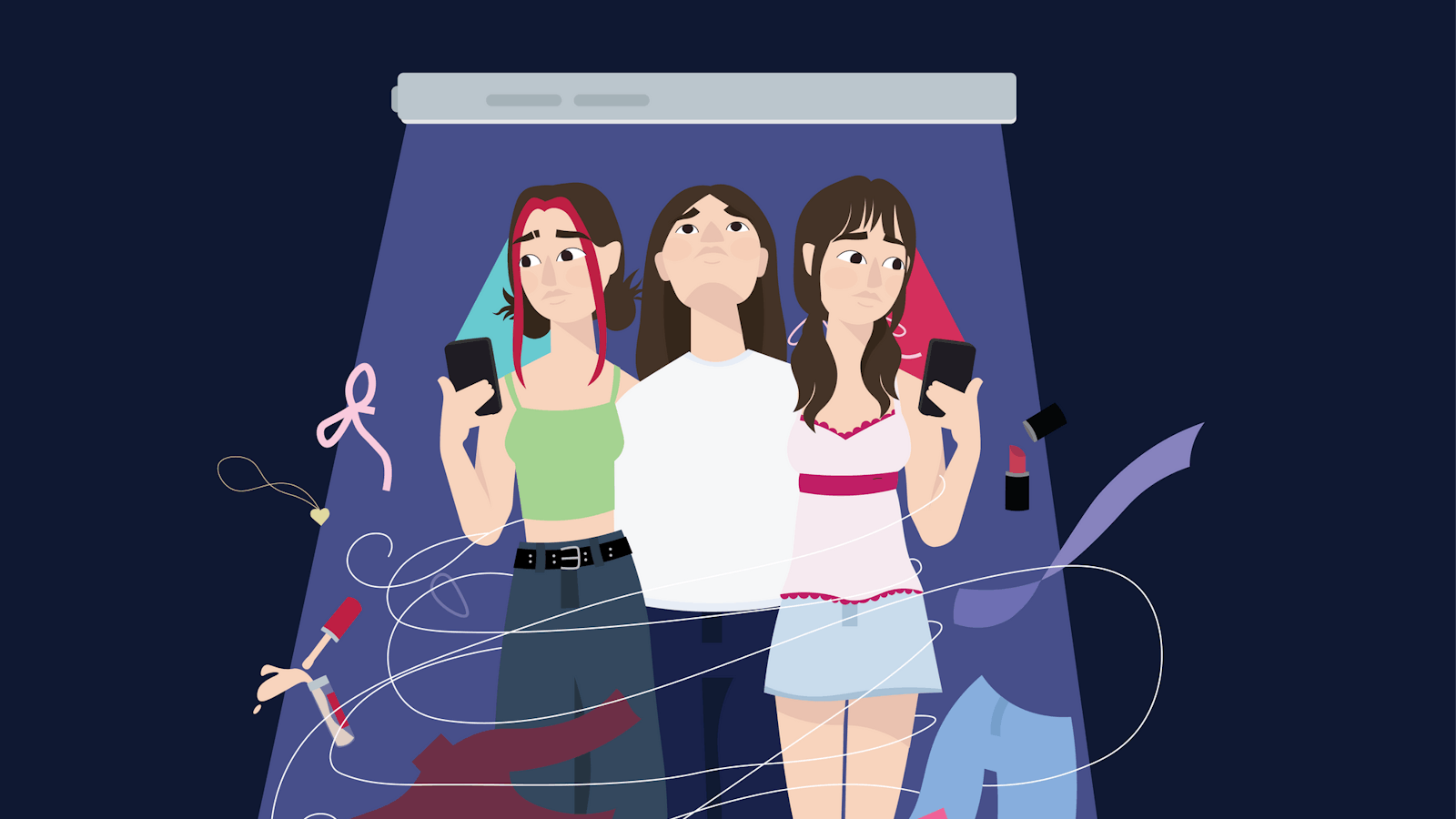
The Fleeting Reign of Fashion: How Social Media and Fast Fashion Fuel the Trend Cycle
The COVID-19 pandemic drastically altered the global landscape, impacting not only our social interactions and mindsets but also the very fabric of our wardrobes. The rise of social media platforms like TikTok, coupled with the ease of online shopping, has ushered in an era of unprecedentedly fast fashion trends, leaving consumers grappling with the implications for their wallets, their closets, and the environment.
During the isolating days of lockdown, social media platforms, and TikTok in particular, emerged as vital lifelines, connecting individuals and inadvertently shaping their consumption habits. The app’s algorithm-driven content delivery system, rewarding viral trends with increased visibility, created a breeding ground for rapidly evolving fashion fads. As Juan Mundel, an associate professor of advertising and public relations, notes, this digital ecosystem replaced traditional real-world influences, with TikTok becoming the arbiter of what was considered stylish and desirable.
The inherent nature of social media, driven by likes, shares, and follower counts, exacerbates this phenomenon. The pursuit of online validation fuels a constant race to embrace the next big thing, creating a cycle of desire and disposal. Mundel explains this phenomenon as a mimicry effect, where individuals emulate popular trends in hopes of achieving similar social approval. This constant striving for novelty, however, leads to a rapid devaluation of trends, rendering once-coveted items obsolete almost overnight.
This accelerated trend cycle has profound consequences for the fashion industry and consumer behavior. Lily Stroub, an apparel textile and design student, observes that the ephemeral nature of TikTok trends, shifting week to week, fosters a culture of "toxic" fast fashion. Students, immersed in this trend-driven environment, often succumb to peer pressure, purchasing items without considering their long-term value or personal style. This impulsive buying behavior results in overflowing closets filled with quickly discarded garments.
The repercussions extend beyond individual spending habits. The rapid turnover of trends has spurred fast fashion retailers, such as Shein, to accelerate production processes to cater to the insatiable demand for the latest styles. This pursuit of speed often comes at the expense of quality and ethical production practices. The use of cheaper materials and potentially exploitative labor practices raises concerns about the sustainability and ethical implications of this model. Consumers, on the other hand, are left with garments that quickly fall apart, necessitating frequent replacements and further contributing to the cycle of consumption.
The era of distinct, decade-defining styles appears to be a relic of the past. While previous decades boasted signature looks that could be readily identified, today’s trends lack the staying power to leave a lasting mark. The constant churn of micro-trends, fueled by social media and fast fashion, makes it challenging to pinpoint a cohesive aesthetic for the current era. Emme Davis, an elementary education freshman, notes that while specific years in the past possessed distinct sartorial identities, the current landscape is characterized by a rapid succession of fleeting fads.
While awareness of social media’s influence on consumption patterns is growing, Mundel emphasizes that no one is immune to its persuasive power. As online shopping becomes increasingly accessible and the barriers to entry for fast fashion brands continue to diminish, the trend cycle shows no signs of slowing down. The solution, Mundel suggests, lies in cultivating media literacy, equipping individuals with the critical thinking skills necessary to navigate this complex digital landscape and make more informed purchasing decisions. This involves a conscious decoupling from the relentless pursuit of trends, prioritizing personal style and sustainable consumption practices over fleeting online validation. Only through mindful engagement with social media and a critical approach to fast fashion can we hope to break free from the unsustainable cycle of consumption and reclaim control over our wardrobes and our wallets.