


The Digital Dilemma: How Social Media Is Reshaping Childhood
The digital age has ushered in unprecedented changes, impacting every facet of our lives, particularly the lives of children. The ubiquity of social media and the internet has created a generation vastly different from those that came before, raising concerns about the potential consequences of this pervasive digital influence. Observing younger relatives, members of Generation Alpha, reveals stark contrasts in behavior, preferences, and habits compared to older generations, even within Gen Z. This difference highlights the rapid pace of societal and cultural shifts driven by technology.
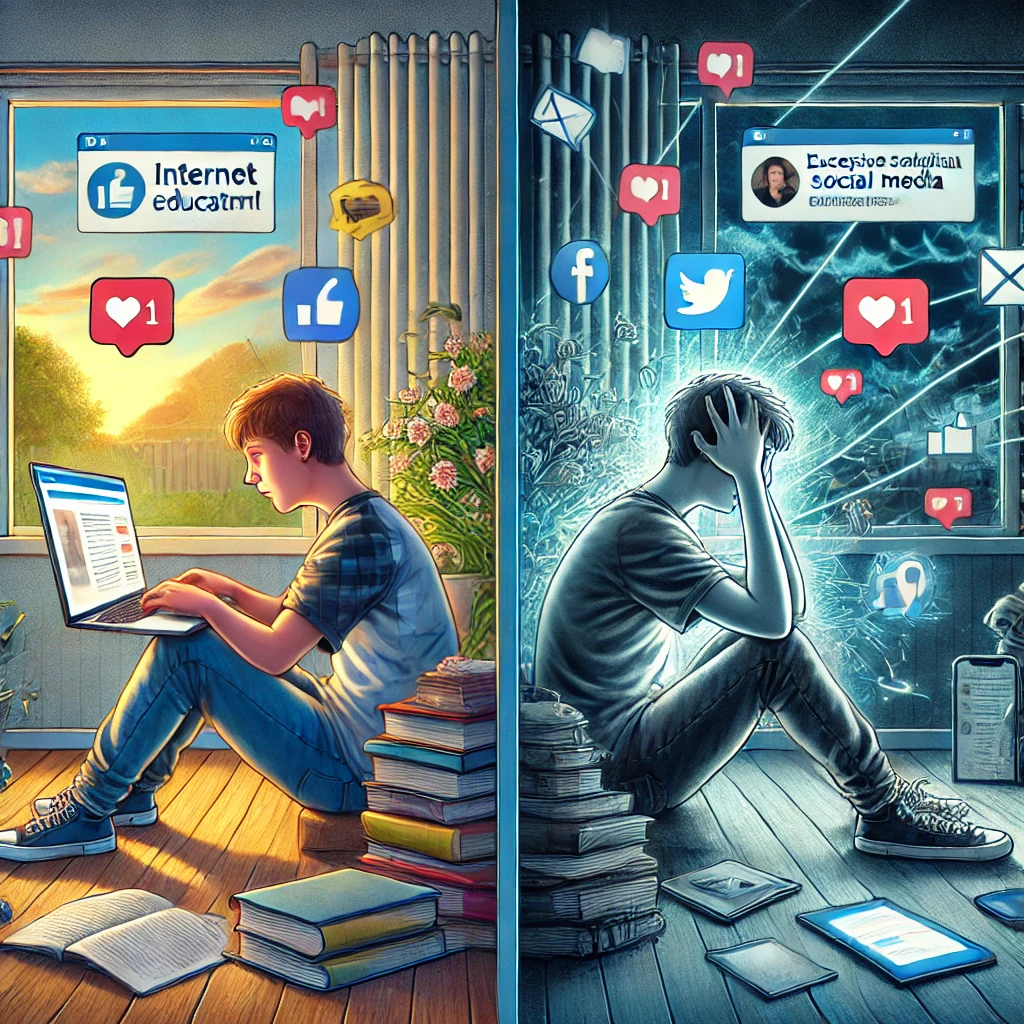
One of the most striking observations is the profound impact of the internet on young minds. The addictive nature of social media platforms, designed to maximize engagement through algorithms that cater to individual preferences, creates a feedback loop that can be difficult to escape. This constant exposure and personalized content delivery can lead to a sense of dependence, making users feel incomplete or anxious when disconnected. This dependence is not limited to children but extends across all age groups, contributing to a growing digital divide between generations.
While the internet offers undeniable benefits, its potential drawbacks, especially for children, are cause for concern. For those under 15, the risks associated with unrestricted access to social media are significant. Young children are particularly vulnerable to manipulation and exploitation due to their limited capacity for critical thinking and discerning online content. The anonymity afforded by the internet emboldens malicious actors, making children susceptible to cyberbullying, stalking, and exposure to inappropriate content. Even with parental controls, the sheer volume of low-quality and potentially harmful content available online makes it challenging to fully protect children.
The dangers of the digital world extend beyond social media. Cybercrime is a growing threat, with deepfakes, online trolls, and stalking posing significant risks to individuals of all ages. Deepfakes, digitally altered videos or images that convincingly portray someone as another person, can be used to spread misinformation and damage reputations. Online trolls, individuals who engage in abusive or disruptive behavior online, exploit the anonymity of the internet to harass and intimidate others. Stalking, facilitated by the abundance of personal information shared online, can have serious real-world consequences. The ease with which children can access violent or explicit content online is another major concern, highlighting the need for greater online safety measures.
The excessive use of the internet not only fosters addiction but also has detrimental effects on mental and physical health. Prolonged screen time contributes to sedentary lifestyles, increasing the risk of obesity and other health problems. Furthermore, the constant barrage of information and social comparisons prevalent on social media can negatively impact self-esteem and mental well-being, particularly among young people who are still developing their sense of identity. The blue light emitted from digital devices can also disrupt sleep patterns and contribute to eye strain, further exacerbating the negative health consequences of excessive internet use.
Navigating this complex digital landscape requires a balanced approach. While complete abstinence from the internet is unrealistic in today’s interconnected world, implementing stricter regulations, especially for children, is crucial. Australia’s initiative to ban social media for children under 16 is a commendable step towards protecting young people from the potential harms of online platforms. Such measures acknowledge the importance of childhood experiences free from the pressures and influences of social media, allowing children to develop essential social skills and emotional intelligence without the distractions and distortions of the digital world.
The pervasiveness of the internet requires a proactive and multifaceted approach to mitigating its risks. Educating children about online safety, promoting media literacy, and fostering critical thinking skills are essential to empowering them to navigate the digital world responsibly. Parents, educators, and policymakers must work together to create a safer online environment for children, ensuring that they can benefit from the positive aspects of the internet while being shielded from its potential harms. This collaborative effort requires ongoing dialogue, research, and adaptation to keep pace with the ever-evolving digital landscape. The goal is to strike a balance between leveraging the opportunities presented by technology and protecting the well-being of future generations.
The digital revolution has fundamentally altered the landscape of childhood. While offering access to a wealth of information and opportunities for connection, the internet also presents significant challenges. The addictive nature of social media, the prevalence of cyberbullying and harmful content, and the detrimental effects on mental and physical health necessitate careful consideration and proactive measures. Protecting children from the potential harms of the internet requires a multi-pronged approach involving education, regulation, and ongoing vigilance. By fostering responsible digital citizenship and creating a safer online environment, we can help ensure that children can navigate the digital world safely and benefit from its positive aspects without sacrificing their well-being.
The observations made regarding the differences between generations underscore the profound impact of technology on childhood development. While previous generations experienced childhood largely unplugged, children today are immersed in a digital world from a young age. This constant exposure to technology has implications for their cognitive development, social skills, and emotional well-being. Understanding these implications is crucial for parents, educators, and policymakers to make informed decisions about how to best support children in navigating this new digital landscape.
The debate surrounding social media’s impact on children is complex and multifaceted. While some argue that it offers opportunities for learning, connection, and creativity, others express concerns about its potential negative effects on mental health, self-esteem, and social skills. Research on this topic is ongoing, and it is important to consider a variety of perspectives when evaluating the role of social media in children’s lives. Finding a balance between allowing children to engage with technology and protecting them from its potential harms is a challenge that requires ongoing dialogue and collaboration.
The comparison between different generations highlights the rapid pace of technological change and its influence on societal norms and expectations. What was considered normal for one generation may seem outdated or even foreign to the next. This generational divide is particularly evident in the realm of technology, where younger generations are often more adept at using and adapting to new technologies than older generations. This difference can create both opportunities and challenges, as society grapples with the implications of rapid technological advancement.
The increasing dependence on the internet and social media raises important questions about the future of human interaction and social connection. As online interactions become increasingly prevalent, it is essential to consider the potential impact on face-to-face communication, empathy, and the development of strong interpersonal relationships. Finding ways to balance online and offline interactions is crucial for maintaining a healthy and balanced lifestyle in the digital age.
The efforts of countries like Australia to regulate social media access for children reflect a growing recognition of the potential harms of unrestricted online activity. These regulations aim to protect children from cyberbullying, harmful content, and the addictive nature of social media platforms. While there may be debates about the specifics of these regulations, they represent an important step towards creating a safer online environment for children.
In conclusion, the digital age presents both opportunities and challenges for children. While the internet and social media offer access to information, connection, and entertainment, they also pose risks to children’s mental and physical well-being. By understanding these risks and taking proactive steps to mitigate them, we can help children navigate the digital world safely and responsibly. This requires a collaborative effort from parents, educators, policymakers, and tech companies to create a safer and more supportive online environment for future generations. The goal is to empower children to be responsible digital citizens who can harness the power of technology for good while avoiding its potential pitfalls.