


The Rise of AI Slop: A Deluge of Synthetic Silliness Threatens Online Reality
In the ever-evolving digital landscape, a peculiar phenomenon has emerged, captivating and perplexing internet users in equal measure. AI slop, a term coined to describe the influx of low-quality, AI-generated video content, is rapidly proliferating across social media platforms, blurring the lines between genuine human interaction and manufactured absurdity. These videos, often depicting outlandish scenarios and featuring stilted, unnatural dialogue, are raising concerns about the spread of misinformation, the nature of online virality, and the erosion of trust in digital media.
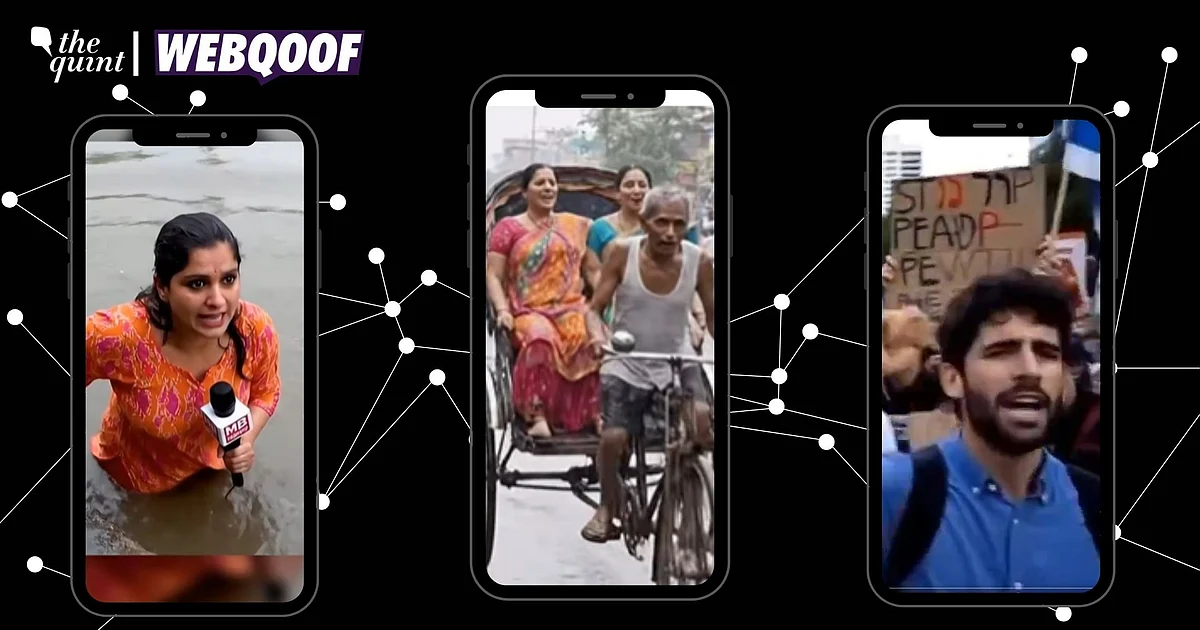
The hallmarks of AI slop are readily apparent: awkward animations, robotic voiceovers, and nonsensical narratives. Common themes include reporters inexplicably disappearing into potholes, exaggerated reactions to mundane events, and interviews conducted in bizarre, incongruous settings. While some may dismiss these clips as harmless entertainment, their sheer volume and increasing sophistication raise critical questions about the potential for manipulation and deception. The ease with which AI can now generate realistic-looking, yet entirely fabricated content, presents a serious challenge to discerning fact from fiction.
The allure of AI slop lies in its uncanny valley quality – simultaneously familiar and unsettling. The videos often mimic genuine news reports or social media interactions, creating a sense of cognitive dissonance. This disorientation can be exploited to spread misinformation, as viewers may struggle to differentiate between authentic content and AI-generated fabrications. Furthermore, the comedic nature of many AI slop videos contributes to their virality, as users share them widely for their absurdity and entertainment value. This virality, however, can inadvertently amplify the reach of misinformation, further muddying the waters of online discourse.
The motivations behind the creation and dissemination of AI slop vary. Some creators may simply be seeking online notoriety or amusement, while others may have more malicious intentions, such as spreading propaganda or manipulating public opinion. Regardless of the intent, the sheer volume of AI-generated content presents a significant challenge for social media platforms, which are struggling to effectively moderate and filter this new wave of digital detritus. Traditional methods of content moderation, designed to identify and remove harmful or inappropriate content, often struggle to keep pace with the rapid evolution of AI-generated media.
The implications of AI slop extend beyond mere entertainment. The proliferation of synthetically generated videos erodes trust in online information sources and contributes to a growing skepticism towards digital media. As the line between reality and fabrication becomes increasingly blurred, individuals may find it increasingly difficult to determine the authenticity of online content, leading to a decline in critical thinking and media literacy. This erosion of trust has far-reaching consequences, impacting not only individual perceptions but also societal discourse and political processes.
Combating the spread of AI slop requires a multifaceted approach. Social media platforms must invest in developing more sophisticated content moderation tools that can effectively identify and flag AI-generated content. Media literacy initiatives should be implemented to educate users about the characteristics of AI slop and empower them to critically evaluate online information. Furthermore, researchers and developers must continue to explore methods for detecting and mitigating the spread of synthetic media, including the development of digital watermarking techniques and other forms of content authentication. Ultimately, addressing the challenges posed by AI slop requires a collective effort from platform providers, content creators, and consumers alike to protect the integrity of online information and ensure a responsible and informed digital future.